





Are tantalum rods environmentally friendly?
May 28, 2025
Leave a message
As a supplier of tantalum rods, I often encounter questions about the environmental friendliness of our products. Tantalum is a rare and valuable metal known for its unique properties, including high corrosion resistance, excellent heat conductivity, and biocompatibility. These characteristics make tantalum rods highly sought after in various industries, such as electronics, aerospace, and medical. However, the extraction and processing of tantalum also raise concerns about their environmental impact. In this blog post, I will explore the question: Are tantalum rods environmentally friendly?

Tantalum: A Brief Overview
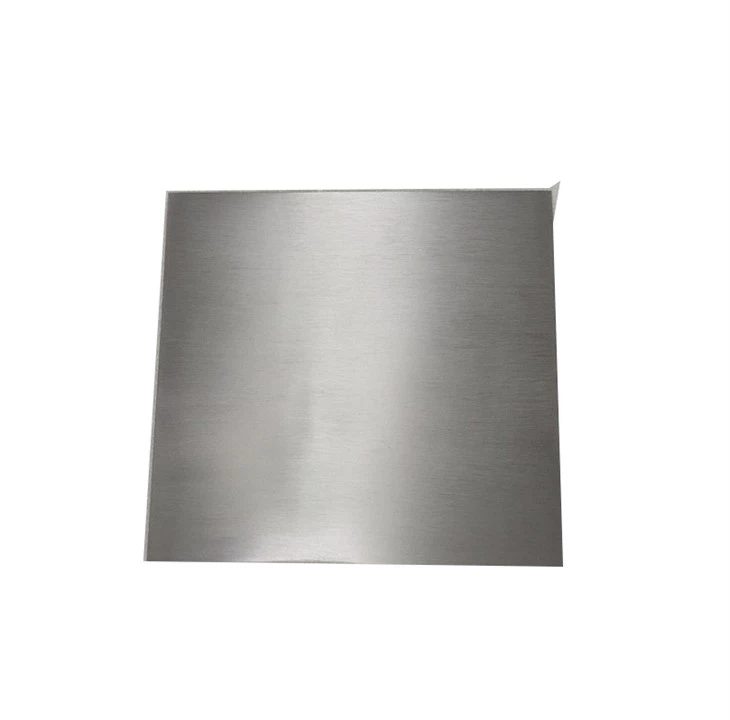
Tantalum is a chemical element with the symbol Ta and atomic number 73. It is a hard, blue-gray, lustrous metal that is highly resistant to corrosion and has a high melting point. Tantalum is found in nature in the form of tantalite, a mineral that also contains niobium. The main sources of tantalum are Australia, the Democratic Republic of the Congo (DRC), and Brazil.
Tantalum has a wide range of applications due to its unique properties. In the electronics industry, tantalum is used in the production of capacitors, which are essential components in electronic devices such as smartphones, laptops, and tablets. Tantalum capacitors are known for their high capacitance, low leakage current, and long lifespan, making them ideal for use in high-performance electronic devices.
In the aerospace industry, tantalum is used in the production of jet engine components, such as turbine blades and combustion chambers, due to its high temperature resistance and strength. Tantalum is also used in the medical industry in the production of surgical implants, such as hip and knee replacements, due to its biocompatibility and resistance to corrosion.
The Environmental Impact of Tantalum Extraction and Processing
The extraction and processing of tantalum have several environmental impacts, including deforestation, soil erosion, water pollution, and greenhouse gas emissions. The main method of tantalum extraction is open-pit mining, which involves the removal of large amounts of soil and rock to access the tantalite ore. This process can lead to deforestation, habitat destruction, and soil erosion, which can have a significant impact on the local ecosystem.
The processing of tantalum ore also requires the use of large amounts of water and energy, which can lead to water pollution and greenhouse gas emissions. The refining process involves the use of chemicals such as hydrofluoric acid and sulfuric acid, which can be toxic and harmful to the environment if not properly managed.
In addition to the environmental impacts of tantalum extraction and processing, there are also concerns about the social and human rights issues associated with the tantalum trade. The DRC is one of the largest producers of tantalum in the world, and the mining of tantalum in the DRC has been linked to armed conflict, human rights abuses, and environmental degradation.
Efforts to Improve the Environmental Sustainability of Tantalum Production
Despite the environmental and social challenges associated with tantalum production, there are several efforts underway to improve the sustainability of the tantalum supply chain. One of the key initiatives is the Responsible Minerals Initiative (RMI), which is a global effort to promote responsible sourcing of minerals, including tantalum, tin, tungsten, and gold.
The RMI has developed a set of standards and guidelines for responsible mineral sourcing, which include requirements for due diligence, traceability, and transparency. These standards are designed to ensure that minerals are sourced from mines that operate in a socially and environmentally responsible manner, and that the proceeds from the sale of these minerals are not used to fund armed conflict or human rights abuses.
In addition to the RMI, there are also several other initiatives and programs aimed at improving the environmental sustainability of tantalum production. For example, some tantalum mines are implementing measures to reduce their water consumption and energy use, and to minimize their environmental impact. Other initiatives are focused on improving the social and economic conditions of the communities where tantalum is mined, such as providing education and training opportunities, and supporting local development projects.
Are Tantalum Rods Environmentally Friendly?
So, are tantalum rods environmentally friendly? The answer is not straightforward. While the extraction and processing of tantalum have significant environmental impacts, there are also efforts underway to improve the sustainability of the tantalum supply chain. By sourcing tantalum from mines that operate in a socially and environmentally responsible manner, and by implementing measures to reduce the environmental impact of tantalum production, it is possible to produce tantalum rods that are more environmentally friendly.
In addition to the efforts to improve the sustainability of tantalum production, there are also several factors that make tantalum rods a relatively environmentally friendly choice compared to other materials. For example, tantalum is a highly durable and long-lasting material, which means that tantalum rods can be used for many years without needing to be replaced. This reduces the demand for new materials and helps to conserve natural resources.
Tantalum is also a highly recyclable material, which means that tantalum rods can be recycled at the end of their useful life. Recycling tantalum reduces the need for new tantalum extraction and processing, which helps to conserve natural resources and reduce the environmental impact of tantalum production.
Conclusion
In conclusion, the question of whether tantalum rods are environmentally friendly is a complex one. While the extraction and processing of tantalum have significant environmental impacts, there are also efforts underway to improve the sustainability of the tantalum supply chain. By sourcing tantalum from mines that operate in a socially and environmentally responsible manner, and by implementing measures to reduce the environmental impact of tantalum production, it is possible to produce tantalum rods that are more environmentally friendly.
As a supplier of tantalum rods, we are committed to promoting the responsible sourcing and production of tantalum. We work closely with our suppliers to ensure that the tantalum we use in our products is sourced from mines that operate in a socially and environmentally responsible manner. We also implement measures to reduce the environmental impact of our production processes, such as using energy-efficient equipment and recycling materials.
If you are interested in purchasing tantalum rods, we invite you to [contact us for a quote]. We would be happy to discuss your specific requirements and provide you with more information about our products and services.
References
- Responsible Minerals Initiative. (n.d.). Retrieved from [https://responsiblemineralsinitiative.org/]
- Tantalum-Niobium International Study Center. (n.d.). Retrieved from [https://www.tantalum-niobium.com/]
- United Nations Environment Programme. (2019). Global Resources Outlook 2019: Natural Resources for the Future We Want. Retrieved from [https://www.unep.org/resources/report/global-resources-outlook-2019]
Send Inquiry