What is Titanium Rod


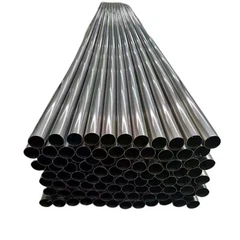
A titanium rod is made from pure titanium or alloys combining other metals, such as aluminium or vanadium. When alloyed the metal is much stronger. Titanium is an incredibly useful metal that's used by various industries, including automotive, aerospace and architecture.


Benefits of Titanium Rod


● The material strength (tensile strength/density) of titanium rod is high, and the tensile strength can reach 100~140kgf/mm2.


● It has good medium temperature strength and high service temperature. It can still maintain the required strength at medium temperature and can work for a long time at a temperature of 450~500°C.


● Good corrosion resistance, a uniform and dense oxide film is formed on the surface of titanium in the air in time, and it has the ability to control the erosion of various media. Generally, titanium has good corrosion resistance in oxidizing and neutral media, and the corrosion resistance in seawater, wet chlorine and chloride solutions is better. However, titanium has low corrosion resistance in reducing media, such as hydrochloric acid and other solutions.


● Titanium alloys with good low temperature performance and low interstitial elements, such as GR6, can maintain specific plasticity at -253°C.


● Low elastic modulus, low thermal conductivity, non-ferromagnetic.


● Titanium rod material has high hardness.


● Poor punchability and good thermoplasticity. Heat treatment of titanium alloys can obtain different phase compositions and structures by adjusting the heat treatment process. It is commonly accepted that the acicular structure has high strength, creep strength, and fracture toughness; the fine equiaxed structure has good plasticity, thermal stability, and fatigue strength; and the equiaxed and acicular mixed structure has good complete properties.


First 123 Last

Why Choose us


Quality Assurance

The company strictly adheres to the GB/T19001 and ISO: 9001 quality management system requirements for production, processing, inspection, and warehousing. The product quality is guaranteed and the after-sales service is perfect.


Experience and expertise

We have more than 15 years of experlence, can guarantee the quality of products and services.


High-quality service

We deliver high-quality service, ensuring that our clients receive value for their investment.


What Are The Types Of Titanium Rod


According to the composition of alloy elements:
● Pure titanium rod: With a titanium content of over 99.9%, it is the most basic type of titanium rod.
● Ti-6Al-4V titanium alloy rod: A commonly used α Titanium alloy, with excellent mechanical and welding properties, is widely used in aerospace, automotive, medical equipment and other fields.
● Ti-5Al-2.5Fe titanium alloy rod: A near α Titanium alloy, with good plasticity and high-temperature performance, is mainly used for manufacturing parts that work at moderate temperatures.
● Ti-10V-2Fe-3Al titanium alloy rod: A type α+β Titanium alloy, with excellent welding performance and corrosion resistance, is suitable for manufacturing parts that work in corrosive environments.


Classified by purpose
● Titanium alloy rods for aviation: Used to manufacture structural components and engine components for aircraft and rockets.
● Industrial titanium alloy rods: Used in the manufacturing of chemical equipment, medical devices, automotive components, and other fields.
● Titanium alloy bars for construction: Used in building structures, door and window frames, etc.


According to the heat treatment status
● Annealed titanium alloy rod: Has good plasticity and lower strength.
● Reinforced titanium alloy rod: Improves strength and hardness through heat treatment.
● Ultra strong titanium alloy rod: With the highest strength and hardness, used in situations that require high strength and stiffness.
The above are some common types of titanium alloy rods, and in fact, there are many other types of titanium alloys, each with its specific application scenarios and performance characteristics.


Top 6 Uses of Titanium Rods
 

Titanium for Everyday Life
Believe it or not, we are surrounded by titanium. Titanium dioxides that are found in pigments are used to enhance brightness and opacity. Whether it be a titanium plate or a titanium rod, the metal is used in cosmetics, food products, plastics, paper and ink.
To make the metal stronger and more hardwearing, titanium can be alloyed. By mixing titanium with other elements, alloys can improve strength and resistance and guarantee light weight, making them easier for you to work with.


Titanium for Aerospace
As titanium suppliers, we provides a complete range of products, ranging from the titanium rods to the titanium bars. The transition metal is found extensively within the structure and skin of the aircraft, and it's said that 2/3s of all titanium is used for aircraft engines and frames.
When the aircraft generates high speeds, aerodynamic friction is created and the titanium bars and rods are capable of withstanding the impact.


Titanium for Medical
When compared to other metals, titanium is biocompatible. The human body can handle titanium in large doses, hence why the titanium rod is popular amongst the medical industry!
Did you know that we ingest 0.8mg of titanium, each day, without even realising? Most of it passes through the body without being absorbed and because it has a similar density to human bones, it can readily be adhered to.
We supply the titanium rod to suit the requirements of the medical industry, offering suitability for surgical and dental implants, pacemakers and crutches.

Gr5 Titanium Rod 8mm 10mm Round Titanium Alloy Bar


Titanium Rod Ends

Titanium for Jewellery Making
We provide the titanium rods in an assortment of sizes, essentially accommodating your specific needs and wants. Due to the metal being durable and dent resistant, titanium rings and bands are overtaking their gold and silver counterparts.
In addition to rings, the titanium rods can be used to create eyeglass frames- making eyewear more sturdy and sophisticated, as well as offering longevity and reliability.


Titanium for Art and Cookware
Using superior technology, the titanium that we supply provides a modern image and when it's heated, it creates beautiful colours, making it a popular material for arts and cookware.
Famously, titanium rods have been used for structural repairs and stabilisation of the Leaning Tower of Pisa!


Titanium for Sport
There are countless advantageous properties of titanium, one of the main ones being its high strength to weight ratio which makes it ideal for an array of sporting applications.
Any titanium provided by titanium suppliers is up to standard and manufactured to the highest-quality, so you needn't worry about finding metal that suits your exact needs and wants. Titanium is a core material that's found within various sporting tools and equipment, some of which may take you by surprise!
The world's lightest bicycle is made from titanium, weighing in at just 6lbs! Other uses of the titanium rod in the sporting industry include the manufacture of golf clubs, tennis rackets, cricket bats, hockey sticks and racing cars.
Our titanium provides natural resistance to corrosion and erosion and is ideal for safety equipment to maximise strength without increasing weight.


Tips for identifying high quality titanium rods


● The appearance of fake titanium rod often has a pockmarked surface.
The pockmarked surface is due to the severe wear of the groove leading to the irregular appearance of titanium.


● Simple scraping of fake and inferior titanium rod is caused by simple equipment of fake and inferior titanium rod manufacturers, which are prone to burr and scratch the appearance of titanium materials. Deep scratching reduces the strength of titanium.


● The transverse bars of fake and inferior titanium rods are thin and low, which often present the appearance of dissatisfaction. The reason is that in order to reach the large negative service, the pressure of the first few passages of the product is large, the iron type is small, and the pass type is not satisfied.


● Fake titanium rods are easy to fold.
Folding is a variety of broken lines formed by the outer surface of the titanium rod, which often runs through the longitudinal length of the product. The reason for folding is that fake and inferior manufacturers seek high efficiency, the amount of pressure is too large, the ear occurs, and the folding occurs when the next rolling, and the folded product will crack after bending, and the strength of titanium material is greatly reduced.


● The appearance of fake titanium rod is prone to scarring.
There are two reasons: (1) Raw materials of fake and inferior titanium rod are not uniform and there are many impurities. (2) The guide equipment of fake and inferior material manufacturers is simple, and the impurities are easy to scar after biting the roll.


● The appearance of fake and inferior materials is prone to crack, because its billet is adobe, adobe has many air holes, adobe in the process of cooling because of the effect of thermal stress, cracks occur, after rolling cracks.


● Fake titanium rod without metal luster, is light red or similar to the color of cast iron, its blank is adobe. The rolling temperature of fake and inferior materials is not standard, and their titanium temperature is visually measured, so that it cannot be rolled according to the regular austenitic area, and the function of titanium naturally cannot be qualified.


● The cross section of fake and inferior titanium rod is oval, the reason is that the manufacturer in order to save data, the product roller before the two pressure is large, the strength of the thread titanium is greatly reduced, and does not conform to the specification of the shape size of the thread titanium.


Round Titanium Rod

Clean And Maintain The Surface Of Titanium Rod


(1) The shape of the pipe produced by the kneading method can be very messy, and messy section of the pipe is using the rolling method bottom can not be produced.

(2) Kneading method has great flexibility, only need to replace things can produce different shapes and sizes of pipe, especially suitable for small batch of special data processing.

(3) In the process of kneading, the metal is under the stress state of three-way compression, and the metal can develop the maximum plasticity, and can also eliminate the slight defects inside the tube billet, and can even use centrifugal casting titanium rod billet and continuous casting billet.

(4) Compared with the rolling method, kneading cannot achieve continuous production, with low yield rate, low yield rate, high cost of production, and high kneading temperature, which makes it difficult to control the pipe surface quality and scale accuracy.

(5) In view of the above situation, the number of tubes produced by kneading method is very small, and it is mainly used for the production of various kinds of titanium rods with high alloy, low plasticity and difficult deformation, such as alloy titanium rods and special alloy titanium rods, and even metal ceramics, hard alloy, powder and bimetal composite tubes.


Production Of Titanium Rod In The Process Of Alloying


The operation of adjusting the composition of titanium alloy in the process of making titanium rod is called alloying. In a modern electric furnace, titanium rod alloying is usually finished in the titanium bag during the process of producing titanium, while the alloying in the titanium bag is pre-alloyed, and the accurate adjustment of alloy composition is finished in the furnace. Alloying operation mainly refers to the time and quantity of alloy participation.

Alloy participation time. The general principle of metallurgical engineering participation in ferroalloy is elements with a high melting point and not easy to oxidize can be added early. Low melting point, easy to oxidize late participation, such as iron boron to participate in the titanium package in the titanium process, the recovery rate is only about 50%.

Number of participants. The chemical composition of metallurgical engineering has a great influence on the quality and function of titanium. The alloy participation amount can be calculated quickly and accurately on site according to the type of titanium rod, liquid amount of titanium in the furnace, composition in the furnace, alloy composition, and alloy yield.


Our Factory


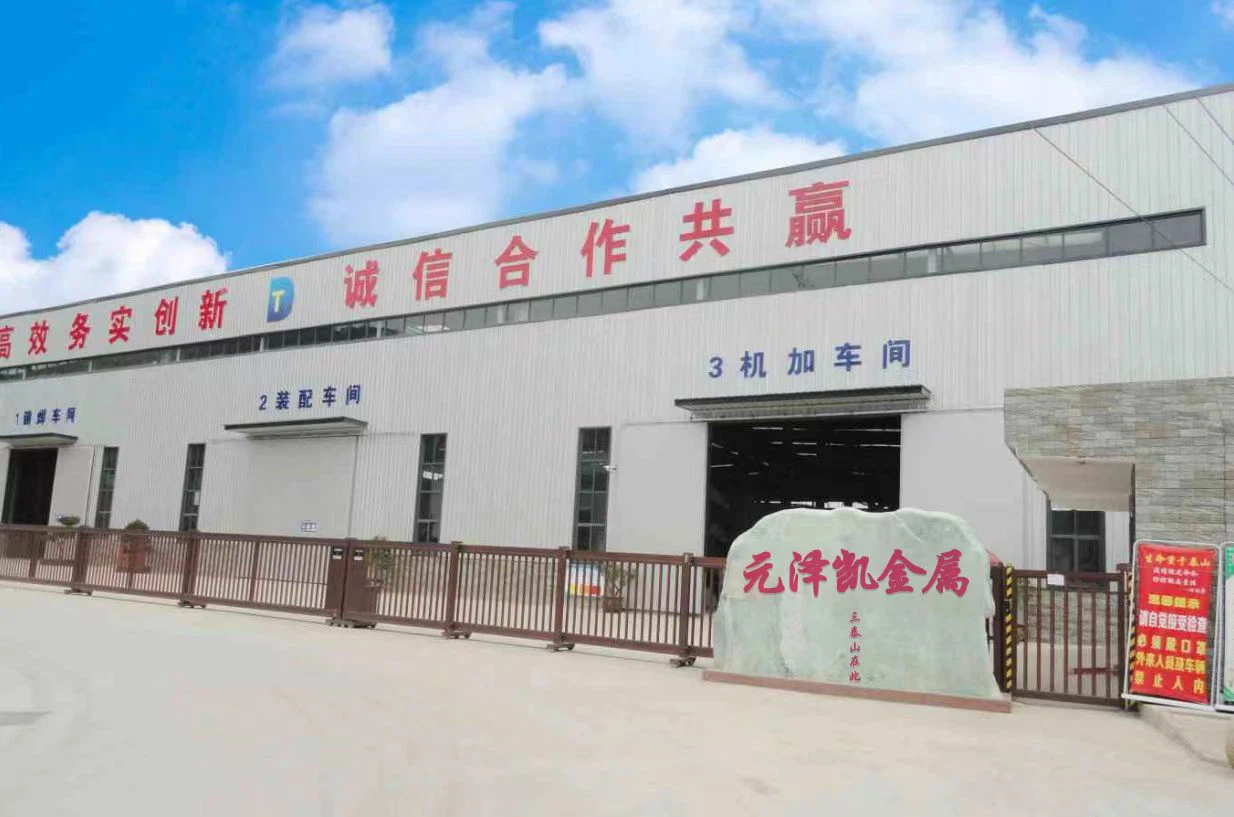
Shaanxi Yuanzekai Metal Technology has been focusing on the production and sales of high-quality titanium materials, processed products, and equipment in Baoji, China for more than 10 years. We were a small company before, but now we have become one of the leading suppliers in China's titanium industry.


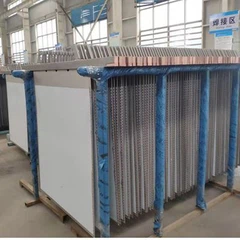
Nowadays, Shaanxi Yuanzekai Metal Technology has become one of the top manufacturers of high-quality titanium materials, products, and equipment. Such as: titanium plates, titanium rods, titanium tubes, titanium wires, titanium flanges, titanium fittings, titanium machined parts, reaction vessels, heat exchangers, etc.


Shaanxi Yuanzekai Metal Technology Co., Ltd. is located in Wenquan Village Industrial Park, High tech Zone, Baoji City, known as the "Titanium Valley". We are a comprehensive enterprise specializing in the processing, production, research and development, and services of rare metals such as titanium, nickel, tungsten, molybdenum, and zirconium. Our clients are spread all over the world.


productcate-1-1


Our Certificate


The company strictly adheres to the GB/T19001 and ISO: 9001 quality management system requirements for production, processing, inspection, and warehousing. The product quality is guaranteed and the after-sales service is perfect.


productcate-1-1


Asked Questions


Q: How long do titanium rods last in the body?

A: When titanium cages, rods, plates and pins are inserted into the body, they can last for upwards of 20 years.

Q: Can your body reject titanium rods?

A: Titanium has also been reported as an allergen in a few studies, causing type I or type IV hypersensitivity reactions . Patients can present with atopic dermatitis, pruritus, edema, urticaria, impaired healing fractures, pain, and necrosis of implants .

Q: What are the side effects of titanium rods?

A: There have been reports of hypersensitive reactions such as erythema, urticaria, eczema, swelling, pain, necrosis, and bone loss due to titanium dental implants .

Q: Should I have my titanium rod removed?

A: Is it necessary to remove rods and nails after treatment? Once the bone has fully healed, the rod/nail no longer serves a purpose and may be removed. This is typically done a year after the original surgery and can be an outpatient procedure (i.e., the patient does not stay in the hospital overnight after surgery).

Q: Can you be allergic to titanium rods in your back?

A: Spinal titanium implant hypersensitivity is an extremely uncommon condition that can lead to a prolonged recovery period without specific symptoms or clinical signs.

Q: Can you have an MRI if you have titanium rods?

A: Titanium is a paramagnetic material that is not affected by the magnetic field of MRI. The risk of implant-based complications is very low, and MRI can be safely used in patients with implants. The titanium plates used in the craniofacial area, however, are made of alloys.

Q: How long does a titanium rod last?

A: One advantage of titanium is its ability to attach to bone and grow into the implant as it heals (a process known as osseointegration). The material is also known for its durability so that the implant can last for years — or even permanently.

Q: How long is the life span of titanium implants?

A: Dental implants are designed to be a long-term solution for missing teeth. With proper care, most dental implants can last up to 20 years with studies showing that they may last even longer.

Q: Does a titanium rod make your legs stronger?

A: Rods can even help prevent fractures in damaged or diseased bones. But there's another benefit that people recovering from broken bones often love most — added strength to the bone. Since an IM rod is made from titanium, a material as strong as steel, it can help your bone support your body weight.

Q: Is it necessary to remove a titanium rod from a leg?

A: Intramedullary rods , pins, and other implants do not help bones to heal faster. They do help to hold things in place while the body heals, and they are typically meant to stay in the body forever. There are cases, though, when removing metal plates and screws, or other implants, may be necessary.

Q: What is titanium rod

A: A titanium rod is made from pure titanium or alloys combining other metals, such as aluminium or vanadium. When alloyed the metal is much stronger. Titanium is an incredibly useful metal that's used by various industries, including automotive, aerospace and architecture.

Q: Is a titanium rod better than a steel rod?

A: It has become increasingly popular in the aerospace and medical industries due to its properties. Titanium rods are often used in construction, particularly in applications where weight is a concern. Traditional metal rods, on the other hand, are usually made of steel or iron.

Q: Are titanium rods good?

A: Titanium is an incredibly stable material to work with and another benefit found is that the set-up with Titanium rod is one and done. Unlike aluminum, Titanium will not grow so there is never a difference from the first bang to the last. Titanium for the win!

Q: How long does titanium rod last?

A: One advantage of titanium is its ability to attach to bone and grow into the implant as it heals (a process known as osseointegration). The material is also known for its durability so that the implant can last for years — or even permanently.

Q: Why use titanium instead of steel?

A: In applications requiring light weight, corrosion resistance, biocompatibility, and high-temperature resistance, titanium can be a better choice than steel. This makes titanium ideal for use in aerospace, medical devices, chemical processing, marine, and high-temperature industrial applications.

Q: Do titanium rods rust?

A: Being more resistant to rust and corrosion than other metals and metal alloys, common titanium used today has the appearance of not rusting or corroding and is more durable and longer-lasting than other metals.

Q: What is so special about titanium?

A: Titanium is two times stronger than aluminum and 45% lighter than steel with comparable strength. Resistance to corrosion: Titanium's natural resistance to corrosion allows for applications in harsh environments, including under seawater.

Q: What are titanium rod used for?

A: A hard, shiny and strong metal, the uses of titanium are extensive. Look closely enough and you'll find that this refractory metal – particularly titanium bars – is used to produce clasps and fasteners for intricate pieces of jewellery as well as welding applications and medical and surgical equipment.

We're professional titanium rod manufacturers and suppliers in China, specialized in providing high quality customized service. We warmly welcome you to buy titanium rod for sale here from our factory. For price consultation, contact us.

best quality titanium rod, hexagonal titanium rod, surgical implant titanium rod

Send Inquiry