What is Titanium Plate


Titanium plate is a highly versatile metal used in a range of industries. Its biocompatibility means that it is less likely to be rejected by the human body than some other materials – making it ideal for medical implants and surgical instruments.


Benefits of Titanium Plate


Strength and Low Price
Titanium plates have the properties of low density, high strength, temperature resistance, and corrosion resistance.
When the titanium is coated in the steel plate, it will resist corrosion caused by extremely high or extremely low temperatures. Moreover, the titanium composite steel plate can save titanium resources and is cost-effective for industrial use.


Easy to Produce
Extrusion molding can be produced in a processing plant or assembled on the site while producing, which is beneficial to shorten the construction period.


Wide Range of Applications
Titanium plates are widely used in aerospace, metallurgy, chemical, aviation, electric power and other sectors.
The corrosion-resistant titanium and high strength steel, when cladded together, make up an ideal formula for good thermal conductivity to overcome thermal stress, thermal fatigue resistance as well as pressure difference. Under this kind of demanding conditions, bear other loads.


Low Maintenance
The maintenance cost of the titanium plate is low, because the surface passivation treatment layer of the titanium plate is integrated with the plate, and it is not easy to fall off or loose. The continuously formed passivation treatment protective layer keeps the surface smooth for a long time, which is particularly effective in wind and snow. The surface can also be self-washed by sewage erosion.


Long Service Life
As time changes, the surface layer of the titanium plate exposed to the air will gradually form a high-density and strong zinc carbonate anti-rust layer. There is no rust on the surface, and there may be scratches and defects that gradually disappear due to this change. Therefore, the titanium plate can be used in areas with poor air conditions.


Variety of Colors
In addition to the primary colors of metal materials, the color of the control plate can also be resolved into gray-blue, black, dark green, etc.


First 123 Last

Why Choose us


Quality Assurance

The company strictly adheres to the GB/T19001 and ISO: 9001 quality management system requirements for production, processing, inspection, and warehousing. The product quality is guaranteed and the after-sales service is perfect.


Experience and expertise

We have more than 15 years of experlence, can guarantee the quality of products and services.


High-quality service

We deliver high-quality service, ensuring that our clients receive value for their investment.


The Applications of the Titanium Plate


Aerospace
Titanium sheets are a highly recommended option for those involved in the construction of ships, aircraft, or cars.
This versatile material is extensively employed in the production of components such as aircraft wings, blades, fuselages, and turbine disks.
The aerospace industry specifically relies on titanium sheets due to their exceptional capacity to withstand elevated temperatures and pressures.


Marine
Titanium plates are widely utilized in the marine industry due to their exceptional properties. It is the material of choice for constructing ships, submarines, and various watercraft.
The durability and flexibility of titanium make it an ideal option for manufacturing these components that require reliable protection. Thus, it comes as no surprise that titanium remains popular in the marine industry!


Medical
Titanium is a biocompatible metal that can be safely administered in high doses with minimal effects on the human body. While it is ingested regularly, it is not always absorbed. In the medical field, titanium plates are utilized because of their resemblance to bone density.
Titanium is a versatile metal that finds application in joint replacements, including hip and knee replacements. In addition to its use in surgical implants, titanium plates are also commonly utilized in dental implant procedures.


Sporting equipment
Titanium plates have a multitude of applications, including in sports equipment. A prime example is the use of titanium plates in golf club heads/drivers. The lightweight nature of these boards enables golfers, regardless of skill level, to effortlessly strike the ball, leading to enhanced performance across the board.
Titanium plates are a highly durable and wear-resistant metal that can withstand even the harshest impacts. Investing in titanium plates will ensure that your equipment maintains its quality for an extended period.


Titanium Plate Grades
 
01/

Titanium Grade 1 — As the softest, most ductile commercially pure titanium grade, this is particularly easy to work with thanks to its excellent formability. Its high corrosion resistance makes it especially well-suited to marine and chemical processing applications. Grade 1 titanium is also able to withstand high-impact environments.

02/

Titanium Grade 2— The most widely available and versatile pure grade, this type of titanium is slightly stronger than Grade 1 and is often used in medical and architectural applications, as it can be easily formed and welded.

03/

Titanium Grade 3 — While less formable than Grades 1 and 2, commercially pure Grade 3 has higher strength and Grade 3 is used less frequently than Grades 1 and 2 but is ideal for applications requiring moderate strength and high corrosion resistance, such as medical and aerospace projects.

04/

Titanium Grade 4 — The strongest of the commercially pure, unalloyed grades, this material is also highly formable and weldable, as well as corrosion resistant. It’s commonly used in industries that require high strength, such as aerospace and medical.

05/

Titanium Grade 5 — Also referred to as Ti6Al4V, Ti-6Al-4V, & or & Ti 6-4, this is the most popular titanium plate, accounting for half of all titanium use worldwide. Aside from titanium, Grade 5 composed of aluminum, vanadium, iron, and oxygen. High-strength but lightweight, this alloy has good formability, superior toughness, and high corrosion and creep resistance. Extremely versatile, Grade 5 is used for a wide range of applications, from aerospace fasteners to sports equipment.

06/

Titanium Plate Grade 9—This grade, also referred to as Titanium 3Al-2.5V, is exceptionally resistant to corrosion. While not as strong as Grade 5, this material is still useful in aerospace and industrial applications given its light weight and greater resistance to high temperatures.


ASTM B265 钛板


Decorative Polishing Process On Pure Titanium Plate

(1) Buffing
Polish pure titanium by attaching a polishing buff to the disc linder.
It is best to polish carefully by adjusting the number of revolutions and time so that the titanium does not heat up.
Polish pure titanium by attaching a polishing buff to the disc linder.


(2) Hairline processing
It is best to use sandpaper sold at a home improvement store to polish the surface in a straight line.
Caution: Shavings may ignite.
Do not vacuum the shavings, but collect them with a broom and dispose of them so that there is no single piece of titanium powder.
If you are concerned, you can sprinkle it with sand.
The reason for not vacuuming is to prevent ignition by static electricity.


(3) Vibratory polishing process
It is recommended to use a double-action sander with sandpaper or non-woven cloth sold at a home improvement center.
Caution: Shavings may ignite.
Do not vacuum the shavings, but collect them with a broom and dispose of them so that there is no single piece of titanium powder.
If you are concerned, you can sprinkle it with sand.
The reason for not vacuuming is to prevent ignition by static electricity.


A Guide to Choosing the Best Titanium Grade 5 Plates for Your Project


Determine the Size and Thickness
Choosing the size and thickness of your Grade 5 titanium plate depends on your specific project requirements. Larger plates are typically more expensive and challenging to handle. So, it’s crucial to consider your project’s dimensions before selecting the plate’s size. Thickness selection, on the other hand, depends on the stress on the plate. For instance, a thicker titanium grade 5 plate would be appropriate if the plate is used in high-stress applications. Thickness selection also depends on the machining process. Thinner plates are easier to drill, cut, and form into smaller parts, while thicker plates may require specialized cutting equipment.


Check the Specifications
When choosing the best Grade 5 titanium plate for your project, it’s imperative to check its specifications. Typically, ASTM specifications cover the standard requirements for titanium plates. If you are using the plate for aerospace or marine applications, aerospace material specifications (AMS) are commonly used. The AMS standards have stricter requirements and are more specific, ensuring that the plate you select meets the high standards for these industries.


Evaluate the Application
The successful selection of titanium Grade 5 plates depends on the intended application. For instance, if your project involves high-temperature applications, it’s advisable to select Grade 5 Titanium alloy with higher thermal stability to withstand the high temperatures. A high-quality plate with tight dimensional tolerances can help achieve the required accuracy if the intended application requires excellent precision.


Determine the Quantity Required
When selecting Grade 5 titanium plates, you must determine the required quantity for your project. The cost per plate decreases as the quantity increases. Therefore, consider buying the plates in bulk for the most cost-effective prices. Buying in bulk also ensures you have enough material to complete your project without delays.


Choose a Reliable Supplier
Lastly, the quality and reliability of the supplier are crucial when selecting Grade 5 titanium plates. Ensure you choose a trusted and reputable supplier with an excellent track record of delivering high-quality titanium plates. A reliable supplier should offer a range of grades, sizes, and thicknesses at competitive prices. They should also be reliable in delivery times, provide excellent customer service, and address any concerns regarding the product.


How Do I Care For And Maintain My Titanium Plates?

To ensure the longevity and performance of titanium plates, proper maintenance and care is essential. An important aspect of maintenance is regular cleaning. Titanium plates accumulate dirt, dust and other contaminants over time, which can affect their appearance and performance. It is recommended that titanium plates be cleaned with a mild soap or detergent and warm water. Avoid using abrasive cleaners or scouring pads as they can scratch the surface of the titanium plate. After cleaning, rinse the titanium plate thoroughly with water and then dry it with a soft cloth to prevent water damage.

Another important aspect of maintenance is to avoid exposure to chemicals that can damage titanium panels. Although titanium is highly resistant to corrosion, certain chemicals, such as strong acids and bases, can still cause damage. It is important to avoid exposing titanium plates to these chemicals as they can cause pitting or corrosion on the surface. If contact with these chemicals is unavoidable, it is recommended that the titanium plate is rinsed immediately with plenty of water to minimise potential damage.

In addition, care must be taken when handling titanium plates to prevent any physical damage. Although titanium is a strong material, it can still scratch or dent if not handled properly. When transporting or storing titanium plates, avoid dropping or hitting them on hard surfaces and use protective covers or pads. Also, avoid using sharp or abrasive tools on titanium plates as they can cause scratches or dents.

Titanium sheet is a versatile and durable material with excellent strength-to-weight ratio, corrosion resistance and biocompatibility. It is commonly used in various industries such as aerospace, automotive and medical. To ensure the longevity and performance of titanium sheet, proper maintenance and care is essential. This includes regular cleaning, avoiding exposure to chemicals that can damage titanium sheet, and careful handling to prevent physical damage. By following these maintenance and care tips, titanium sheets will continue to perform excellently and effectively for their intended purpose.

Gr7 钛板


Our Factory


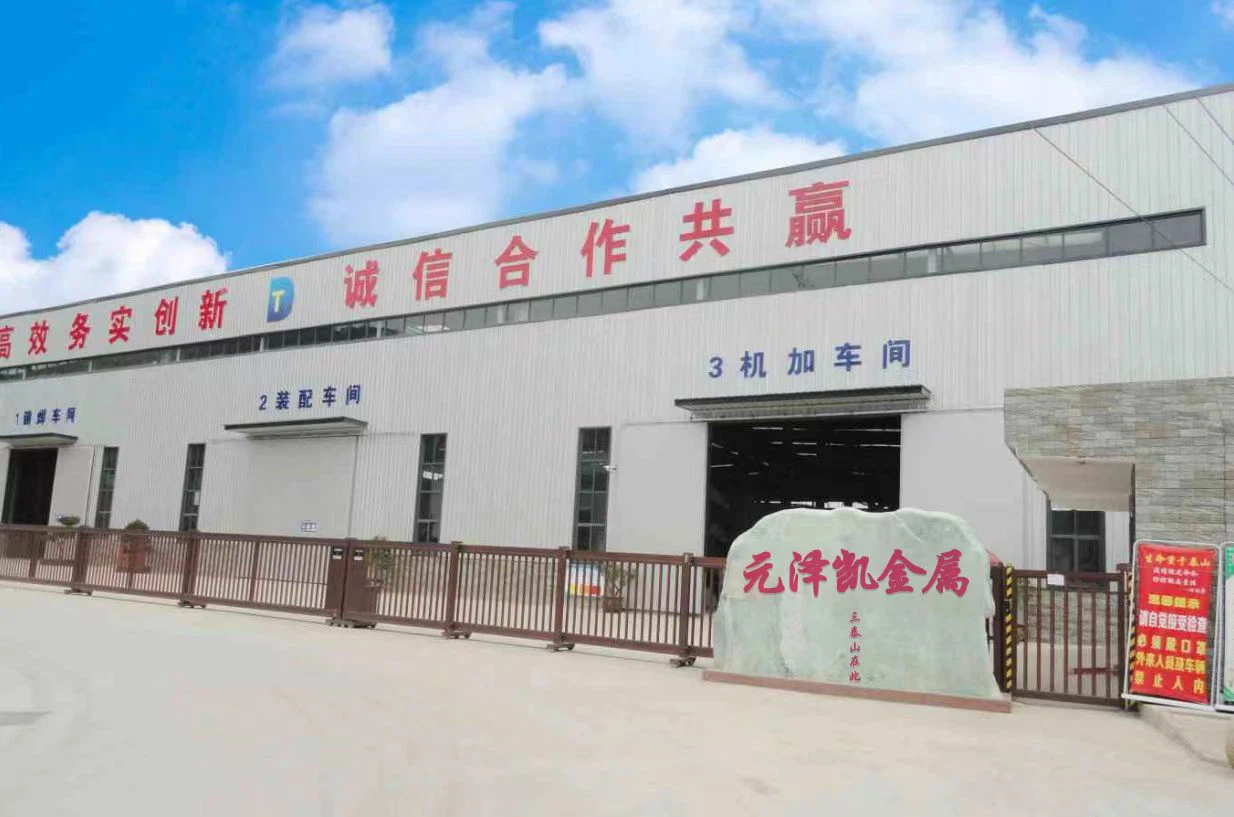
Shaanxi Yuanzekai Metal Technology has been focusing on the production and sales of high-quality titanium materials, processed products, and equipment in Baoji, China for more than 10 years. We were a small company before, but now we have become one of the leading suppliers in China's titanium industry.


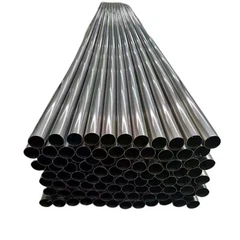
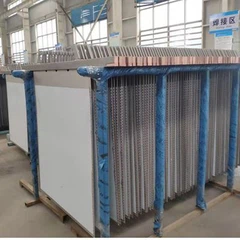
Nowadays, Shaanxi Yuanzekai Metal Technology has become one of the top manufacturers of high-quality titanium materials, products, and equipment. Such as: titanium plates, titanium rods, titanium tubes, titanium wires, titanium flanges, titanium fittings, titanium machined parts, reaction vessels, heat exchangers, etc.


Shaanxi Yuanzekai Metal Technology Co., Ltd. is located in Wenquan Village Industrial Park, High tech Zone, Baoji City, known as the "Titanium Valley". We are a comprehensive enterprise specializing in the processing, production, research and development, and services of rare metals such as titanium, nickel, tungsten, molybdenum, and zirconium. Our clients are spread all over the world.


productcate-1-1


Our Certificate


The company strictly adheres to the GB/T19001 and ISO: 9001 quality management system requirements for production, processing, inspection, and warehousing. The product quality is guaranteed and the after-sales service is perfect.


productcate-1-1


Asked Questions


Q: How long can titanium plates stay in your body?

A: Titanium is also incredibly durable and long-lasting. When titanium cages, rods, plates and pins are inserted into the body, they can last for upwards of 20 years.

Q: How do you know if your body is rejecting a titanium plate?

A: The clinical presentation of patients with metal implant reactions is often nonspecific. Patients can present with localized dermatitis or rashes but also with systemic eczematous dermatitis. Swelling, pain, draining sinuses, and inflammation at the implant site may mimic infection.

Q: When should titanium plates be removed?

A: Removal of the titanium plates is indicated when there is a fracture of the plates or when they are exposed through the gums due to poor tolerance. Once exposed, the plates are susceptible to infection and must be removed.

Q: Will a titanium plate set off metal?

A: Titanium does not set off conventional metal detectors because it does not contain enough ferrous material (such as iron or nickel). However, some other factors can affect whether titanium sets off a metal detector, such as the size of the item and its proximity to other metallic objects.

Q: Can you have an MRI with a titanium plate in your body?

A: Titanium is a paramagnetic material that is not affected by the magnetic field of MRI. The risk of implant-based complications is very low, and MRI can be safely used in patients with implants. The titanium plates used in the craniofacial area, however, are made of alloys.

Q: How many years does titanium plate last?

A: Other metals and materials typically last 20 years, while titanium pipes have an average lifespan closer to 40 years.

Q: How do you take care of titanium plate?

A: Taking care of titanium is very easy though. Put your titanium jewelry in a bowl of water and mild soap for a few minutes. Then remove the jewelry and gently brush the surfaces with a soft cloth. You can also use an ultrasonic cleaner found in jewelry stores.

Q: What is the lifespan of titanium plate?

A: However, in general, titanium plate can last for several decades, if not a lifetime. One of the benefits of titanium plate is its resistance to corrosion, which means that it is less likely to rust or tarnish than other metals.

Q: How long does titanium plate last in the human body?

A: Durability: Naturally resistant to corrosion and regular wear and tear, titanium can last 20 years or longer inside the human body.

Q: Can a magnet pick up titanium plate?

A: While it has many desirable properties, one question that often arises is whether or not titanium is magnetic. The short answer is no, titanium is not magnetic. This is because titanium has a crystalline structure with no unpaired electrons, which are required for a material to exhibit magnetic properties.

Q: What can ruin titanium plate?

A: Titanium plate is a resilient metal that is also highly reactive. When titanium is exposed to certain environments such as those with hot nitric acid, chlorine, salt water and extreme temperatures, titanium oxide is created on the surface of the titanium. This titanium oxide can occur quickly.

Q: What is a titanium plate used for?

A: Titanium plates and sheets are useful for different parts of the human body because it is lightweight, strong, and can resist corrosion. There are many ways to use titanium plates including but not limited to artificial hip joints, dental implants, orthopedic implants, and bone replacements.

Q: Is titanium plate bulletproof?

A: Pure titanium isn't bulletproof, but certain titanium alloys are. Each grade of titanium has its own benefits and main uses, making it important to do some research or ask an expert. Different jobs and project outcomes will require different grades of titanium.

Q: Is titanium plate better than stainless steel?

A: Stainless steel is twice more stiffer than titanium. Internal fixation of fractures with stainless steel plates is likely to produce more rigid fixation than titanium plates. Hence, stainless steel plate fixation is likely to produce healing of fracture site with minimum callus/primary healing.

Q: Does bone grow over titanium plates?

A: Titanium is a fairly soft metal that has the unique property of being biocompatible, that is, it does not cause a foreign body reaction to bone. In fact, after some time, bone cells adhere directly to titanium, without the need to interpose a fibrous layer between them, as happens with other types of metal implants.

Q: Can your body reject titanium plates?

A: Titanium has also been reported as an allergen in a few studies, causing type I or type IV hypersensitivity reactions . Patients can present with atopic dermatitis, pruritus, edema, urticaria, impaired healing fractures, pain, and necrosis of implants.
What is titanium plate
Titanium plate is a highly versatile metal used in a range of industries. Its biocompatibility means that it is less likely to be rejected by the human body than some other materials – making it ideal for medical implants and surgical instruments.

We're professional titanium plate manufacturers and suppliers in China, specialized in providing high quality customized service. We warmly welcome you to buy titanium plate for sale here from our factory. For price consultation, contact us.

gr1 titanium plate, gr2 titanium plate, titanium plate and sheets

Send Inquiry