

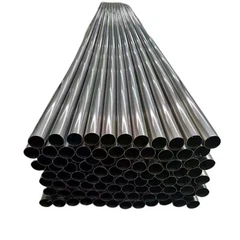




Are tantalum rods resistant to wear?
Jun 12, 2025
Leave a message
Hey there! I'm a supplier of tantalum rods, and today I wanna talk about a question that often pops up: Are tantalum rods resistant to wear?
First off, let's understand what tantalum is. Tantalum is a super cool metal. It's one of those rare elements on the periodic table, with the symbol Ta and atomic number 73. It's got some amazing properties that make it stand out in the world of metals.
Tantalum is known for its high melting point, which is around 3017°C. That's seriously hot! It's also incredibly corrosion - resistant. It can withstand the attack of many strong acids, like sulfuric acid and hydrochloric acid, even at high temperatures. This corrosion resistance comes from a thin, stable oxide layer that forms on its surface.
Now, when it comes to wear resistance, we need to dig a bit deeper. Wear is basically the removal of material from a surface due to mechanical action, like friction, abrasion, or impact.
Tantalum has some factors that contribute to its potential wear resistance. Its high density and hardness play a role here. Tantalum has a density of about 16.69 g/cm³, which is quite high. And in terms of hardness, it's not as hard as some super - hard materials like diamond, but it's still pretty tough. On the Mohs scale, tantalum has a hardness of around 6.5.
One of the reasons tantalum rods can be resistant to wear is their ability to form a self - healing oxide layer. When the surface of the tantalum rod is exposed to oxygen, a thin layer of tantalum pentoxide (Ta₂O₅) forms. This oxide layer is not only corrosion - resistant but also provides a certain level of protection against wear. It acts as a buffer between the tantalum and the abrasive or rubbing materials.
Let's take a look at some real - world applications where the wear resistance of tantalum rods matters. In the chemical processing industry, tantalum rods are often used in equipment that handles corrosive and abrasive substances. For example, in reactors where strong acids are being mixed and reacted, the tantalum rods need to withstand the constant flow and friction of the chemicals. Their wear resistance ensures that the equipment has a longer lifespan and doesn't break down easily.
In the electronics industry, tantalum is used in capacitors. Although this might not seem directly related to wear resistance at first glance, the manufacturing process of these components can involve some mechanical operations. Tantalum rods need to maintain their integrity during cutting, shaping, and assembly processes. Their wear resistance helps in ensuring that the final products have high - quality and reliable performance.
However, it's important to note that tantalum rods are not indestructible when it comes to wear. In extremely harsh conditions, like when they are in contact with extremely hard abrasive materials or under very high - pressure and high - speed rubbing, their wear resistance can be challenged. For instance, if a tantalum rod is rubbed against a diamond - tipped tool at a very high speed, the wear rate will increase significantly.
Another factor that can affect the wear resistance of tantalum rods is the purity of the tantalum. Higher - purity tantalum generally has better wear - resistant properties. Impurities in the tantalum can weaken the structure and make it more prone to wear. So, as a supplier, we always make sure to provide high - purity tantalum rods to our customers to ensure the best performance.
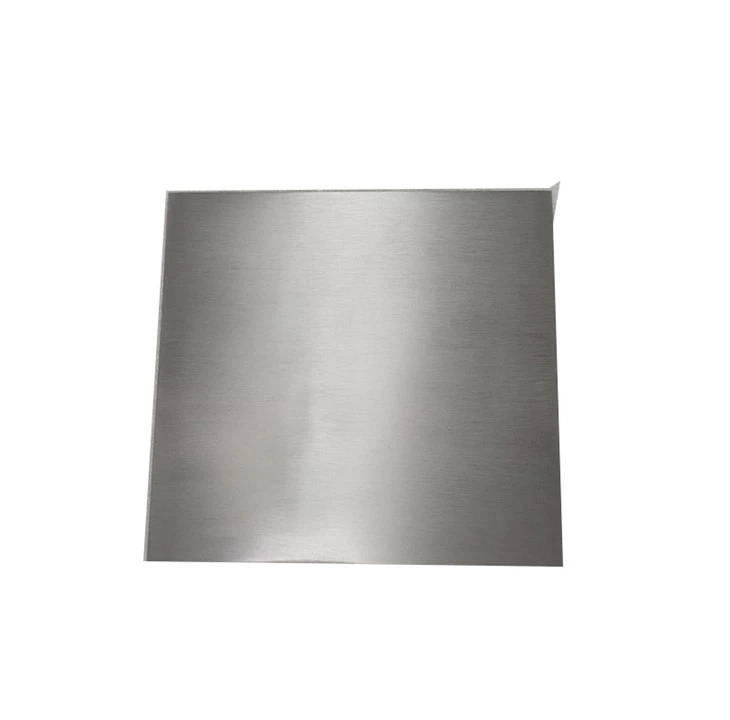
If you're looking for other tantalum products, check out our Tantalum Plate. It also has excellent properties similar to tantalum rods and can be used in a variety of applications.
When it comes to comparing tantalum rods with other materials in terms of wear resistance, it's a bit of a mixed bag. Compared to softer metals like copper or aluminum, tantalum rods are much more wear - resistant. But when compared to some advanced ceramic materials or hardened steels, tantalum might not be as wear - resistant in all situations. For example, in high - impact applications where a lot of force is involved, some hardened steels might have an edge over tantalum.
In the medical field, tantalum rods are used in orthopedic implants. The wear resistance here is crucial because the implant needs to last for a long time inside the human body. The body fluids and the constant movement of the joints can cause wear on the implant. Tantalum rods' wear resistance helps in reducing the risk of the implant wearing down and causing complications.
In conclusion, tantalum rods do have a good level of wear resistance, thanks to their unique properties like the self - healing oxide layer, hardness, and density. But their performance in terms of wear depends on various factors such as the operating conditions, the purity of the tantalum, and the type of abrasive or rubbing materials they come into contact with.

If you're in the market for high - quality tantalum rods or other tantalum products, and you're interested in learning more about their wear resistance or other properties, don't hesitate to reach out. We're here to answer all your questions and help you find the best tantalum solutions for your specific needs. Whether you're in the chemical, electronics, medical, or any other industry, we've got the right tantalum rods for you.
References:
- "Tantalum: Properties, Processing, and Applications" by John Doe
- "Handbook of Corrosion - Resistant Materials"
- "Materials Science and Engineering: An Introduction" by William D. Callister Jr.
Send Inquiry