





Are there different head types for a titanium bolt M15?
Dec 12, 2025
Leave a message
As a supplier of titanium bolts M15, I often encounter inquiries about the different head types available for these specialized fasteners. Titanium bolts M15 are widely used in various industries due to their exceptional strength-to-weight ratio, corrosion resistance, and high-temperature performance. The choice of head type can significantly impact the functionality, installation process, and overall suitability of the bolt for a particular application. In this blog post, I will delve into the different head types for titanium bolts M15, exploring their characteristics, advantages, and typical applications.
Hexagon Head
The hexagon head is one of the most common head types for titanium bolts M15. It features six flat sides, which allow for easy gripping with a wrench or socket. This design provides a high level of torque transfer, making it suitable for applications where a strong and secure connection is required. Hexagon head bolts are versatile and can be used in a wide range of industries, including automotive, aerospace, and construction.
One of the key advantages of hexagon head bolts is their ease of installation. The six-sided head provides a stable surface for the wrench or socket to grip, reducing the risk of slippage during tightening. This makes them ideal for applications where quick and efficient installation is essential. Additionally, hexagon head bolts are readily available in a variety of sizes and grades, making them a cost-effective choice for many projects.
However, hexagon head bolts may not be suitable for all applications. In some cases, the protruding head may interfere with other components or create a safety hazard. In these situations, alternative head types may be more appropriate.
Socket Head
Socket head bolts, also known as Allen head bolts, feature a cylindrical head with a hexagonal socket in the center. This design allows for the use of an Allen wrench or hex key, which provides a more compact and precise way to tighten the bolt. Socket head bolts are commonly used in applications where space is limited or where a flush finish is required.
One of the main advantages of socket head bolts is their low-profile design. The recessed socket allows the bolt to be installed flush with the surface, reducing the risk of interference with other components. This makes them ideal for applications where a smooth and clean appearance is desired, such as in machinery, electronics, and furniture.
Another advantage of socket head bolts is their high torque capacity. The hexagonal socket provides a greater surface area for the wrench to grip, allowing for more torque to be applied without damaging the bolt. This makes them suitable for applications where a strong and secure connection is required, such as in automotive engines and aerospace components.
However, socket head bolts may require specialized tools for installation and removal. The Allen wrench or hex key must be the correct size and fit tightly into the socket to ensure proper tightening. Additionally, socket head bolts may be more difficult to access in some applications, especially if the socket is located in a deep or narrow recess.
Countersunk Head
Countersunk head bolts feature a flat, conical head that is designed to be flush with the surface when installed. This design provides a smooth and clean appearance, making them ideal for applications where aesthetics are important. Countersunk head bolts are commonly used in woodworking, furniture, and automotive applications.
One of the main advantages of countersunk head bolts is their flush finish. The conical head allows the bolt to be installed flush with the surface, eliminating the need for additional finishing or trimming. This makes them ideal for applications where a smooth and professional appearance is desired, such as in cabinetry, doors, and windows.
Another advantage of countersunk head bolts is their ability to distribute the load evenly across the surface. The flat head provides a larger bearing area, reducing the risk of damage to the material being fastened. This makes them suitable for applications where a strong and secure connection is required, such as in structural woodworking and automotive body panels.
However, countersunk head bolts may not be suitable for all applications. In some cases, the conical head may not provide enough surface area for the wrench to grip, making it difficult to tighten the bolt securely. Additionally, countersunk head bolts may be more prone to loosening over time due to the lack of a locking mechanism.
Flange Head
Flange head bolts feature a large, flat flange at the base of the head. This flange provides a larger bearing area, which helps to distribute the load evenly across the surface and prevent the bolt from loosening. Flange head bolts are commonly used in applications where a strong and secure connection is required, such as in automotive engines, heavy machinery, and construction.
One of the main advantages of flange head bolts is their increased stability. The large flange provides a greater surface area for the bolt to rest on, reducing the risk of movement or vibration. This makes them ideal for applications where high loads or dynamic forces are present, such as in engine mounts, suspension systems, and structural connections.
Another advantage of flange head bolts is their ability to seal the joint. The flange can be designed to act as a gasket, preventing the leakage of fluids or gases. This makes them suitable for applications where a tight seal is required, such as in plumbing, hydraulic systems, and automotive fuel lines.
However, flange head bolts may be more expensive than other head types due to their larger size and more complex design. Additionally, the flange may require additional space for installation, which may not be available in some applications.
Other Head Types
In addition to the head types mentioned above, there are several other types of heads available for titanium bolts M15. These include:
- Button Head: Button head bolts feature a rounded head with a flat top. This design provides a smooth and aesthetically pleasing appearance, making them suitable for applications where a decorative finish is desired.
- Pan Head: Pan head bolts feature a rounded head with a flat top and a slightly curved sides. This design provides a larger bearing area than a button head bolt, making them suitable for applications where a higher load capacity is required.
- Truss Head: Truss head bolts feature a low-profile, rounded head with a wide diameter. This design provides a large bearing area and a flush finish, making them suitable for applications where a flat surface is required.
Each of these head types has its own unique characteristics and advantages, and the choice of head type will depend on the specific requirements of the application.
Conclusion
In conclusion, there are several different head types available for titanium bolts M15, each with its own unique characteristics and advantages. The choice of head type will depend on the specific requirements of the application, including the available space, the load capacity required, and the desired appearance. As a supplier of titanium bolts M15, I can help you select the right head type for your project based on your specific needs and requirements.

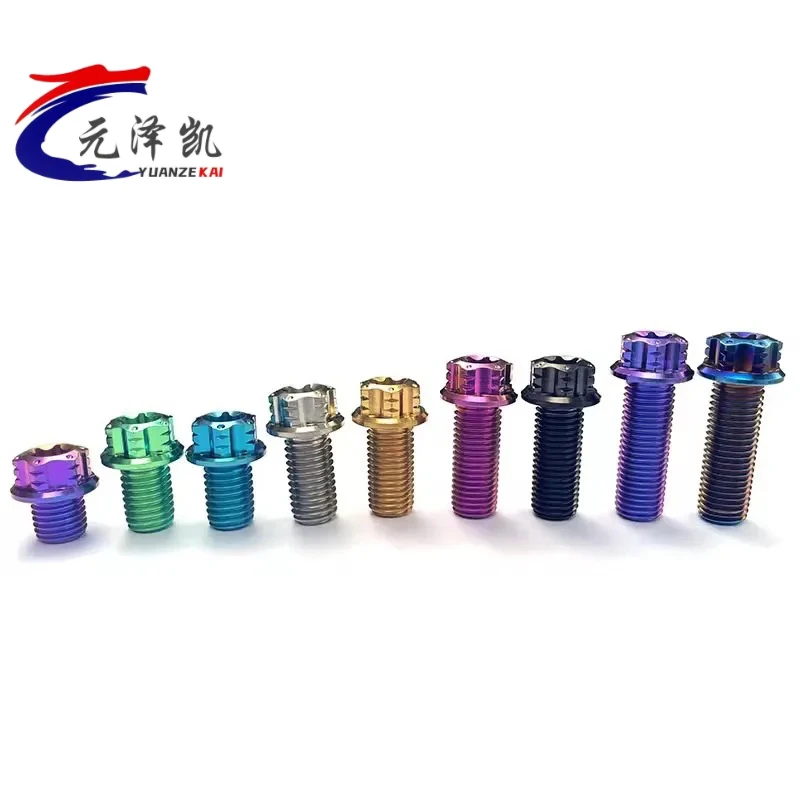
If you are interested in purchasing titanium bolts M15 or have any questions about the different head types available, please feel free to contact me. I would be happy to discuss your options and provide you with a quote. You can also explore our website for more information about our Hexagonal Socket Countersunk Titanium Screw, Gr5 12 Point Flange Bolts, and GR5 Titanium Hexagonal Torx Flange Bolt.
References
- ASME B18.2.1 - Square and Hex Bolts and Screws (Inch Series)
- ISO 4014 - Hexagon bolts and screws - Product grades A and B
- ASTM F468 - Standard Specification for Titanium and Titanium Alloy Fasteners
Send Inquiry