





Are titanium tubes resistant to pitting corrosion?
Dec 05, 2025
Leave a message
Pitting corrosion is a form of localized corrosion that leads to the creation of small holes in the metal. This type of corrosion can be particularly concerning as it can cause significant damage to a structure while remaining relatively undetected on the surface. As a titanium tube supplier, I often get asked about the resistance of titanium tubes to pitting corrosion. In this blog, I'll explore this topic in detail, drawing on scientific research and real - world applications.
Understanding Pitting Corrosion
Pitting corrosion occurs when a small area of the metal surface loses its protective oxide layer. This can happen due to the presence of aggressive anions such as chloride ions, mechanical damage, or variations in the metal's composition. Once the oxide layer is breached, a corrosion cell forms. The exposed metal acts as the anode, and the surrounding intact metal acts as the cathode. The anodic reaction leads to the dissolution of the metal, creating a pit.
The growth of pits can be rapid, and they can penetrate deep into the metal, potentially leading to structural failure. Factors such as the concentration of aggressive ions, temperature, and the presence of oxygen can all influence the rate and severity of pitting corrosion.
Titanium's Natural Resistance to Corrosion
Titanium is well - known for its excellent corrosion resistance. This is primarily due to the formation of a thin, adherent, and self - healing oxide layer on its surface. When titanium is exposed to oxygen, a layer of titanium dioxide (TiO₂) forms almost instantaneously. This oxide layer is highly stable and provides a barrier between the metal and the surrounding environment, preventing further oxidation.
The self - healing property of the titanium dioxide layer is crucial. If the layer is damaged, for example, by mechanical abrasion or a brief exposure to a corrosive agent, it will reform as long as oxygen is present. This ability to repair itself makes titanium highly resistant to general corrosion in a wide range of environments, including seawater, chemical processing plants, and marine applications.
Resistance of Titanium Tubes to Pitting Corrosion
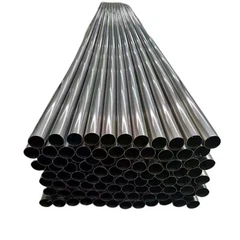
Titanium tubes, in general, exhibit a high level of resistance to pitting corrosion. The stable oxide layer on the surface of titanium tubes prevents the initiation of pits. Even in environments with high concentrations of chloride ions, such as seawater, titanium tubes are less likely to experience pitting compared to many other metals.
However, it's important to note that the resistance of titanium tubes to pitting corrosion is not absolute. Under certain extreme conditions, pitting can occur. For example, in environments with very high temperatures and high concentrations of aggressive ions, the protective oxide layer may be overwhelmed. Additionally, if the titanium contains impurities or has a non - uniform microstructure, it may be more susceptible to pitting.
Factors Affecting Pitting Resistance of Titanium Tubes
- Alloy Composition: Different titanium alloys have different levels of pitting resistance. For instance, Grade 2 titanium is a commercially pure titanium alloy that is widely used in various applications due to its good combination of corrosion resistance and mechanical properties. It has a relatively high resistance to pitting corrosion in many environments. On the other hand, some titanium alloys with specific alloying elements may be designed to have even better pitting resistance in certain aggressive conditions. You can check out our Gr2 Titanium Stub End for more information on Grade 2 titanium products.
- Surface Finish: The surface finish of titanium tubes can also affect their pitting resistance. A smooth surface finish reduces the likelihood of pit initiation because there are fewer sites for the accumulation of aggressive ions. Rough surfaces, on the other hand, can trap corrosive agents and create areas where the oxide layer may be more easily damaged.
- Environmental Conditions: As mentioned earlier, the concentration of aggressive ions, temperature, and the presence of oxygen all play a role in pitting corrosion. In environments with high chloride concentrations, such as coastal areas or desalination plants, the risk of pitting increases. Higher temperatures can also accelerate the corrosion process, as they increase the mobility of ions and the rate of chemical reactions.
Real - World Applications and Case Studies
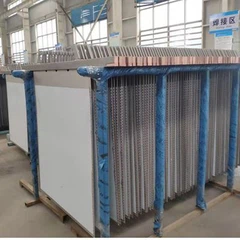
Titanium tubes are widely used in industries where corrosion resistance is critical. In the marine industry, for example, titanium tubes are used in heat exchangers, condensers, and piping systems. These applications are constantly exposed to seawater, which is a highly corrosive environment due to its high chloride content. Despite this, titanium tubes have proven to be reliable and long - lasting, with minimal signs of pitting corrosion even after years of service.
In the chemical processing industry, titanium tubes are used to transport corrosive chemicals. They can withstand the harsh conditions of chemical reactions, including exposure to acids, alkalis, and other aggressive substances. Many chemical plants have reported significant cost savings and increased operational efficiency by using titanium tubes instead of traditional metal tubes that are more prone to corrosion.


Our Product Range and Pitting Resistance
As a titanium tube supplier, we offer a wide range of titanium tubes, including ASTM B862 Gr1 Titanium Capillary Tube and Titanium Gr 2 Seamless Tubes. Our products are carefully manufactured to ensure high - quality and optimal corrosion resistance.
We use advanced manufacturing processes to control the composition and microstructure of our titanium tubes, which helps to enhance their pitting resistance. Our quality control measures include strict testing procedures to ensure that each tube meets the highest standards of corrosion resistance.
Contact Us for Your Titanium Tube Needs
If you are looking for high - quality titanium tubes with excellent resistance to pitting corrosion, we are here to help. Whether you need tubes for a marine application, chemical processing, or any other industry, our team of experts can assist you in selecting the right product for your specific requirements.
We understand the importance of corrosion resistance in your operations, and we are committed to providing you with the best titanium tube solutions. Contact us today to start a discussion about your procurement needs and to learn more about how our titanium tubes can benefit your projects.
References
- Fontana, M. G. (1986). Corrosion Engineering. McGraw - Hill.
- Uhlig, H. H., & Revie, R. W. (1985). Corrosion and Corrosion Control. Wiley - Interscience.
- ASTM International. (2023). Standards related to titanium and titanium alloys.
Send Inquiry