





Can titanium rod ends be used in robotic applications?
Jul 21, 2025
Leave a message
Can titanium rod ends be used in robotic applications?
In the dynamic and ever - evolving field of robotics, the choice of materials for components is crucial to achieving optimal performance, durability, and efficiency. Titanium rod ends have emerged as a potential candidate for various robotic applications, and in this blog, as a titanium rod ends supplier, I will explore their viability and advantages in the robotic realm.
Understanding Titanium Rod Ends
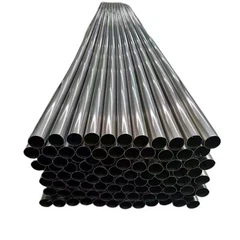
Titanium rod ends are mechanical joints that typically consist of a spherical bearing enclosed in a housing with a threaded shank. The use of titanium in these components brings a unique set of properties to the table. Titanium is well - known for its high strength - to - weight ratio. This means that it can withstand significant loads while being relatively lightweight compared to other metals such as steel. For instance, Ti6al4v Titanium Bar is a popular titanium alloy used in rod ends. It has excellent corrosion resistance, which is especially important in environments where the robot may be exposed to moisture, chemicals, or other corrosive substances.
Advantages of Titanium Rod Ends in Robotic Applications
1. Weight Reduction
One of the primary benefits of using titanium rod ends in robotics is the reduction in weight. In many robotic systems, especially those that require high - speed movement or are designed for applications such as aerospace or mobile robotics, every gram of weight matters. By using titanium rod ends instead of traditional steel ones, the overall weight of the robot can be significantly reduced. This not only allows for faster acceleration and deceleration but also reduces the energy consumption of the robot. For example, in a robotic arm used for pick - and - place operations in a factory, a lighter arm due to titanium rod ends can move more quickly between different positions, increasing the overall productivity of the system.
2. Corrosion Resistance
Robots can operate in a wide range of environments, from cleanroom conditions to harsh industrial settings. In environments where there is a risk of corrosion, such as in the chemical industry or near the ocean, the corrosion - resistant properties of titanium rod ends are invaluable. ASTM B348 Titanium Alloy Rods For Chemical Industry are specifically designed to withstand the corrosive effects of chemicals. This ensures that the rod ends maintain their structural integrity over time, reducing the need for frequent replacements and minimizing downtime for maintenance.
3. High Strength
Despite their relatively low weight, titanium rod ends offer high strength. They can withstand significant axial and radial loads, making them suitable for applications where the robot needs to exert force or support heavy objects. In a robotic manipulator used for lifting and moving heavy components, the titanium rod ends can handle the stresses associated with the lifting operation without deforming or failing. The high strength of titanium also allows for the design of more compact and lightweight robotic structures, as the rod ends can provide the necessary support in a smaller package.


4. Fatigue Resistance
Robotic systems often undergo repeated cycles of movement, which can lead to fatigue in the components. Titanium has good fatigue resistance, meaning that titanium rod ends can withstand a large number of loading cycles without developing cracks or failing. This is particularly important in applications where the robot is required to perform the same task repeatedly, such as in assembly line robots. The fatigue resistance of titanium rod ends ensures the long - term reliability of the robotic system.
Applications of Titanium Rod Ends in Robotics
1. Industrial Robots
In industrial settings, robots are used for a variety of tasks such as welding, painting, and material handling. Titanium rod ends can be used in the joints of robotic arms to provide smooth and precise movement. Their high strength and corrosion resistance make them suitable for the demanding conditions in industrial environments. For example, in a robotic welding system, the rod ends need to withstand high temperatures and mechanical stresses. Titanium rod ends can maintain their performance under these conditions, ensuring accurate welding operations.
2. Aerospace Robotics
Aerospace applications place strict requirements on the weight and performance of components. Titanium rod ends are ideal for aerospace robots due to their lightweight and high - strength properties. They can be used in robotic systems for satellite assembly, aircraft maintenance, or in - flight inspection. The corrosion resistance of titanium is also beneficial in the aerospace environment, where the components may be exposed to harsh weather conditions and high - altitude radiation.
3. Medical Robotics
In the field of medical robotics, precision and reliability are of utmost importance. Titanium rod ends can be used in surgical robots, rehabilitation robots, and other medical devices. Their biocompatibility, along with their mechanical properties, makes them a suitable choice for medical applications. The low weight of titanium rod ends is also an advantage in portable medical robots, which need to be easily maneuverable.
Challenges and Considerations
While titanium rod ends offer many advantages in robotic applications, there are also some challenges and considerations to keep in mind.
1. Cost
Titanium is generally more expensive than steel, which means that titanium rod ends can be more costly. This cost factor may be a deterrent for some applications, especially those with tight budgets. However, when considering the long - term benefits such as reduced maintenance costs and increased productivity, the higher initial investment in titanium rod ends may be justified.
2. Machinability
Titanium is more difficult to machine than steel. This can lead to longer manufacturing times and higher production costs. However, with advancements in machining technology, the challenges associated with machining titanium are being gradually overcome. As a supplier, we are constantly working on improving our manufacturing processes to ensure that we can provide high - quality titanium rod ends at a competitive price.
Conclusion
In conclusion, titanium rod ends have significant potential in robotic applications. Their unique combination of high strength - to - weight ratio, corrosion resistance, fatigue resistance, and other properties make them a valuable choice for a wide range of robotic systems. While there are some challenges such as cost and machinability, the long - term benefits often outweigh these drawbacks. If you are looking for high - quality titanium rod ends for your robotic applications, we are here to help. Our team of experts can provide you with the right advice and solutions to meet your specific requirements. Whether you need Ti6al4v Titanium Bar - based rod ends or Titanium Hex Bars in different configurations, we can offer a customized solution. Contact us to start a discussion about your procurement needs and explore how our titanium rod ends can enhance the performance of your robotic systems.
References
- Callister, W. D., & Rethwisch, D. G. (2010). Materials Science and Engineering: An Introduction. Wiley.
- ASM Handbook Committee. (2000). ASM Handbook, Volume 2: Properties and Selection: Nonferrous Alloys and Special - Purpose Materials. ASM International.
Send Inquiry