





How do you mark a titanium rod?
Jan 05, 2026
Leave a message
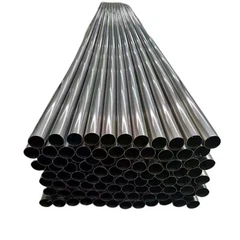
Marking a titanium rod is a crucial process that serves multiple purposes, from ensuring traceability to maintaining quality control in the manufacturing and distribution of titanium rods. As a titanium rod supplier, understanding the proper marking techniques is essential to meet the diverse needs of our customers and comply with industry standards.
Importance of Marking Titanium Rods
Marking titanium rods is not just a cosmetic or administrative task. It plays a vital role in several aspects of the product lifecycle. Firstly, it enables traceability. In industries such as aerospace, automotive, and chemical processing, where the integrity and quality of materials are of utmost importance, tracing the origin and production history of a titanium rod is critical. If there are any issues with performance or quality, proper markings can help identify the source of the problem, whether it's from the raw material supplier, the manufacturing process, or subsequent handling.
Secondly, marking is essential for identification. Different titanium alloys have distinct properties and applications. For example, ASTM B348 titanium alloy rods are specifically designed for the chemical industry due to their excellent corrosion resistance. By clearly marking the alloy type on the rod, users can easily select the appropriate material for their specific needs.
Methods of Marking Titanium Rods
There are several methods available for marking titanium rods, each with its own advantages and limitations.
Laser Marking
Laser marking is one of the most popular methods for marking titanium rods. It works by using a high - energy laser beam to create a permanent mark on the surface of the rod. The laser vaporizes or changes the color of the titanium material, resulting in a clear and precise mark.
One of the main advantages of laser marking is its high precision. It can create very fine and detailed markings, including serial numbers, logos, and barcodes. This makes it ideal for applications where traceability and identification require accurate and legible information. Additionally, laser marking is a non - contact process, which means there is no physical stress or damage to the rod during the marking process. This is particularly important for maintaining the integrity of the rod's surface and mechanical properties.
However, laser marking equipment can be relatively expensive, both in terms of the initial purchase cost and ongoing maintenance. Also, the depth of the mark is relatively shallow, which may not be suitable for applications where the mark needs to withstand harsh environments or heavy wear.


Dot Peen Marking
Dot peen marking involves using a pneumatic or electromechanical stylus to create a series of dots on the surface of the titanium rod. These dots form letters, numbers, or symbols, creating a permanent mark.
This method is known for its durability. The dots are physically indented into the surface of the rod, making the mark resistant to abrasion, corrosion, and other environmental factors. Dot peen marking is also relatively fast and can be used to mark large numbers of rods in a short period.
On the downside, dot peen marking may not be as precise as laser marking, especially for very small or detailed markings. The indentations can also create small stress points on the surface of the rod, which may potentially affect its mechanical properties, especially in applications where the rod is subjected to high stress.
Chemical Etching
Chemical etching is a process where a chemical solution is used to remove a thin layer of the titanium rod's surface, creating a mark. This method can produce very clear and sharp markings, similar to laser marking.
Chemical etching has the advantage of being able to mark complex shapes and patterns. It can be used to mark large areas of the rod surface with relative ease. However, it requires careful handling of the chemical solutions, which can be hazardous. Additionally, the process may take longer compared to laser or dot peen marking, and it may also require proper ventilation and waste management to comply with environmental regulations.
Considerations for Marking Titanium Rods
When choosing a marking method for titanium rods, several factors need to be considered.
Material Properties
Titanium is a unique material with specific properties, such as its high strength - to - weight ratio, corrosion resistance, and biocompatibility. The marking method should not compromise these properties. For example, excessive heat or mechanical stress during the marking process can cause changes in the microstructure of the titanium, leading to reduced strength or increased susceptibility to corrosion.
Environmental Conditions
The environment in which the titanium rod will be used also plays a role in choosing the marking method. If the rod will be exposed to high temperatures, corrosive chemicals, or abrasive materials, the mark needs to be able to withstand these conditions. In such cases, a more durable marking method like dot peen marking may be more suitable.
Customer Requirements
Different customers may have different requirements for the marking of titanium rods. Some may require specific information, such as batch numbers, manufacturing dates, or quality control codes, to be marked on the rods. Others may have preferences regarding the appearance and size of the markings. As a titanium rod supplier, it is essential to communicate with the customers to understand their specific needs and ensure that the marking process meets their expectations.
Applications of Marked Titanium Rods
Marked titanium rods find applications in a wide range of industries.
Aerospace Industry
In the aerospace industry, titanium rods are used in critical components such as engine parts, landing gear, and structural elements. The proper marking of these rods is essential for ensuring safety and compliance with strict industry regulations. By accurately marking the rods, manufacturers can track the history of each component, perform quality control checks, and quickly identify any potential issues in case of an inspection or maintenance.
Chemical Industry
The chemical industry often uses ASTM B348 Titanium Alloy Rods For Chemical Industry due to their excellent corrosion resistance. Marking these rods helps in proper identification and selection, ensuring that the right material is used for each chemical processing application. This is crucial for preventing chemical reactions and equipment failures, which can have serious safety and environmental consequences.
Medical Industry
Titanium is widely used in the medical industry for implants and surgical instruments due to its biocompatibility. Marking titanium rods used in medical applications is important for traceability, quality control, and patient safety. Surgeons and medical staff can easily identify the source and specifications of the titanium rods, ensuring that they are using high - quality and appropriate materials for their patients.
Availability of Titanium Rods for Sale
We, as a titanium rod supplier, offer a wide range of titanium rod products, including Titanium Bar Stock For Sale and Ti 6246 Bar. Our rods are carefully marked using the appropriate methods to ensure traceability, identification, and compliance with industry standards.
If you are in need of high - quality titanium rods for your specific applications, we are here to assist you. Our team of experts can help you choose the right marking method and provide you with detailed information about our products. Whether you are in the aerospace, chemical, medical, or any other industry, we can meet your titanium rod requirements.
We invite you to contact us for further discussion and to start the procurement process. Our goal is to provide you with the best - quality titanium rods and excellent customer service.
References
- ASM Handbook Committee. (2000). ASM Handbook Volume 2: Properties and Selection: Nonferrous Alloys and Special - Purpose Materials. ASM International.
- Titanium Association. (2019). Titanium: A Technical Guide. The Titanium Association.
- ASTM International. (2021). Standard Specification for Titanium and Titanium Alloy Bars and Billets. ASTM B348.
Send Inquiry