





How do you weld tantalum rods?
Jul 24, 2025
Leave a message
Hey there! I'm a supplier of tantalum rods, and today I'm gonna share with you how to weld tantalum rods. Tantalum is a super cool metal. It's got high melting point, excellent corrosion resistance, and good ductility, which makes tantalum rods widely used in various industries like electronics, chemical engineering, and aerospace. But welding tantalum rods can be a bit tricky due to its unique properties. So, let's dive right in and explore the welding process step by step.
Preparation Before Welding
First things first, proper preparation is crucial for a successful weld. You need to gather all the necessary tools and materials. You'll need a welding machine suitable for tantalum, which is usually a TIG (Tungsten Inert Gas) welder. TIG welding is preferred for tantalum because it provides precise control over the welding process and allows for high - quality welds.
You also need a clean and well - ventilated workspace. Tantalum is sensitive to contaminants, so make sure the area is free from dust, oil, and other impurities. The tantalum rods themselves should be thoroughly cleaned. You can use a mild abrasive to remove any surface oxides, and then degrease them with a suitable solvent. This ensures good contact between the rods during welding and helps prevent defects in the weld.
Another important aspect is the shielding gas. Argon is commonly used as the shielding gas for tantalum welding. It creates an inert atmosphere around the weld pool, protecting the molten tantalum from reacting with oxygen, nitrogen, and other elements in the air. You should have a sufficient supply of high - purity argon gas to maintain a stable shielding environment throughout the welding process.
Setting Up the Welding Machine
Once you've got everything ready, it's time to set up the welding machine. The settings depend on several factors, such as the diameter of the tantalum rods and the type of joint you're making. For most tantalum rod welding applications, a DC (Direct Current) electrode negative (DCEN) mode is used. This mode provides a stable arc and good penetration.
The welding current should be adjusted according to the rod diameter. Generally, a higher current is required for thicker rods. You can start with a lower current and gradually increase it until you achieve a good weld bead appearance. The voltage also needs to be set appropriately. Too high a voltage can cause excessive spatter and a wide, shallow weld, while too low a voltage may result in poor fusion.
The gas flow rate is another critical parameter. A typical gas flow rate for tantalum rod welding is around 10 - 20 cubic feet per hour (CFH). This ensures proper shielding of the weld pool. You can fine - tune the gas flow rate based on the actual welding conditions and the size of the weld area.
Joint Preparation
Before you start welding, you need to prepare the joints of the tantalum rods. The most common types of joints for tantalum rods are butt joints and lap joints. For a butt joint, the ends of the rods should be cut square and beveled if necessary. The bevel angle depends on the rod thickness and the welding process. A 30 - 45 degree bevel is often used for thicker rods to ensure good penetration.
For a lap joint, the rods should be overlapped by an appropriate amount. The overlap length usually ranges from 1 - 3 times the rod diameter. Make sure the contact surfaces are clean and flat to ensure good electrical conductivity and fusion during welding. You can use clamps or fixtures to hold the rods in place during welding, ensuring proper alignment and preventing movement.
Welding Process
Now comes the actual welding part. Start by striking an arc on the edge of the joint. You can use a high - frequency arc starter to initiate the arc easily. Once the arc is established, move the torch slowly along the joint, maintaining a consistent travel speed. The travel speed affects the weld bead shape and quality. Too fast a speed can lead to incomplete fusion, while too slow a speed can cause excessive heat input and distortion.
Keep the torch at a proper angle to the joint. A 70 - 80 degree angle is commonly used for TIG welding of tantalum rods. This angle helps direct the heat and the shielding gas effectively towards the weld pool. You should also keep the electrode tip at a constant distance from the work surface, usually around 1/8 - 1/4 inch.
As you weld, add filler metal if needed. Filler metal is used to increase the strength and fill the joint gap. The filler metal should be of the same or similar composition as the tantalum rods. You can feed the filler metal into the leading edge of the weld pool at a steady rate.
Post - Welding Treatment
After the welding is completed, it's important to carry out post - welding treatment. First, let the welded rods cool down slowly. Rapid cooling can cause internal stresses and cracking in the weld. You can cover the welded area with an insulating material to slow down the cooling rate.
Then, inspect the weld for any defects. You can use visual inspection to check for cracks, porosity, or incomplete fusion. If you find any defects, you may need to repair them using appropriate methods. You can also perform non - destructive testing, such as X - ray or ultrasonic testing, for more accurate defect detection.
Finally, clean the welded area to remove any slag or spatter. You can use a wire brush or a grinder to clean the surface. This not only improves the appearance of the weld but also helps prevent corrosion in the long run.
Applications of Welded Tantalum Rods
Welded tantalum rods have a wide range of applications. In the electronics industry, they are used in the manufacturing of capacitors, resistors, and other electronic components. Tantalum's high capacitance and low leakage current make it an ideal material for these applications.
In the chemical industry, welded tantalum rods are used in equipment that handles corrosive chemicals. For example, they can be used in the construction of reaction vessels, heat exchangers, and pipes. Tantalum's excellent corrosion resistance ensures the long - term reliability of these equipment.
In the aerospace industry, tantalum rods are used in high - temperature and high - stress applications. Welded tantalum components can withstand extreme conditions, such as high - speed flight and re - entry into the Earth's atmosphere.
Tantalum Plate
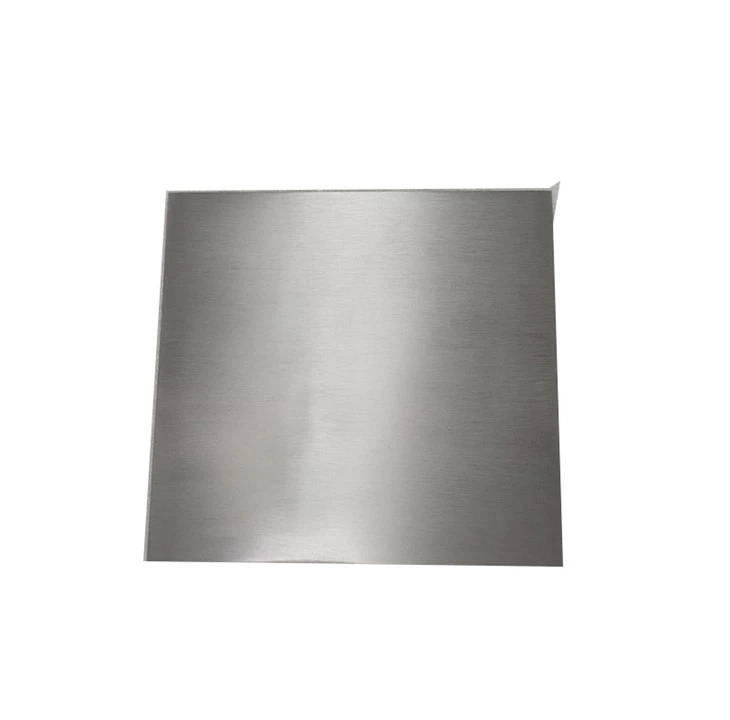
If you're also interested in other tantalum products, you can check out Tantalum Plate. Tantalum plates have their own unique properties and applications, and they can be a great addition to your project if you need flat tantalum materials.
Conclusion
Welding tantalum rods can be a challenging but rewarding process. By following the steps I've outlined above, you can achieve high - quality welds and produce reliable tantalum rod components. Whether you're in the electronics, chemical, or aerospace industry, welded tantalum rods can offer excellent performance and durability.

If you're looking for high - quality tantalum rods for your welding projects, I'm here to help. I'm a trusted supplier of tantalum rods, offering a wide range of sizes and grades to meet your specific requirements. Feel free to reach out to me for more information and to discuss your procurement needs. Let's work together to make your projects a success!
References
- ASM Handbook Volume 6: Welding, Brazing, and Soldering
- Tantalum and Niobium: Properties, Processing, and Applications by various authors
Send Inquiry