





How does tantalum material react with carbon?
Dec 19, 2025
Leave a message
Tantalum is a rare, hard, blue-gray, lustrous transition metal that is highly corrosion-resistant. It has a wide range of applications in various industries, including electronics, aerospace, and chemical processing. As a tantalum material supplier, I often receive inquiries about the properties and reactions of tantalum, especially its interaction with carbon. In this blog post, I will delve into how tantalum material reacts with carbon, exploring the underlying science, the resulting compounds, and the implications for different applications.
The Basics of Tantalum and Carbon
Before we discuss their reaction, let's briefly review the properties of tantalum and carbon. Tantalum has an atomic number of 73 and is known for its high melting point (3017°C), excellent ductility, and remarkable resistance to chemical attack. It is commonly used in the production of capacitors, high-power resistors, and corrosion-resistant equipment.
Carbon, on the other hand, is a non-metal with an atomic number of 6. It exists in several allotropes, including diamond, graphite, and fullerenes, each with distinct physical and chemical properties. Carbon is one of the most versatile elements, forming the basis of all known life and playing a crucial role in many industrial processes.
Reactions between Tantalum and Carbon
Tantalum and carbon can react under specific conditions to form tantalum carbides. The reaction typically occurs at high temperatures, usually above 1500°C, and can be represented by the following chemical equation:
Ta + C → TaC

This reaction results in the formation of tantalum carbide (TaC), a hard, refractory compound with a high melting point (3880°C) and excellent chemical stability. Tantalum carbide exists in several phases, including TaC and Ta₂C, depending on the stoichiometry of the reaction.
Formation Mechanism
The formation of tantalum carbide involves the diffusion of carbon atoms into the tantalum lattice. At high temperatures, the carbon atoms gain sufficient energy to overcome the activation energy barrier and react with tantalum atoms. The reaction proceeds through a series of steps, including the adsorption of carbon on the tantalum surface, the diffusion of carbon into the tantalum lattice, and the formation of tantalum carbide nuclei.
Factors Affecting the Reaction
Several factors can influence the reaction between tantalum and carbon, including temperature, pressure, and the presence of impurities. Higher temperatures generally promote the reaction by increasing the mobility of carbon atoms and reducing the activation energy barrier. Pressure can also affect the reaction rate, with higher pressures favoring the formation of tantalum carbide.
The presence of impurities can have a significant impact on the reaction between tantalum and carbon. For example, oxygen can react with carbon to form carbon monoxide or carbon dioxide, reducing the availability of carbon for the reaction with tantalum. Similarly, other elements such as nitrogen and sulfur can also react with tantalum or carbon, altering the reaction kinetics and the properties of the resulting compounds.
Properties of Tantalum Carbide
Tantalum carbide exhibits a unique combination of properties that make it suitable for a wide range of applications. Some of the key properties of tantalum carbide include:
- Hardness: Tantalum carbide is one of the hardest compounds known, with a hardness comparable to that of diamond. This makes it an ideal material for cutting tools, wear-resistant coatings, and high-pressure applications.
- High Melting Point: Tantalum carbide has a very high melting point, which allows it to maintain its structural integrity at elevated temperatures. This property makes it suitable for use in refractory applications, such as furnace linings and crucibles.
- Chemical Stability: Tantalum carbide is highly resistant to chemical attack, making it suitable for use in corrosive environments. It is particularly resistant to acids, alkalis, and molten metals, making it an ideal material for chemical processing equipment.
- Electrical Conductivity: Tantalum carbide is a good conductor of electricity, with a conductivity similar to that of metals. This property makes it suitable for use in electrical applications, such as electrodes and wiring.
Applications of Tantalum Carbide
The unique properties of tantalum carbide make it suitable for a wide range of applications in various industries. Some of the key applications of tantalum carbide include:
- Cutting Tools: Tantalum carbide is widely used in the production of cutting tools, such as drills, end mills, and inserts. Its high hardness and wear resistance make it an ideal material for machining hard materials, such as metals, ceramics, and composites.
- Wear-Resistant Coatings: Tantalum carbide coatings are used to improve the wear resistance of various components, such as bearings, gears, and valves. The coatings can be applied using a variety of techniques, including physical vapor deposition (PVD) and chemical vapor deposition (CVD).
- Refractory Applications: Tantalum carbide is used in the production of refractory materials, such as furnace linings and crucibles. Its high melting point and chemical stability make it suitable for use in high-temperature applications, where other materials may fail.
- Electrical Applications: Tantalum carbide is used in the production of electrical components, such as electrodes and wiring. Its high electrical conductivity and chemical stability make it suitable for use in high-power applications, where other materials may experience degradation.
Our Tantalum Products
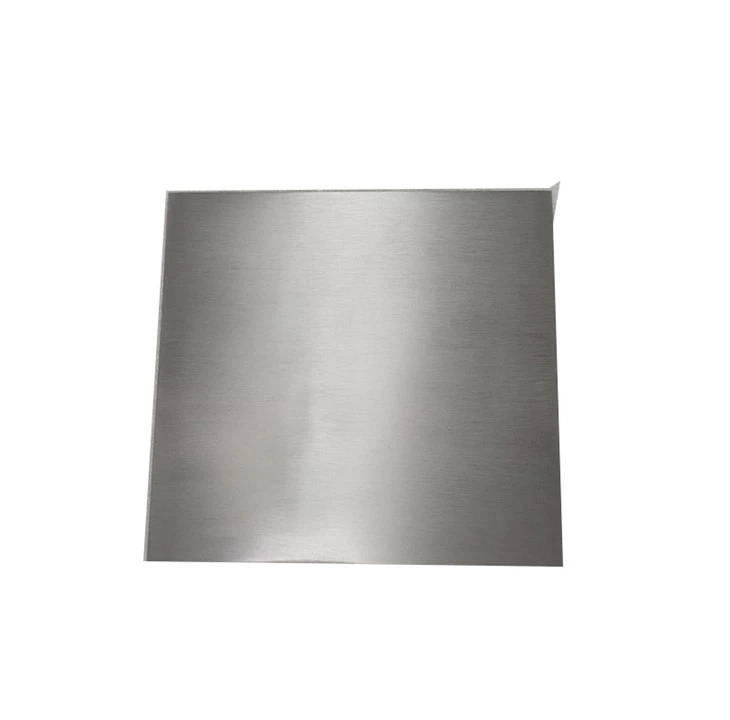
As a tantalum material supplier, we offer a wide range of tantalum products, including Tantalum Plate. Our tantalum plates are made from high-quality tantalum materials and are available in various sizes and thicknesses to meet the specific requirements of our customers.
Our tantalum plates are suitable for a wide range of applications, including chemical processing, electronics, and aerospace. They are known for their excellent corrosion resistance, high strength, and good formability. Whether you need tantalum plates for a small-scale project or a large-scale industrial application, we can provide you with the right solution.
Conclusion
In conclusion, the reaction between tantalum and carbon results in the formation of tantalum carbide, a hard, refractory compound with a high melting point and excellent chemical stability. The reaction occurs at high temperatures and involves the diffusion of carbon atoms into the tantalum lattice. The properties of tantalum carbide make it suitable for a wide range of applications, including cutting tools, wear-resistant coatings, and refractory materials.
As a tantalum material supplier, we are committed to providing our customers with high-quality tantalum products and excellent customer service. If you are interested in learning more about our tantalum products or have any questions about the reaction between tantalum and carbon, please feel free to contact us. We look forward to discussing your specific requirements and providing you with the best solution for your needs.
References
- Smith, J. (2010). Tantalum and its Compounds. Elsevier.
- Jones, A. (2015). Carbon Allotropes and their Applications. Springer.
- Brown, C. (2018). High-Temperature Materials and their Applications. Wiley.
Send Inquiry