





How does tantalum plate interact with other metals?
Jul 28, 2025
Leave a message
Hey there! I'm a supplier of Tantalum Plate, and today I wanna chat about how tantalum plate interacts with other metals. Tantalum is a super interesting metal, and its interactions with other metals can have some pretty cool and useful applications.
First off, let's talk a bit about tantalum itself. Tantalum is a rare, hard, blue-gray, lustrous transition metal that's highly corrosion-resistant. It's often used in a variety of industries, from electronics to chemical processing. And that's where its interactions with other metals come into play.
When tantalum plate comes into contact with other metals, one of the most important things to consider is corrosion. Tantalum is known for its excellent corrosion resistance, especially in acidic environments. So, when it's paired with other metals, it can act as a protective layer. For example, in chemical processing equipment, tantalum plate can be used to line vessels made of other metals like steel. The tantalum protects the steel from corrosion, extending the lifespan of the equipment.
Let's take a closer look at some specific metals and how they interact with tantalum plate.
Tantalum and Steel
Steel is one of the most widely used metals in the world, and it's often used in combination with tantalum. As I mentioned earlier, tantalum can be used as a lining for steel vessels. This is because steel is prone to corrosion in many chemical environments, especially those with acids. Tantalum, on the other hand, can withstand these corrosive conditions. When tantalum plate is bonded to steel, it creates a composite material that combines the strength of steel with the corrosion resistance of tantalum.
The bonding process between tantalum and steel is crucial. There are several methods to bond tantalum plate to steel, such as explosive bonding and diffusion bonding. Explosive bonding uses the energy from an explosion to bond the two metals together. It's a fast and effective method, but it requires careful control to ensure a good bond. Diffusion bonding, on the other hand, involves heating the two metals to a high temperature and applying pressure. This allows the atoms of the two metals to diffuse into each other, creating a strong bond.
In addition to protecting steel from corrosion, tantalum can also improve the mechanical properties of steel in some cases. For example, when tantalum is added as an alloying element to steel, it can increase the strength and hardness of the steel. This is because tantalum has a high melting point and can form stable carbides, which strengthen the steel matrix.
Tantalum and Titanium
Titanium is another metal that's often used in combination with tantalum. Both titanium and tantalum are known for their corrosion resistance, but they have different properties. Titanium is lighter and has a higher strength-to-weight ratio, while tantalum has better corrosion resistance in certain environments, especially those with hydrofluoric acid.
When tantalum plate is used with titanium, it can enhance the overall performance of the material. For example, in aerospace applications, titanium is often used for its lightweight and high strength. However, in some corrosive environments, titanium may not be sufficient. By adding a layer of tantalum plate, the corrosion resistance of the titanium component can be improved.
The interaction between tantalum and titanium also has implications for their joining process. Welding tantalum to titanium can be challenging because they have different melting points and thermal expansion coefficients. Special welding techniques, such as electron beam welding or laser welding, are often used to ensure a good bond between the two metals.
Tantalum and Nickel
Nickel is a versatile metal that's used in many industries, including aerospace, electronics, and chemical processing. It has good corrosion resistance and high-temperature strength. When tantalum plate is combined with nickel, it can further enhance the corrosion resistance of the nickel-based alloy.
In chemical processing, nickel-based alloys are often used in equipment that handles corrosive chemicals. However, in some aggressive environments, such as those with concentrated sulfuric acid, nickel may still corrode. Tantalum plate can be used as a lining or cladding for nickel-based equipment to provide additional protection.
The interaction between tantalum and nickel also affects their electrical properties. Both tantalum and nickel are good conductors of electricity, but their combination can result in a material with unique electrical properties. For example, in electronic components, the combination of tantalum and nickel can be used to create resistors and capacitors with specific characteristics.
Applications of Tantalum Plate's Interactions with Other Metals
The interactions between tantalum plate and other metals have a wide range of applications. In the chemical industry, as I've mentioned before, tantalum-lined steel vessels are used to store and process corrosive chemicals. This helps to prevent leaks and contamination, ensuring the safety and efficiency of the chemical processes.
In the electronics industry, tantalum capacitors are widely used because of their high capacitance and stability. Tantalum is often combined with other metals, such as nickel and copper, in the manufacturing of these capacitors. The interaction between tantalum and these metals affects the performance of the capacitors, such as their capacitance, leakage current, and temperature stability.
In the medical industry, tantalum is used in implants because of its biocompatibility. It can be combined with other metals, such as titanium, to create implants with better mechanical properties and corrosion resistance. For example, tantalum-coated titanium implants are used in orthopedic applications to improve the integration of the implant with the surrounding bone tissue.
Conclusion
As you can see, the interactions between tantalum plate and other metals are complex and have many practical applications. Whether it's protecting steel from corrosion, enhancing the performance of titanium components, or improving the electrical properties of nickel-based alloys, tantalum plate plays an important role.
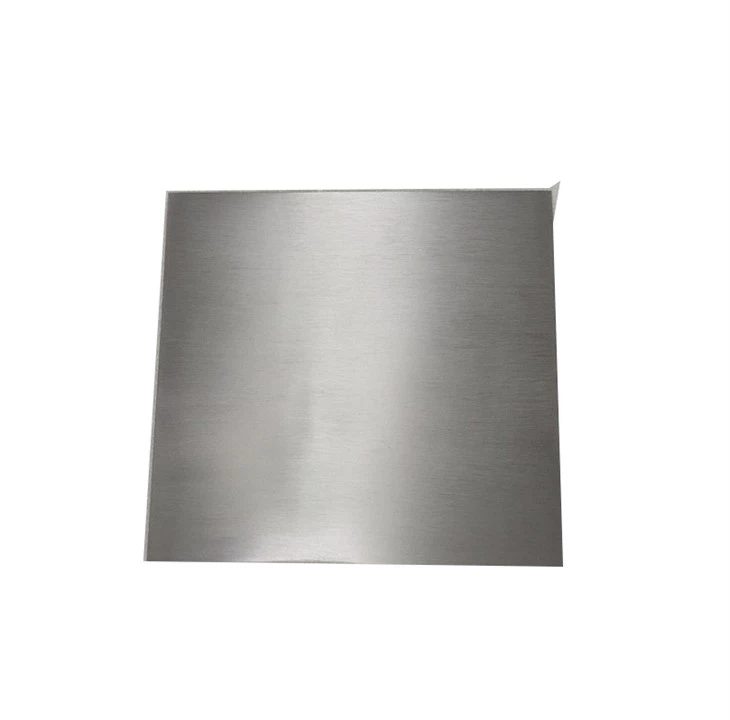
If you're in the market for Tantalum Plate, I'm here to help. Whether you need it for a specific application or just want to learn more about its properties and interactions with other metals, feel free to reach out. You can check out our Tantalum Plate page for more information. We have a wide range of tantalum plates in different sizes and specifications to meet your needs. So, don't hesitate to contact us for a quote or to discuss your requirements. Let's work together to find the best solution for your project!

References
- ASM Handbook Volume 6: Welding, Brazing, and Soldering
- Corrosion Resistance of Metals and Alloys by Bruce D. Craig
- Tantalum and Niobium: Science, Technology, and Applications edited by John F. Elliott
Send Inquiry