

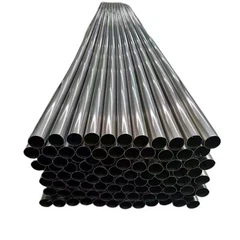


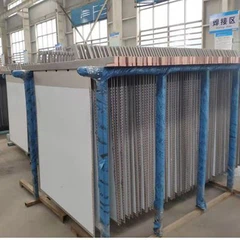


How does tantalum plate perform in acid environments?
Nov 04, 2025
Leave a message
Hey there! As a supplier of tantalum plates, I've been getting a lot of questions lately about how these bad boys perform in acid environments. So, I thought I'd sit down and share some insights based on my experience and the knowledge I've gathered over the years.
First off, let's talk a bit about tantalum. Tantalum is a rare, hard, blue-gray, lustrous transition metal that's highly corrosion-resistant. It's often used in a variety of industries, from electronics to chemical processing, thanks to its unique properties. And when it comes to acid environments, tantalum really shines.
One of the main reasons tantalum plates are so great in acid environments is their incredible resistance to corrosion. Tantalum forms a thin, stable oxide layer on its surface when exposed to air or moisture. This oxide layer acts as a protective barrier, preventing the acid from reacting with the underlying metal. As a result, tantalum plates can withstand exposure to a wide range of acids, including sulfuric acid, hydrochloric acid, and nitric acid, even at high concentrations and temperatures.
For example, in a sulfuric acid environment, tantalum plates can handle concentrations of up to 98% at temperatures as high as 200°C without significant corrosion. That's pretty impressive, considering how aggressive sulfuric acid can be. And in hydrochloric acid, tantalum plates can resist corrosion at concentrations of up to 37% at room temperature. Even at elevated temperatures, tantalum maintains its integrity and performance.
Another advantage of tantalum plates in acid environments is their mechanical strength. Tantalum is a relatively strong metal, which means it can withstand the physical stresses associated with acid processing. Whether it's the pressure of flowing acid or the mechanical vibrations in a chemical reactor, tantalum plates can hold up without deforming or breaking. This makes them a reliable choice for applications where structural integrity is crucial.

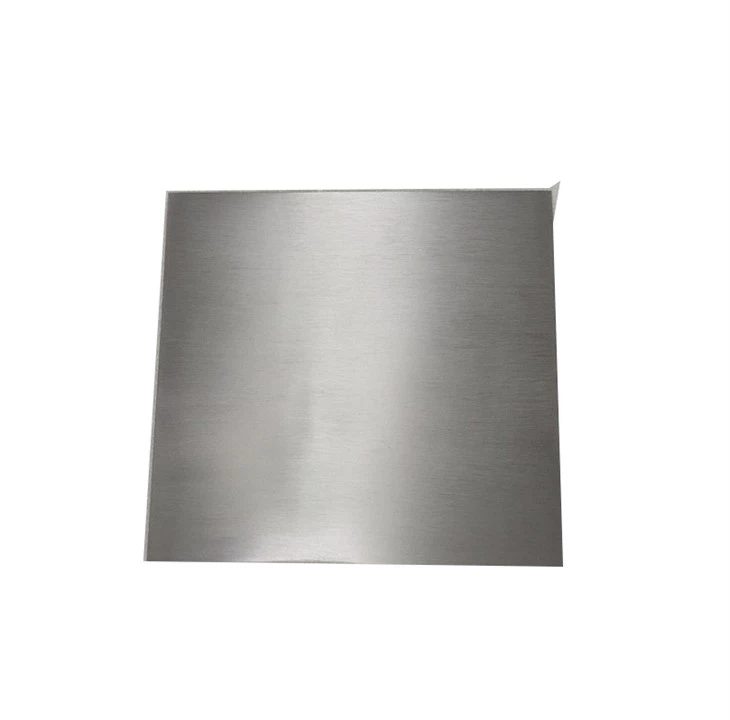
In addition to their corrosion resistance and mechanical strength, tantalum plates are also highly resistant to pitting and crevice corrosion. Pitting and crevice corrosion are common problems in acid environments, where small areas of the metal surface can become exposed to the acid and start to corrode at an accelerated rate. However, due to the protective oxide layer on tantalum, these types of corrosion are much less likely to occur. This means that tantalum plates can provide long-term performance and reliability in acid applications.
Now, let's talk about some real-world applications of tantalum plates in acid environments. One of the most common uses is in chemical processing plants. In these facilities, acids are used in a variety of processes, from refining metals to producing pharmaceuticals. Tantalum plates are often used to line reaction vessels, pipes, and other equipment that comes into contact with acids. By using tantalum plates, these facilities can ensure that their equipment lasts longer and operates more efficiently, reducing maintenance costs and downtime.
Another application is in the electronics industry. Tantalum is used in the production of capacitors, which are essential components in electronic devices. In the manufacturing process, acids are used to etch and clean the tantalum capacitors. Tantalum plates are used to create the electrodes and other parts of the capacitors, as they can withstand the acidic environment without being damaged. This helps to ensure the quality and reliability of the electronic devices.
So, if you're in the market for a material that can perform well in acid environments, I highly recommend considering tantalum plates. At [Our Company], we offer high-quality tantalum plates that are specifically designed for acid applications. Our plates are made from the purest tantalum and are manufactured using the latest technology to ensure the highest level of performance and reliability.
If you're interested in learning more about our tantalum plates or have any questions about how they can be used in your specific application, please don't hesitate to [Contact Us]. We'd be happy to discuss your needs and provide you with a quote. You can also check out our website for more information about our Tantalum Plate.
In conclusion, tantalum plates are an excellent choice for acid environments due to their corrosion resistance, mechanical strength, and resistance to pitting and crevice corrosion. Whether you're in the chemical processing, electronics, or any other industry that deals with acids, tantalum plates can provide the performance and reliability you need. So, why wait? Contact us today and let us help you find the perfect tantalum plates for your application.
References
- “Tantalum - Properties, Applications, and History.” Periodic Table.
- “Corrosion Resistance of Tantalum in Chemical Environments.” Journal of Corrosion Science.
- “Tantalum in the Electronics Industry: A Review.” Electronics Journal.
Send Inquiry