





How does titanium wire perform in high - temperature environments?
Oct 22, 2025
Leave a message
Titanium wire is a remarkable material that has found its way into numerous industries due to its unique properties. One of the most critical aspects of its performance is how it behaves in high - temperature environments. As a titanium wire supplier, I have witnessed firsthand the importance of understanding these characteristics for our customers, whether they are in aerospace, automotive, or other high - end manufacturing sectors.
Thermal Stability of Titanium Wire
Titanium wire exhibits excellent thermal stability at high temperatures. Unlike many other metals, titanium has a relatively high melting point, around 1668°C (3034°F). This high melting point allows it to maintain its structural integrity in extreme heat. When exposed to high - temperature environments, titanium wire does not deform or melt easily, which is crucial for applications where the material needs to withstand intense heat without losing its shape or strength.
In addition to its high melting point, titanium wire also has a low coefficient of thermal expansion. This means that as the temperature rises, the wire expands at a relatively slow rate compared to other metals. For example, steel has a significantly higher coefficient of thermal expansion than titanium. In applications where precise dimensions are required, such as in the aerospace industry for components like engine parts, the low thermal expansion of titanium wire is a major advantage. It helps to ensure that the parts maintain their accuracy and fit, even under extreme temperature fluctuations.
Oxidation Resistance
Another key property of titanium wire in high - temperature environments is its oxidation resistance. When exposed to oxygen at high temperatures, many metals form oxides on their surfaces, which can lead to corrosion and degradation of the material. Titanium, however, forms a thin, protective oxide layer on its surface when heated in the presence of oxygen. This oxide layer acts as a barrier, preventing further oxidation of the underlying metal.

This oxidation resistance is particularly important in applications where the wire is exposed to high - temperature and high - oxygen environments, such as in combustion chambers or exhaust systems. For instance, in the automotive industry, titanium wire can be used in exhaust components. The protective oxide layer helps to prevent the wire from corroding and failing due to the high - temperature and oxygen - rich environment in the exhaust system, thereby increasing the lifespan of the components.
Mechanical Properties at High Temperatures
Titanium wire retains good mechanical properties even at high temperatures. It has high strength - to - weight ratio, which remains relatively stable as the temperature increases. This makes it an ideal material for applications where both strength and light weight are required, such as in aircraft structures.
At elevated temperatures, titanium wire can maintain its tensile strength and ductility. Tensile strength is the maximum stress that a material can withstand while being stretched or pulled before breaking. Ductility refers to the ability of a material to deform under tensile stress without fracturing. These properties are crucial for applications where the wire may be subjected to mechanical forces at high temperatures, such as in turbine blades or heat exchangers.
Applications in High - Temperature Environments
The unique properties of titanium wire in high - temperature environments make it suitable for a wide range of applications. In the aerospace industry, it is used in engine components, such as compressor blades and turbine disks. These components are exposed to extremely high temperatures during operation, and the high - temperature performance of titanium wire ensures their reliability and safety.
In the energy sector, titanium wire is used in power generation plants, especially in high - temperature heat exchangers. Heat exchangers are used to transfer heat between two fluids, and they often operate at high temperatures. The oxidation resistance and thermal stability of titanium wire make it an excellent choice for these applications, as it can withstand the harsh conditions and ensure efficient heat transfer.
In the medical field, although not typically associated with high - temperature applications at first glance, titanium wire can be used in some high - temperature sterilization processes. The wire's ability to maintain its properties under high - temperature conditions ensures that it can be sterilized effectively without being damaged, making it suitable for use in medical devices.
Our Product Offerings
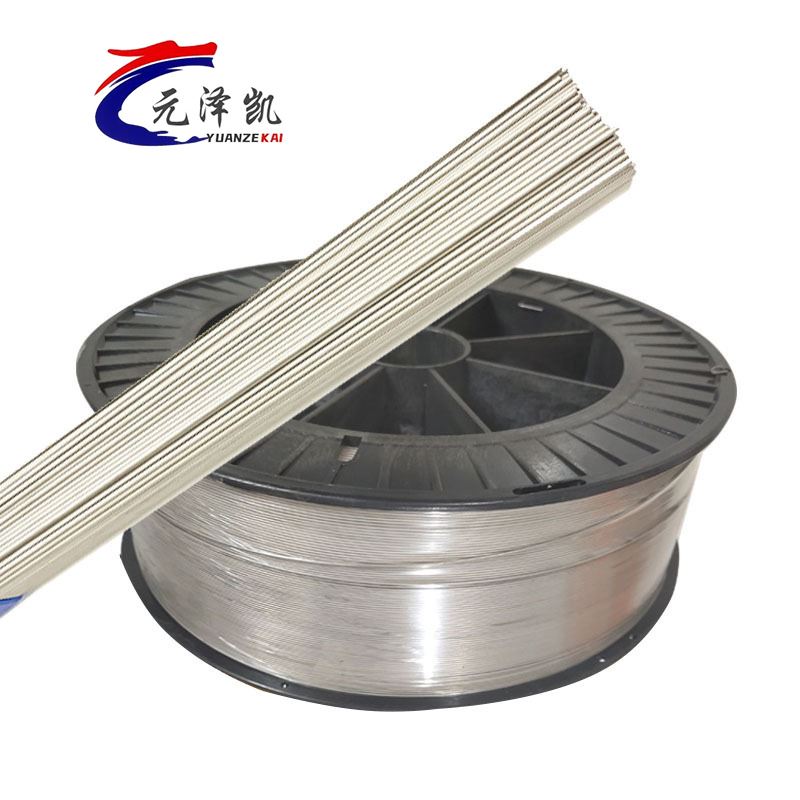
As a titanium wire supplier, we offer a wide range of titanium wire products suitable for high - temperature applications. Our Nickle Titanium Alloy Wire 0.5mm is known for its excellent shape memory properties and can also perform well in high - temperature environments. The nickel - titanium alloy combination enhances the wire's performance, making it suitable for various high - end applications.
Our ErTi Titanium Welding Wire is specifically designed for welding titanium components. It has good weldability and can withstand high temperatures during the welding process and in subsequent high - temperature service. This wire is widely used in industries where titanium components need to be joined together, such as in the manufacturing of aerospace and automotive parts.
We also offer 15333 Titanium Alloy Plate For Eyeglass Frames. Although eyeglass frames are not typically exposed to extremely high temperatures, the titanium alloy used in these plates has excellent overall properties, including good resistance to mild heat and corrosion. This makes the frames durable and long - lasting.
Conclusion
In conclusion, titanium wire performs exceptionally well in high - temperature environments. Its high melting point, low coefficient of thermal expansion, oxidation resistance, and good mechanical properties at high temperatures make it a valuable material for a wide range of industries. Whether it is in aerospace, automotive, energy, or medical applications, titanium wire can meet the demanding requirements of high - temperature operations.
If you are interested in learning more about our titanium wire products or have specific requirements for high - temperature applications, we invite you to contact us for a detailed discussion. Our team of experts is ready to assist you in finding the right titanium wire solution for your needs.
References
-ASM Handbook Volume 2: Properties and Selection: Nonferrous Alloys and Special - Purpose Materials. ASM International.
-Titanium: A Technical Guide. John R. Davis, ASM International.
- "High - Temperature Properties of Titanium Alloys" by various authors in Journal of Materials Science.
Send Inquiry