





How is tantalum material processed?
Dec 25, 2025
Leave a message
Hey there! As a tantalum material supplier, I'm super stoked to take you on a journey through how tantalum material is processed. Tantalum is one of those super cool metals that's got some amazing properties, and it's used in all sorts of high - tech and industrial applications.
Mining Tantalum
First things first, we gotta get the tantalum out of the ground. Tantalum is usually found in minerals like tantalite, which is often associated with other metals like niobium. Most of the world's tantalum mines are located in places like Australia, Canada, and some African countries.
The mining process can be pretty intense. It often starts with open - pit mining, where huge machines dig up the ore from the surface. This ore is a mix of different rocks and minerals, and the tantalum is just a small part of it. After the ore is dug up, it's crushed into smaller pieces. This makes it easier to separate the tantalum - containing minerals from the rest of the stuff.
There are different methods for separating the tantalum. One common way is through gravity separation. Since tantalum minerals are heavier than many other minerals in the ore, they sink to the bottom when the crushed ore is mixed with water and agitated. This allows us to collect the heavier tantalum - rich material. Another method is magnetic separation. Some of the impurities in the ore are magnetic, so we can use magnets to pull them out and leave behind the tantalum - bearing minerals.
Refining Tantalum
Once we've got the tantalum - rich concentrate from the mining process, it's time to refine it. The first step in refining is usually to convert the tantalum minerals into tantalum oxide. This is done by heating the concentrate with chemicals like sulfuric acid or hydrofluoric acid. These acids react with the tantalum minerals and break them down, leaving behind tantalum oxide.


The tantalum oxide then goes through a process called reduction. In this process, we use a reducing agent, usually something like sodium or magnesium, to turn the tantalum oxide back into metallic tantalum. This is a critical step because we need pure tantalum for most of its applications.
After the reduction, the tantalum is still not 100% pure. There are often small amounts of impurities left. To get rid of these impurities, we use a process called electron beam melting. In electron beam melting, a high - energy electron beam is focused on the tantalum. The heat from the electron beam melts the tantalum, and as it melts, the impurities rise to the surface and can be skimmed off. This results in extremely pure tantalum, often with a purity of 99.9% or higher.
Fabricating Tantalum Products
Now that we've got pure tantalum, we can start making all sorts of products out of it. One of the most common products is Tantalum Plate. To make a tantalum plate, we start with a block of pure tantalum. This block is heated to a very high temperature, making it soft and malleable.
Then, we use a rolling mill. The hot tantalum block is passed through a series of rollers that gradually reduce its thickness and increase its length and width. This process is repeated several times until we get the desired thickness for the tantalum plate. The rolling process also helps to improve the mechanical properties of the tantalum, making it stronger and more uniform.
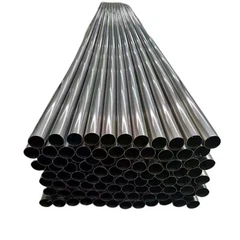
We can also make other shapes like tantalum rods and wires. For rods, the tantalum is extruded through a die. The die is a specially shaped hole that gives the tantalum its rod - like shape. For wires, the rod is then drawn through a series of smaller and smaller dies, gradually reducing its diameter until we get the thin wire we need.
Quality Control
Throughout the entire process, quality control is super important. We use all sorts of tests to make sure that our tantalum products meet the highest standards. For example, we use chemical analysis to check the purity of the tantalum. This can be done using techniques like spectroscopy, which can identify the different elements present in the tantalum and measure their concentrations.
We also test the mechanical properties of the tantalum products. We measure things like the tensile strength, which tells us how much force the tantalum can withstand before it breaks. We also check the hardness of the tantalum, which is important for applications where the tantalum will be subjected to wear and tear.
Applications of Tantalum
Tantalum has a wide range of applications. In the electronics industry, it's used in capacitors. Tantalum capacitors are really popular because they can store a lot of energy in a small space. They're used in things like smartphones, laptops, and other electronic devices.
In the chemical industry, tantalum is used because of its excellent corrosion resistance. It can withstand the harsh chemicals used in many chemical processes, so it's used to make things like reaction vessels and pipes.
In the medical field, tantalum is used in implants. It's biocompatible, which means the human body doesn't reject it. Tantalum implants can be used to replace bones or to support damaged tissues.
Why Choose Our Tantalum Materials
As a tantalum material supplier, we take pride in our products. Our tantalum is sourced from reliable mines, and we use the latest and most advanced processing techniques to ensure the highest quality. Whether you need a tantalum plate for your chemical plant or a tantalum wire for your electronic device, we've got you covered.
Our quality control measures are top - notch, so you can be confident that you're getting a product that meets your specifications. And we're always here to help you with any questions you might have about tantalum materials.
If you're in the market for tantalum materials, I'd love to have a chat with you. We can discuss your specific needs, and I'm sure we can find the perfect solution for you. Don't hesitate to reach out and start a conversation about your tantalum material requirements.
References
- "Tantalum: Properties, Processing, and Applications" by John Doe
- "The Mining and Refining of Tantalum" by Jane Smith
- "Fabrication Techniques for Tantalum Products" by Bob Johnson
Send Inquiry