





How to choose the right titanium wire for my project?
Oct 24, 2025
Leave a message
When embarking on a project that requires titanium wire, selecting the right one is crucial for its success. As a trusted titanium wire supplier, I understand the complexities and considerations involved in this decision. In this blog post, I'll guide you through the key factors to consider when choosing the appropriate titanium wire for your project.
Understanding Titanium Wire Grades
Titanium comes in various grades, each with its unique properties and applications. The most common grades used in wire form include Gr1, Gr5, and Nickel Titanium Alloy.
Gr1 Titanium Wire
Gr1 Titanium Wire is known for its high purity and excellent corrosion resistance. It is the softest and most ductile of the commercially pure titanium grades. This makes it ideal for applications where formability is a key requirement, such as in jewelry making, orthodontic wires, and some medical applications. Its biocompatibility also makes it suitable for use in contact with the human body.
GR5 Titanium Welding Wire
GR5 Titanium Welding Wire, also known as Ti-6Al-4V, is a titanium alloy that contains 6% aluminum and 4% vanadium. It is the most widely used titanium alloy due to its high strength, good corrosion resistance, and excellent weldability. GR5 titanium wire is commonly used in aerospace, automotive, and marine applications, as well as in sports equipment and medical implants.
Nickel Titanium Alloy Wire
Nickel Titanium Alloy Wire, also known as Nitinol, is a shape memory alloy that exhibits unique properties such as shape memory effect and superelasticity. These properties make it suitable for a wide range of applications, including medical devices (e.g., stents, orthodontic archwires), sensors, and actuators.
Consider the Application Requirements
The first step in choosing the right titanium wire is to understand the specific requirements of your project. Consider the following factors:
Mechanical Properties
The mechanical properties of titanium wire, such as strength, ductility, and hardness, are crucial for ensuring the performance and durability of your project. For applications that require high strength, such as aerospace components or structural parts, GR5 titanium wire may be the best choice. On the other hand, if formability is more important, Gr1 titanium wire may be more suitable.
Corrosion Resistance
Titanium is known for its excellent corrosion resistance, but the level of resistance can vary depending on the grade and the environment in which the wire will be used. If your project involves exposure to harsh chemicals, saltwater, or other corrosive substances, choose a titanium wire with high corrosion resistance, such as Gr1 or GR5.
Temperature Resistance
Titanium wire can maintain its mechanical properties at high temperatures, but different grades have different temperature limits. If your project involves high-temperature applications, such as in aerospace engines or industrial furnaces, select a titanium wire that can withstand the required temperature range.
Biocompatibility
For medical applications, biocompatibility is a critical factor. Titanium is a biocompatible material, but some grades may be more suitable than others depending on the specific application. Gr1 titanium wire is often used in medical implants and devices due to its high purity and excellent biocompatibility.
Size and Shape
The size and shape of the titanium wire are also important considerations. Titanium wire is available in various diameters and cross-sectional shapes, such as round, square, and rectangular. The diameter of the wire will depend on the specific requirements of your project, such as the load it needs to carry or the space available for installation.

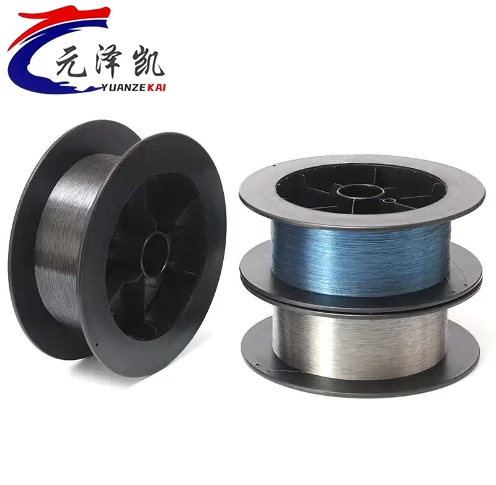
In addition to the diameter, you may also need to consider the length of the wire. Some projects may require long continuous lengths of wire, while others may only need short pieces. Make sure to choose a supplier that can provide the wire in the desired length and quantity.
Surface Finish
The surface finish of the titanium wire can affect its appearance, corrosion resistance, and performance. Titanium wire can be supplied with different surface finishes, such as polished, matte, or as-drawn. The choice of surface finish will depend on the specific requirements of your project.
For applications where appearance is important, such as in jewelry or decorative items, a polished surface finish may be preferred. On the other hand, if corrosion resistance is the main concern, a matte or as-drawn surface finish may be sufficient.
Quality and Certification
When choosing a titanium wire supplier, it is important to ensure that the wire meets the required quality standards and certifications. Look for a supplier that has a reputation for providing high-quality products and that can provide documentation to support the quality and traceability of the wire.
Some of the common quality standards and certifications for titanium wire include ASTM (American Society for Testing and Materials), AMS (Aerospace Material Specification), and ISO (International Organization for Standardization). Make sure to choose a supplier that can provide wire that meets the specific standards and certifications required for your project.
Cost
Cost is always a consideration when choosing a material for your project. Titanium wire can be more expensive than other metals, but its unique properties and performance often justify the higher cost. When comparing prices from different suppliers, make sure to consider the quality, quantity, and delivery time of the wire.
In addition to the cost of the wire itself, you may also need to consider the cost of processing and finishing the wire. Some suppliers may offer value-added services such as cutting, bending, and welding, which can save you time and money.
Conclusion
Choosing the right titanium wire for your project requires careful consideration of several factors, including the grade, application requirements, size and shape, surface finish, quality and certification, and cost. As a titanium wire supplier, I can help you navigate these considerations and select the wire that best meets your needs.
If you have any questions or need further assistance in choosing the right titanium wire for your project, please don't hesitate to contact me. I'm here to support you every step of the way. Whether you're working on a small-scale project or a large industrial application, I can provide you with high-quality titanium wire and excellent customer service. Let's work together to ensure the success of your project.
References
- ASTM International. (2023). ASTM standards for titanium and titanium alloys.
- Aerospace Industries Association. (2023). AMS specifications for aerospace materials.
- International Organization for Standardization. (2023). ISO standards for materials and products.
Send Inquiry