





What is the heat transfer coefficient of titanium elbows?
Jan 16, 2026
Leave a message
The heat transfer coefficient is a crucial parameter in the field of heat transfer, which measures the ability of a material to transfer heat. When it comes to titanium elbows, understanding their heat transfer coefficient is of great significance for various engineering applications. As a reliable titanium elbow supplier, I am here to share some insights on this important topic.
What is the Heat Transfer Coefficient?
The heat transfer coefficient, denoted as h, is defined as the rate of heat transfer per unit area per unit temperature difference between the fluid and the solid surface. It is expressed in units of W/(m²·K) in the SI system. A higher heat transfer coefficient indicates that the material can transfer heat more efficiently.
The heat transfer coefficient is influenced by several factors, including the properties of the fluid (such as density, viscosity, thermal conductivity), the flow regime (laminar or turbulent), the geometry of the surface, and the properties of the solid material. In the case of titanium elbows, the heat transfer coefficient is affected by the unique properties of titanium, such as its high thermal conductivity, low density, and excellent corrosion resistance.
Factors Affecting the Heat Transfer Coefficient of Titanium Elbows
1. Titanium Material Properties
Titanium is known for its relatively high thermal conductivity compared to many other metals. The thermal conductivity of titanium varies depending on its alloy composition and temperature. For example, pure titanium (Grade 1) has a thermal conductivity of about 17 W/(m·K) at room temperature. This relatively high thermal conductivity allows titanium elbows to transfer heat effectively.
In addition to thermal conductivity, the surface finish of the titanium elbow also plays a role in heat transfer. A smooth surface can reduce the resistance to heat transfer, resulting in a higher heat transfer coefficient. Our company ensures high - quality surface finishing of titanium elbows to optimize their heat transfer performance.
2. Fluid Flow Conditions
The flow of the fluid inside the titanium elbow has a significant impact on the heat transfer coefficient. In laminar flow, the fluid moves in parallel layers, and the heat transfer is mainly by conduction within the fluid. In this case, the heat transfer coefficient is relatively low. As the flow becomes turbulent, the mixing of the fluid increases, which enhances the convective heat transfer and leads to a higher heat transfer coefficient.
The velocity of the fluid is another important factor. Higher fluid velocities generally result in higher heat transfer coefficients because they increase the convective heat transfer rate. However, extremely high velocities may also cause increased pressure drop, which needs to be considered in the design of the heat transfer system.
3. Elbow Geometry
The geometry of the titanium elbow, such as the bend radius and the angle of the bend, can affect the flow pattern of the fluid and thus the heat transfer coefficient. A smaller bend radius may cause more significant flow separation and turbulence, which can increase the heat transfer coefficient in some cases. However, it may also lead to higher pressure drop.
Measuring the Heat Transfer Coefficient of Titanium Elbows
Measuring the heat transfer coefficient of titanium elbows accurately is a complex task that requires specialized experimental setups. One common method is the use of a heat exchanger test rig. In this setup, a fluid is passed through the titanium elbow, and the temperature difference between the inlet and outlet of the fluid, as well as the heat input or output, are measured.
By applying the heat transfer equations, such as Newton's law of cooling (Q = hAΔT, where Q is the heat transfer rate, A is the surface area, and ΔT is the temperature difference), the heat transfer coefficient can be calculated. However, it should be noted that the measured heat transfer coefficient may vary depending on the specific experimental conditions.
Applications of Titanium Elbows Based on Heat Transfer Coefficient
1. Chemical Industry
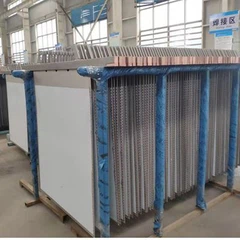
In the chemical industry, titanium elbows are widely used in heat exchangers. Due to their excellent corrosion resistance and relatively high heat transfer coefficient, they can be used to transfer heat between corrosive fluids and other substances. For example, in the production of certain chemicals where corrosive acids are involved, titanium elbows can ensure long - term and efficient heat transfer.
2. Power Generation
In power generation plants, especially in nuclear power plants and some advanced fossil - fuel power plants, titanium elbows are used in the cooling systems. Their ability to transfer heat effectively helps to maintain the proper operating temperature of the equipment, improving the overall efficiency and safety of the power generation process.
Our Titanium Elbow Products and Their Heat Transfer Performance
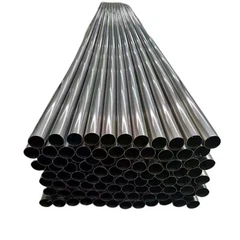
As a professional titanium elbow supplier, we offer a wide range of titanium elbows with different grades and specifications. Our products include elbows made from SB 338 Gr2 Titanium Tubes, Gr12 Titanium Tube, and Titanium Square Tube.
We ensure strict quality control during the manufacturing process to guarantee the optimal heat transfer performance of our titanium elbows. Our manufacturing techniques, such as precision machining and proper heat treatment, help to maintain the integrity of the titanium material and enhance its heat transfer properties.


Contact Us for Purchase and Negotiation
If you are interested in our titanium elbows and want to learn more about their heat transfer coefficient and other performance parameters, or if you have specific requirements for your heat transfer applications, please feel free to contact us. We are committed to providing you with high - quality products and professional technical support. Our team of experts can assist you in selecting the most suitable titanium elbows for your projects based on your heat transfer needs.
References
- Incropera, F. P., DeWitt, D. P., Bergman, T. L., & Lavine, A. S. (2007). Fundamentals of Heat and Mass Transfer. Wiley.
- Holman, J. P. (2010). Heat Transfer. McGraw - Hill.
- Ti - Industry: A Technical Guide to Titanium. Titanium Information Group.
Send Inquiry