





What is the impact resistance of a titanium rod?
Dec 09, 2025
Leave a message
When it comes to materials known for their exceptional strength and durability, titanium stands out as a top contender. As a leading titanium rod supplier, I've witnessed firsthand the remarkable properties of titanium rods, particularly their impact resistance. In this blog post, I'll delve into the concept of impact resistance in titanium rods, exploring what it means, how it's measured, and why it matters in various applications.
Understanding Impact Resistance
Impact resistance refers to a material's ability to withstand sudden, high - force impacts without fracturing, breaking, or undergoing significant deformation. In the case of titanium rods, this property is crucial as they are often used in environments where they may be subjected to shock loads, collisions, or sudden impacts.
Titanium's high impact resistance can be attributed to its unique atomic structure and mechanical properties. Titanium has a hexagonal close - packed (HCP) crystal structure at room temperature, which provides it with excellent ductility and toughness. Ductility allows the material to deform plastically under stress, absorbing energy during an impact rather than shattering immediately. This plastic deformation helps to dissipate the energy of the impact, reducing the risk of catastrophic failure.
Measuring Impact Resistance
There are several methods used to measure the impact resistance of materials, and two of the most common ones are the Charpy impact test and the Izod impact test.
The Charpy impact test involves striking a notched specimen of the material with a pendulum hammer. The specimen is held in a horizontal position, and the hammer is released from a specific height. The energy absorbed by the specimen during the impact is measured, which gives an indication of its impact toughness. A higher energy absorption value means the material has better impact resistance.
The Izod impact test is similar to the Charpy test, but the specimen is held in a vertical position and is struck by the hammer at the free end. Like the Charpy test, the energy absorbed by the specimen is measured to assess its impact resistance.
For titanium rods, these tests are typically conducted on samples taken from the rod to ensure that the material meets the required standards for impact resistance. The results of these tests can vary depending on factors such as the grade of titanium, the manufacturing process, and the heat treatment applied to the rod.

Factors Affecting the Impact Resistance of Titanium Rods
Titanium Grade
There are different grades of titanium, each with its own unique properties and composition. For example, ASTM B348 gr5 Titanium Bar is one of the most widely used grades of titanium. Grade 5 titanium, also known as Ti - 6Al - 4V, contains 6% aluminum and 4% vanadium. This alloy offers a good combination of strength, corrosion resistance, and impact resistance. Other grades, such as Grade 2 titanium, which is commercially pure titanium, have different properties. Commercially pure titanium is more ductile but may have lower strength compared to alloyed grades. The choice of grade depends on the specific application requirements, and the impact resistance can vary significantly between different grades. You can find more information about ASTM B348 gr5 Titanium Bar on our website ASTM B348 gr5 Titanium Bar.
Manufacturing Process
The way titanium rods are manufactured can also affect their impact resistance. Processes such as forging, rolling, and extrusion can influence the grain structure of the titanium. A fine - grained structure generally provides better impact resistance compared to a coarse - grained structure. Forging, for example, can refine the grain structure of the titanium, improving its mechanical properties, including impact resistance.
Heat Treatment
Heat treatment is another important factor. Proper heat treatment can optimize the microstructure of the titanium rod, enhancing its strength and impact resistance. Annealing, for instance, can relieve internal stresses in the rod and improve its ductility, which in turn can increase its impact resistance. On the other hand, improper heat treatment can lead to a decrease in impact resistance due to the formation of brittle phases or an undesirable grain structure.
Applications of Titanium Rods Based on Impact Resistance
Aerospace Industry
In the aerospace industry, titanium rods are used in a variety of applications where impact resistance is crucial. For example, they are used in the construction of aircraft landing gear. The landing gear is subjected to high - impact forces during takeoff and landing. Titanium's excellent impact resistance ensures that the landing gear can withstand these forces without failing, providing a high level of safety for the aircraft and its passengers.
Automotive Industry
In the automotive sector, titanium rods can be used in high - performance engines and suspension systems. In engines, they may be used as connecting rods. The connecting rods need to withstand the high - speed reciprocating motion and the associated impact forces. Titanium's impact resistance and high strength - to - weight ratio make it an ideal material for these applications, as it can reduce the weight of the engine while maintaining its durability.
Marine Industry
In the marine environment, titanium rods are used in applications where they may be exposed to harsh conditions and impact loads. For example, they can be used in the construction of ship hulls, propeller shafts, and other marine components. The high impact resistance of titanium helps these components withstand the impact of waves, collisions with floating objects, and other external forces, ensuring the long - term reliability of the marine structures.
Comparison with Other Materials
When compared to other materials such as steel and aluminum, titanium rods offer several advantages in terms of impact resistance.
Steel is a strong material, but it is relatively heavy. In applications where weight is a critical factor, such as in aerospace and automotive industries, the high strength - to - weight ratio of titanium makes it a more attractive option. Additionally, titanium has better corrosion resistance than steel, which can also contribute to its long - term durability in harsh environments.
Aluminum is lightweight, but it generally has lower impact resistance compared to titanium. Aluminum may deform more easily under impact loads, which can lead to premature failure in applications where high - impact resistance is required.
Our Offerings as a Titanium Rod Supplier
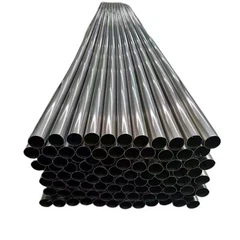
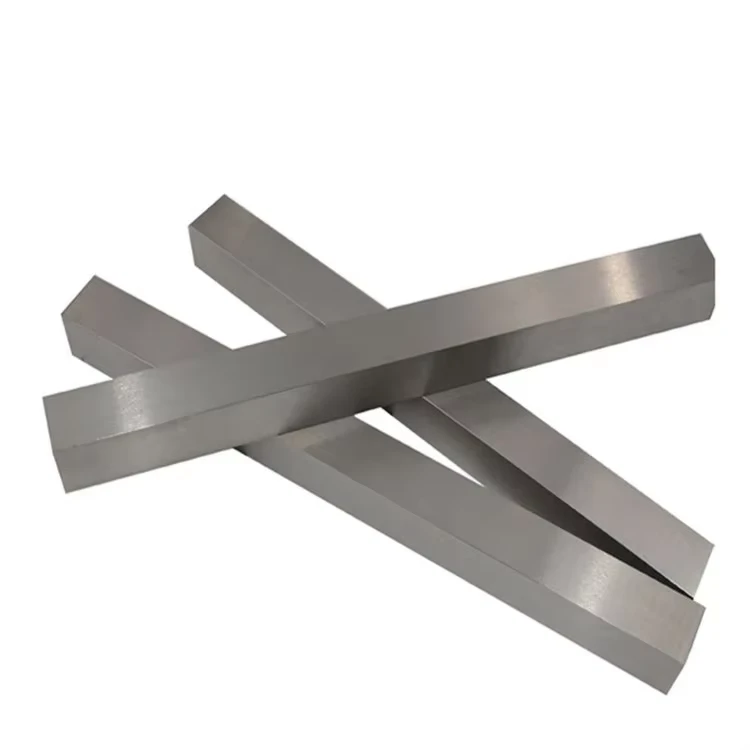
As a titanium rod supplier, we offer a wide range of titanium rods with different grades, sizes, and shapes. Our product portfolio includes Titanium Square Bar and Titanium Hex Bars, which are available in various dimensions to meet the diverse needs of our customers.
We ensure that all our titanium rods meet the highest quality standards for impact resistance and other mechanical properties. Our manufacturing processes are carefully controlled, and we conduct rigorous testing on our products to guarantee their performance. Whether you need titanium rods for aerospace, automotive, marine, or other applications, we can provide you with the right solution.
Contact Us for Procurement
If you are in the market for high - quality titanium rods with excellent impact resistance, we encourage you to contact us. Our team of experts can provide you with detailed information about our products, assist you in selecting the right grade and size of titanium rod for your application, and offer competitive pricing. We are committed to providing our customers with the best products and services, and we look forward to working with you on your next project.
References
- ASM Handbook Volume 1: Properties and Selection: Irons, Steels, and High - Performance Alloys.
- Titanium: A Technical Guide, Second Edition by John C. Williams.
- ASTM International Standards for Titanium and Titanium Alloys.
Send Inquiry