





What is the torsional strength of a titanium rod?
Jul 28, 2025
Leave a message
Torsional strength is a crucial mechanical property that measures a material's ability to withstand twisting forces without failing. When it comes to titanium rods, understanding their torsional strength is essential for various applications, from aerospace engineering to medical implants. As a trusted titanium rod supplier, I've witnessed firsthand the importance of this property in ensuring the reliability and performance of our products. In this blog post, I'll delve into the concept of torsional strength, explore how it applies to titanium rods, and discuss the factors that influence it.
Understanding Torsional Strength
Torsional strength refers to the maximum amount of torque a material can withstand before it fractures or undergoes permanent deformation. When a torque is applied to a rod, it causes the rod to twist around its axis. The torsional strength of a rod is determined by its material properties, cross-sectional shape, and dimensions.
To calculate the torsional strength of a rod, engineers use the following formula:
[ \tau_{max} = \frac{T \cdot r}{J} ]
Where:
- (\tau_{max}) is the maximum shear stress (torsional strength)
- (T) is the applied torque
- (r) is the radius of the rod
- (J) is the polar moment of inertia, which depends on the cross-sectional shape of the rod
Torsional Strength of Titanium Rods
Titanium is a highly desirable material for rods due to its excellent combination of strength, low density, and corrosion resistance. The torsional strength of titanium rods can vary depending on the specific titanium alloy used, the manufacturing process, and the rod's dimensions.
One of the most common titanium alloys used in rod manufacturing is Grade 5 titanium (Ti-6Al-4V). This alloy offers high strength, good ductility, and excellent corrosion resistance, making it suitable for a wide range of applications. Grade 5 titanium rods typically have a torsional strength in the range of 450 - 600 MPa, depending on the specific heat treatment and manufacturing process.
Another popular titanium alloy is Grade 1 titanium, which is known for its high purity and excellent formability. While Grade 1 titanium rods have a lower strength compared to Grade 5, they still offer good torsional strength and are often used in applications where corrosion resistance and biocompatibility are critical, such as medical implants.


Factors Affecting Torsional Strength
Several factors can influence the torsional strength of titanium rods:
- Alloy Composition: Different titanium alloys have different mechanical properties, including torsional strength. As mentioned earlier, Grade 5 titanium offers higher strength compared to Grade 1 titanium.
- Heat Treatment: Heat treatment can significantly affect the mechanical properties of titanium rods. Proper heat treatment can improve the strength and hardness of the rod, thereby increasing its torsional strength.
- Manufacturing Process: The manufacturing process used to produce the titanium rod can also impact its torsional strength. For example, rods produced by hot rolling or forging may have better mechanical properties compared to those produced by cold drawing.
- Rod Dimensions: The diameter and length of the rod can also affect its torsional strength. Generally, thicker rods have higher torsional strength compared to thinner rods.
Applications of Titanium Rods Based on Torsional Strength
The high torsional strength of titanium rods makes them suitable for a wide range of applications:
- Aerospace Engineering: In the aerospace industry, titanium rods are used in various components, such as landing gear, engine mounts, and structural parts. The high torsional strength of titanium rods ensures that these components can withstand the high stresses and loads encountered during flight.
- Medical Implants: Titanium is a biocompatible material, making it ideal for medical implants. Titanium rods are used in orthopedic applications, such as bone fixation and spinal fusion. The torsional strength of these rods is crucial to ensure their stability and long-term performance in the human body.
- Automotive Industry: Titanium rods are also used in the automotive industry, particularly in high-performance engines and suspension systems. The high torsional strength of titanium rods helps to improve the overall performance and reliability of these components.
Our Titanium Rod Products
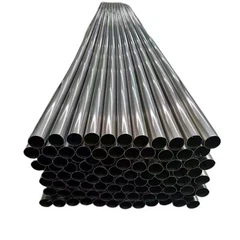
As a leading titanium rod supplier, we offer a wide range of titanium rods to meet the diverse needs of our customers. Our product portfolio includes Gr1 Titanium Polished Round Bars, which are made from high-purity Grade 1 titanium and offer excellent corrosion resistance and biocompatibility. We also offer Titanium Shaped Titanium Rod, which are available in various shapes and sizes to meet specific application requirements. Additionally, our Titanium Alloy Bar made from Grade 5 titanium offer high strength and excellent mechanical properties.
Conclusion
Torsional strength is a critical property of titanium rods, as it determines their ability to withstand twisting forces without failing. Understanding the torsional strength of titanium rods is essential for selecting the right material and design for specific applications. As a titanium rod supplier, we are committed to providing high-quality products that meet the highest standards of performance and reliability. If you have any questions about our titanium rod products or need assistance in selecting the right rod for your application, please don't hesitate to contact us. We look forward to discussing your requirements and providing you with the best solutions.
References
- Callister, W. D., & Rethwisch, D. G. (2011). Materials Science and Engineering: An Introduction. Wiley.
- ASM Handbook Committee. (1994). ASM Handbook Volume 2: Properties and Selection: Nonferrous Alloys and Special-Purpose Materials. ASM International.
Send Inquiry