

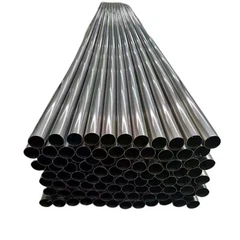


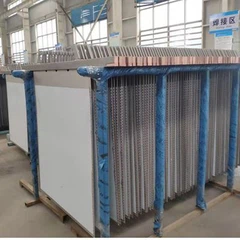


What is the weight of titanium equipment?
May 19, 2025
Leave a message
What is the weight of titanium equipment?
As a seasoned supplier of titanium equipment, I often encounter inquiries about the weight of our products. Understanding the weight of titanium equipment is crucial for various reasons, from transportation and installation to structural considerations and overall performance. In this blog post, I'll delve into the factors that influence the weight of titanium equipment and provide some insights into why it matters.
The Basics of Titanium
Titanium is a remarkable metal known for its high strength-to-weight ratio, excellent corrosion resistance, and biocompatibility. These properties make it an ideal material for a wide range of applications, including aerospace, medical, chemical processing, and marine industries. Compared to other metals like steel and aluminum, titanium offers superior strength while being significantly lighter.
The density of pure titanium is approximately 4.51 g/cm³, which is about 60% the density of steel (7.85 g/cm³) and slightly higher than that of aluminum (2.7 g/cm³). However, the actual weight of titanium equipment depends on several factors, including the specific alloy used, the design and dimensions of the equipment, and the manufacturing process.
Factors Affecting the Weight of Titanium Equipment
Alloy Composition
Titanium alloys are created by adding other elements such as aluminum, vanadium, and iron to pure titanium to enhance its properties. Different alloy compositions have different densities, which can affect the weight of the final product. For example, Ti-6Al-4V, one of the most commonly used titanium alloys, has a density of about 4.43 g/cm³, slightly lower than that of pure titanium. On the other hand, some high-strength titanium alloys may have a slightly higher density due to the presence of heavier alloying elements.
Design and Dimensions
The design and dimensions of the titanium equipment play a significant role in determining its weight. Complex designs with intricate shapes and features may require more material, resulting in a heavier product. Additionally, the size and thickness of the components also contribute to the overall weight. For instance, a large-scale Titanium Security Filter with a thick wall will weigh more than a smaller, thinner-walled filter.

Manufacturing Process
The manufacturing process used to produce the titanium equipment can also impact its weight. Processes such as casting, forging, and machining can introduce variations in the density and structure of the material. For example, forged titanium components are generally denser and stronger than cast components, which may result in a slightly heavier product. However, forging can also allow for more precise shaping and reduced material waste, which can offset the weight difference in some cases.

Importance of Knowing the Weight of Titanium Equipment
Transportation and Installation
The weight of titanium equipment is a critical factor in transportation and installation. Heavier equipment requires more robust transportation methods and may incur higher shipping costs. Additionally, during installation, the weight of the equipment must be considered to ensure that the supporting structure can safely bear the load. Knowing the weight in advance allows for proper planning and the selection of appropriate lifting and handling equipment.

Structural Considerations
In applications where the titanium equipment is part of a larger structure, the weight can have a significant impact on the overall structural integrity. For example, in aerospace applications, every gram of weight reduction can improve fuel efficiency and performance. Similarly, in chemical processing plants, the weight of the equipment must be carefully balanced to prevent overloading of the support structures and ensure safe operation.
Performance and Efficiency
The weight of titanium equipment can also affect its performance and efficiency. In some cases, a lighter equipment may offer better mobility and faster response times. For example, a Titanium Stirrer For Reactors with a lower weight can rotate more easily, reducing energy consumption and improving mixing efficiency. On the other hand, in applications where stability is crucial, a heavier equipment may be preferred to prevent vibration and ensure accurate operation.
Examples of Titanium Equipment Weights
To give you a better idea of the weight range of titanium equipment, here are some examples of common products:
- Titanium Security Filter: The weight of a titanium security filter can vary depending on its size, filtration area, and design. A small-scale filter with a diameter of 100 mm and a height of 200 mm may weigh around 1-2 kg, while a large industrial filter with a diameter of 500 mm and a height of 1000 mm can weigh up to 50 kg or more.
- Gr2 Pure Titanium Reactor: A Gr2 Pure Titanium Reactor is commonly used in chemical processing and pharmaceutical industries. The weight of a reactor depends on its volume, wall thickness, and additional features such as agitators and heating jackets. A small laboratory reactor with a volume of 1 liter may weigh around 5-10 kg, while a large industrial reactor with a volume of 10,000 liters can weigh several tons.
- Titanium Stirrer For Reactors: Titanium stirrers are used to mix and agitate the contents of reactors. The weight of a stirrer depends on its size, shape, and the number of blades. A small stirrer with a diameter of 50 mm and a length of 100 mm may weigh around 0.1-0.2 kg, while a large industrial stirrer with a diameter of 500 mm and a length of 1000 mm can weigh up to 10 kg or more.
Conclusion
In conclusion, the weight of titanium equipment is influenced by several factors, including alloy composition, design and dimensions, and manufacturing process. Understanding the weight of titanium equipment is essential for transportation, installation, structural considerations, and overall performance. As a supplier of titanium equipment, we are committed to providing our customers with accurate weight information and helping them select the right products for their specific needs.
If you are interested in purchasing titanium equipment or have any questions about our products, please feel free to contact us. We look forward to discussing your requirements and providing you with the best solutions.

References
- "Titanium: A Technical Guide" by Don Eylon
- "Metals Handbook: Properties and Selection: Nonferrous Alloys and Pure Metals" published by ASM International
Send Inquiry