





Can hub titanium nuts be reused?
Nov 27, 2025
Leave a message
Hey there! As a supplier of hub titanium nuts, I often get asked a really common question: "Can hub titanium nuts be reused?" Well, let's dive right into this topic and break it down.
First off, let's talk a bit about titanium. Titanium is an amazing material. It's super strong, yet lightweight, and it has excellent corrosion resistance. These properties make titanium nuts a popular choice in many industries, especially in automotive and aerospace applications. When it comes to hub nuts, they play a crucial role in securing wheels or other components in place.
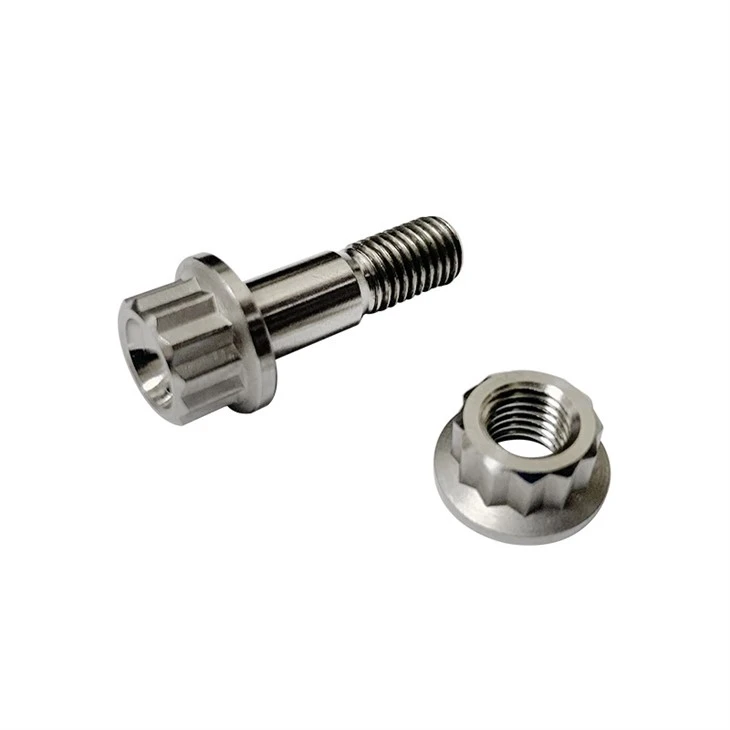

Now, the big question: can they be reused? The answer isn't a simple yes or no. It depends on several factors.
Condition of the Nut
The first thing you need to check is the condition of the titanium nut itself. If the nut shows signs of significant wear, such as stripped threads, cracks, or deformation, then it's a no - go for reuse. Stripped threads won't be able to provide the proper clamping force, and cracks or deformation can compromise the structural integrity of the nut. For example, if you've been using Titanium Gr5 Hex Nut M10 in a high - stress environment, and you notice that the threads are starting to look worn out after a few uses, it's time to replace it.
On the other hand, if the nut looks in good condition, with no visible damage to the threads or the body of the nut, it might be possible to reuse it. But you still need to be careful. Even if there's no obvious damage, there could be microscopic stress fractures or wear that you can't see with the naked eye.
Installation and Removal Process
How the nut was installed and removed also matters a lot. If the nut was tightened to the correct torque specification during installation and removed properly without using excessive force or improper tools, the chances of being able to reuse it are higher. For instance, if you're using Titanium Wheel Nut M14*1.50 on a vehicle, using a torque wrench to tighten it to the manufacturer's recommended torque is crucial. If you over - tighten the nut, it can cause the threads to stretch or damage the nut. Similarly, using a hammer or other inappropriate tools to remove the nut can also cause damage.
Application Environment
The environment in which the nut is used is another important factor. If the nut has been exposed to harsh chemicals, extreme temperatures, or high levels of vibration, it may have undergone some changes that make it unfit for reuse. For example, in an automotive application, if the hub nut has been constantly exposed to road salt and water, it could be at risk of corrosion, even though titanium is generally corrosion - resistant. In a high - vibration environment, like an engine or a helicopter rotor hub, the constant shaking can cause fatigue in the nut over time.
Inspection Before Reuse
If you're considering reusing a hub titanium nut, a thorough inspection is a must. Here's what you can do:
- Visual Inspection: Look closely at the nut for any visible signs of damage, such as cracks, dents, or worn - out threads. You can use a magnifying glass to get a better look.
- Thread Check: You can use a thread gauge to check if the threads are still in good condition. If the gauge doesn't fit properly, it's a sign that the threads are damaged.
- Torque Testing: If possible, you can perform a torque test on the nut. This can give you an idea of whether the nut is still able to provide the necessary clamping force.
Benefits of Reusing (When Appropriate)
If the hub titanium nut passes all the inspection tests and it's safe to reuse, there are some benefits. Reusing nuts can save you money, especially if you're using high - quality titanium nuts. It also reduces waste, which is good for the environment. For example, if you're a small automotive repair shop, reusing Titanium 12 Points Flange Nut that are still in good condition can cut down on your costs.
When to Replace
However, there are times when replacing the nut is the best option. If you're unsure about the condition of the nut, or if it's been used in a critical application where failure could have serious consequences, it's better to err on the side of caution and replace it. For example, in aerospace applications, where safety is of the utmost importance, it's common practice to replace critical fasteners after a certain number of uses or flight hours.
Conclusion
So, can hub titanium nuts be reused? It's possible, but it requires careful inspection and consideration of several factors. As a supplier, I always recommend following the manufacturer's guidelines and best practices. If you're not sure whether a nut can be reused, it's always a good idea to consult with a professional.
If you're in the market for high - quality hub titanium nuts, whether it's for a new project or to replace old ones, I'd love to talk to you. I can provide you with the best products and advice on how to use and maintain them. Feel free to reach out to start a conversation about your procurement needs.
References
- "Titanium Alloys: Properties, Processing, and Applications" - A comprehensive book on titanium alloys and their uses in various industries.
- Automotive repair manuals from major vehicle manufacturers, which often include guidelines on fastener reuse.
- Aerospace industry standards and regulations regarding fastener inspection and replacement.
Send Inquiry