





Do titanium elbows have good impact resistance?
Nov 27, 2025
Leave a message
Do titanium elbows have good impact resistance?
As a supplier of titanium elbows, I've encountered numerous inquiries about the impact resistance of these components. This is a crucial characteristic, especially in industries where pipes are subject to various forces and potential impacts. In this blog, I'll delve into the science behind titanium elbows' impact resistance, exploring their properties, applications, and how they stack up against other materials.
Understanding Titanium's Properties
Titanium is a remarkable metal known for its high strength - to - weight ratio, corrosion resistance, and biocompatibility. When it comes to impact resistance, its performance is influenced by several factors. First, let's look at its mechanical properties. Titanium has a relatively high yield strength, which means it can withstand a significant amount of stress before it starts to deform permanently.
The crystal structure of titanium also plays a vital role. It has a hexagonal close - packed (HCP) structure at room temperature, which gives it certain mechanical behaviors. This structure allows titanium to absorb energy during an impact event. When an impact occurs, the atoms in the titanium lattice can rearrange themselves to some extent, dissipating the energy of the impact.
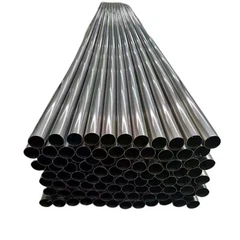
Another factor is the purity and alloying elements of titanium. Commercially pure titanium, such as ASTM B338 Gr2, is often used in the production of elbows. ASTM B338 Gr2 Seamless Heat Exchanger Titanium Tube is a prime example of a product made from this grade of titanium. Grade 2 titanium has good formability and corrosion resistance, and it also offers decent impact resistance. Alloying elements can be added to titanium to further enhance its properties. For example, some titanium alloys are designed to have higher strength and better impact resistance, making them suitable for more demanding applications.
Impact Resistance in Different Applications
Titanium elbows are used in a wide range of industries, each with its own set of impact - related challenges.
In the chemical processing industry, pipes are often exposed to harsh chemicals and high - pressure fluids. Titanium elbows' corrosion resistance is well - known, but their impact resistance is also important. For instance, during maintenance or in the event of a sudden pressure surge, the elbows may experience impacts. The ability of titanium to withstand these impacts without cracking or failing is crucial to prevent leaks and ensure the safety of the entire system.


In the automotive industry, Gr2 Titanium Exhaust Pipe and elbows are becoming increasingly popular. The exhaust system is subject to vibrations, road debris impacts, and thermal cycling. Titanium elbows can handle these conditions well. Their high strength - to - weight ratio means that they can be lighter than traditional steel elbows, which is beneficial for fuel efficiency. At the same time, they can resist the impacts from stones and other debris on the road, reducing the risk of damage to the exhaust system.
In the aerospace industry, weight is a critical factor. Titanium elbows are used in aircraft hydraulic systems and fuel lines. These components need to be lightweight but also able to withstand the high - energy impacts that can occur during flight, such as bird strikes or debris collisions. The impact resistance of titanium ensures the reliability and safety of these systems.
Comparing Titanium Elbows with Other Materials
When comparing titanium elbows with other materials like steel and aluminum, there are some notable differences in impact resistance.
Steel is a common material for pipes and elbows. It has high strength and good impact resistance, especially in high - carbon and alloy steels. However, steel is much heavier than titanium. In applications where weight is a concern, such as aerospace and automotive, the extra weight of steel can be a disadvantage. Additionally, steel is prone to corrosion in many environments, which can weaken the material over time and reduce its impact resistance.
Aluminum is another lightweight material. It has a lower density than titanium and is relatively easy to machine. However, aluminum generally has lower strength and impact resistance compared to titanium. Aluminum elbows may deform more easily under impact, which can lead to leaks or failures in the piping system.
Titanium strikes a good balance between weight, strength, and impact resistance. It offers comparable or better impact resistance than aluminum while being significantly lighter than steel. This makes it an attractive choice for many applications where both weight and impact performance are important.
Factors Affecting the Impact Resistance of Titanium Elbows
Several factors can affect the impact resistance of titanium elbows. The manufacturing process is one of them. Elbows that are formed through proper forging or extrusion processes tend to have better internal structure and, therefore, better impact resistance. Heat treatment can also play a role. Annealing, for example, can relieve internal stresses in the titanium, improving its ductility and impact resistance.
The wall thickness of the titanium elbow is another important factor. A thicker - walled elbow will generally have better impact resistance than a thinner - walled one. However, increasing the wall thickness also increases the weight and cost of the component. So, a balance needs to be struck between impact resistance, weight, and cost.
The surface finish of the elbow can also influence its impact resistance. A smooth surface finish can reduce stress concentrations, which are areas where the impact energy can be concentrated and cause cracking. Surface treatments, such as shot peening, can introduce compressive stresses on the surface, improving the elbow's resistance to impact - induced cracking.
Our Offerings as a Titanium Elbow Supplier
As a supplier of titanium elbows, we are committed to providing high - quality products with excellent impact resistance. Our Factory Sells High Quality Titanium Elbow range is carefully manufactured using the latest techniques and quality control measures.
We source the best - grade titanium materials, including ASTM B338 Gr2, to ensure that our elbows have the desired properties. Our manufacturing process involves strict quality checks at every stage, from material inspection to the final product testing. We perform impact tests on our elbows to ensure that they meet or exceed industry standards.
Whether you are in the chemical processing, automotive, aerospace, or any other industry that requires reliable piping components, our titanium elbows can offer the performance you need. We understand that each application has its own unique requirements, and we are willing to work with you to customize the elbows according to your specific needs.
Conclusion and Invitation to Contact
In conclusion, titanium elbows generally have good impact resistance, thanks to the unique properties of titanium. Their ability to absorb and dissipate impact energy, combined with their high strength - to - weight ratio and corrosion resistance, makes them a superior choice for many applications.
If you are interested in purchasing titanium elbows for your project, we invite you to contact us for more information. We can provide detailed product specifications, pricing, and answer any questions you may have about the impact resistance and other properties of our titanium elbows. Let's start a discussion about how our products can meet your specific requirements and contribute to the success of your project.
References
- ASM Handbook Volume 2: Properties and Selection: Nonferrous Alloys and Special - Purpose Materials.
- Titanium: A Technical Guide, Second Edition by John C. Williams.
Send Inquiry