





Can titanium rods be used in sports equipment?
Jul 14, 2025
Leave a message
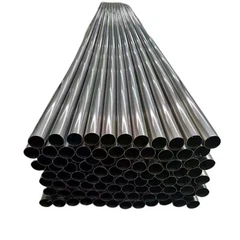
In the dynamic world of sports equipment manufacturing, the pursuit of materials that offer optimal performance, durability, and safety is a never - ending journey. Titanium rods have emerged as a material of significant interest in this field. As a supplier of high - quality titanium rods, I am excited to delve into the question: Can titanium rods be used in sports equipment?
The Properties of Titanium Rods
Titanium is a remarkable metal known for several key properties that make it a potential candidate for sports equipment. First and foremost, titanium has an excellent strength - to - weight ratio. It is as strong as steel but approximately 45% lighter. This characteristic is crucial in sports where athletes need to move quickly and efficiently, such as cycling, track and field, and skiing.
Another important property of titanium is its corrosion resistance. Titanium forms a thin, protective oxide layer on its surface when exposed to oxygen, which prevents it from rusting or corroding. This makes it suitable for sports equipment that may be exposed to harsh environmental conditions, like sea water in water sports or sweat in various athletic activities.
Titanium also has good fatigue resistance. In sports, equipment often undergoes repeated stress and loading cycles. A material with high fatigue resistance, like titanium, can withstand these cycles without failing prematurely, ensuring the longevity of the sports equipment.
Applications of Titanium Rods in Sports Equipment
Bicycles
One of the most well - known applications of titanium in sports is in bicycle frames. Titanium rods can be used to construct the tubes of a bicycle frame. The lightweight nature of titanium allows cyclists to accelerate faster and climb hills more easily. The excellent strength of titanium ensures that the frame can withstand the forces exerted during cycling, including the weight of the rider and the impact from uneven terrain.
Moreover, the corrosion resistance of titanium is a significant advantage for bicycles. Bicycles are often used in different weather conditions, and the frame may come into contact with water, mud, and salt. Titanium frames are less likely to corrode compared to steel or aluminum frames, which can extend the lifespan of the bicycle. For example, ASTM B348 Titanium Alloy Rods For Chemical Industry can be used in the production of high - quality bicycle frames due to their specific alloy properties that offer enhanced strength and corrosion resistance.
Golf Clubs
In golf, titanium rods can be used in the construction of golf club heads. The high strength - to - weight ratio of titanium allows for the design of larger club heads with a larger sweet spot. A larger sweet spot means that even off - center hits can still achieve good distance and accuracy. The fatigue resistance of titanium is also important in golf clubs, as the club head experiences repeated impacts with the golf ball during a round of golf.
Titanium club heads can be more expensive than those made of other materials, but the performance benefits they offer are highly valued by professional and serious amateur golfers. For instance, Gr1 Titanium Polished Round Bars can be processed into golf club heads with a smooth finish, which not only looks aesthetically pleasing but also contributes to the overall performance of the club.
Fishing Rods
Titanium rods can be incorporated into fishing rods to improve their performance. The lightweight and strong nature of titanium allows for longer and more sensitive fishing rods. A longer rod can cast the fishing line further, while the sensitivity of the rod helps anglers detect even the slightest bite. The corrosion resistance of titanium is also beneficial in fishing, as fishing rods are often exposed to water.
Ski Poles
Ski poles made with titanium rods offer several advantages. The lightweight design of titanium ski poles reduces the fatigue of skiers, especially during long - distance skiing or in races. The strength of titanium ensures that the poles can withstand the forces exerted during skiing, such as pushing off the snow and absorbing impact when planting the poles. The corrosion resistance of titanium is useful in ski resorts where the poles may come into contact with snow, ice, and water.
Challenges and Considerations
While titanium rods have many advantages for sports equipment, there are also some challenges and considerations. One of the main challenges is the cost. Titanium is generally more expensive than other common materials used in sports equipment, such as steel and aluminum. This can make sports equipment made with titanium less accessible to some consumers.


The manufacturing process of titanium rods can also be more complex compared to other materials. Titanium requires special machining techniques and equipment due to its high strength and chemical reactivity at high temperatures. This can increase the production cost and time of sports equipment.
In addition, although titanium has many excellent properties, it may not be the best choice for all types of sports equipment. For example, in some sports where extreme stiffness is required, other materials like carbon fiber may be more suitable.
Quality and Certification of Titanium Rods
When using titanium rods in sports equipment, it is crucial to ensure the quality and certification of the rods. Suppliers should provide rods that meet relevant industry standards. For example, ASTM B348 gr5 Titanium Bar is a well - known standard for titanium bars. This standard specifies the chemical composition, mechanical properties, and testing methods for titanium bars, ensuring that the rods are of high quality and suitable for use in various applications, including sports equipment.
Conclusion
In conclusion, titanium rods can indeed be used in sports equipment, and they offer many benefits in terms of performance, durability, and corrosion resistance. From bicycles to golf clubs, fishing rods to ski poles, titanium has found its way into a wide range of sports applications. However, the cost and manufacturing challenges associated with titanium need to be considered.
As a supplier of titanium rods, I am committed to providing high - quality products that meet the specific needs of sports equipment manufacturers. If you are interested in using titanium rods for your sports equipment production, I encourage you to contact me for further discussions and to explore the possibilities of using our titanium rods in your products. We can work together to find the best solutions that balance performance, cost, and quality.
References
- ASM Handbook Committee. (2000). ASM Handbook Volume 2: Properties and Selection: Nonferrous Alloys and Special - Purpose Materials. ASM International.
- Callister, W. D., & Rethwisch, D. G. (2017). Materials Science and Engineering: An Introduction. Wiley.
Send Inquiry