





Can titanium stubs be used in corrosive environments?
Jun 09, 2025
Leave a message
Can titanium stubs be used in corrosive environments?
As a titanium stub supplier, I've encountered numerous inquiries regarding the suitability of titanium stubs in corrosive environments. This blog aims to delve into this topic comprehensively, providing valuable insights for those considering using titanium stubs in challenging conditions.
Titanium is well - known for its exceptional corrosion resistance, which is a key factor in determining whether titanium stubs can be used in corrosive environments. The corrosion resistance of titanium stems from the formation of a thin, adherent, and self - healing oxide layer on its surface. This oxide layer, primarily composed of titanium dioxide (TiO₂), acts as a protective barrier between the metal and the surrounding corrosive medium.
When titanium is exposed to an oxygen - containing environment, even in trace amounts, this oxide layer forms spontaneously. It is highly stable and can resist the attack of many corrosive substances, such as acids, alkalis, and salts. For example, in dilute sulfuric acid solutions, titanium shows remarkable resistance compared to many other metals. While iron and steel would quickly corrode in such an environment, titanium remains relatively intact due to the protective oxide layer.
In the case of chloride - containing environments, which are particularly aggressive towards many metals, titanium also performs well. Chloride ions can penetrate the oxide layers of some metals, leading to pitting corrosion. However, the oxide layer on titanium is highly resistant to chloride ion attack. This makes titanium stubs suitable for use in seawater applications, where the high chloride content can cause severe corrosion problems for other materials. Seawater desalination plants, offshore oil and gas platforms, and marine vessels often utilize titanium components, including stubs, because of their ability to withstand the corrosive effects of seawater.
Let's consider the chemical industries. In chemical processing plants, various corrosive chemicals are handled, such as hydrochloric acid, nitric acid, and caustic soda. Titanium stubs can be used in these environments because of their corrosion resistance. For instance, in the production of chlorine and caustic soda through the chlor - alkali process, titanium stubs are used in pipelines and equipment. The aggressive nature of the chemicals involved requires materials that can withstand long - term exposure without significant corrosion, and titanium fits the bill perfectly.
However, it's important to note that while titanium has excellent corrosion resistance, there are some limitations. In extremely acidic environments with low pH values and high temperatures, the corrosion rate of titanium may increase slightly. For example, in concentrated sulfuric acid at high temperatures, the protective oxide layer on titanium may break down, leading to corrosion. Also, in the presence of certain reducing agents, the oxide layer may be disrupted, reducing the corrosion resistance of titanium.
Another factor to consider is the potential for galvanic corrosion. Galvanic corrosion occurs when two different metals are in contact in an electrolyte. If a titanium stub is in contact with a more active metal, such as steel, in a corrosive environment, the more active metal may corrode preferentially. To prevent this, proper insulation or the use of compatible materials is necessary.
Now, let's talk about the specific products we offer. Our Gr2 Titanium Stub End is made from Grade 2 titanium, which is a commercially pure titanium. It has excellent formability and corrosion resistance, making it suitable for a wide range of applications in corrosive environments. The high - quality manufacturing process ensures that the stubs have consistent properties and reliable performance.
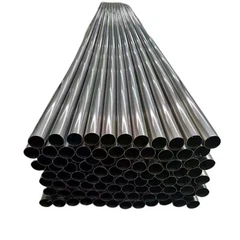
We also provide Titanium Square Tube and Titanium Gr 2 Seamless Tubes. These tubes can be used in combination with titanium stubs in various systems. The seamless design of the Grade 2 titanium tubes offers enhanced strength and corrosion resistance, and they can be easily connected using our stubs.
When it comes to the mechanical properties of titanium stubs, they are also quite impressive. Titanium has a high strength - to - weight ratio, which means that titanium stubs can withstand significant mechanical loads while being relatively lightweight. This is beneficial in applications where weight is a concern, such as aerospace and automotive industries. The combination of high strength and corrosion resistance makes titanium stubs a preferred choice in these fields.
In terms of installation and maintenance, titanium stubs are relatively easy to work with. They can be welded using appropriate welding techniques, and the welded joints also have good corrosion resistance. Maintenance is minimal compared to other materials. Since titanium stubs do not corrode easily, there is no need for frequent painting or coating to protect them from the environment. This reduces the overall maintenance costs and downtime associated with equipment using titanium stubs.


In conclusion, titanium stubs can be effectively used in corrosive environments. Their excellent corrosion resistance, combined with good mechanical properties and ease of installation and maintenance, makes them a reliable choice for a wide range of applications. Whether it's in the marine, chemical, or other industries, titanium stubs can provide long - term performance in the face of corrosive challenges.
If you are interested in our titanium stubs or have any questions about their suitability for your specific corrosive environment, we encourage you to contact us for a detailed discussion. We can provide you with technical specifications, samples, and pricing information to help you make an informed decision. Our team of experts is always ready to assist you in finding the best titanium stubs for your needs.
References
- ASM Handbook, Volume 13A: Corrosion: Fundamentals, Testing, and Protection. ASM International.
- "Titanium: A Technical Guide" by John R. Davis. ASM International.
- Corrosion Engineering Handbook by Pierre R. Roberge. McGraw - Hill.
Send Inquiry