

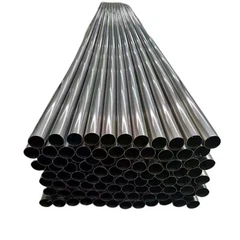




What is the hardness of tantalum rods?
Jun 09, 2025
Leave a message
Tantalum is a remarkable metal known for its unique properties, and tantalum rods, in particular, have found widespread applications across various industries. One of the key aspects that determine the usability and performance of tantalum rods is their hardness. In this blog post, I'll delve into the hardness of tantalum rods, its implications, and why it matters in different industrial applications. As a supplier of tantalum rods, I've witnessed firsthand the significance of understanding this crucial property.
Understanding Tantalum's Hardness
Hardness is a measure of a material's resistance to local deformation, such as indentation, scratching, or abrasion. In the case of tantalum rods, hardness plays a vital role in determining their durability, machinability, and suitability for specific applications. Tantalum has a relatively high hardness compared to many other metals, which is one of the reasons it's so highly valued in industries that require materials to withstand harsh conditions.
The hardness of tantalum is typically measured using the Vickers hardness test, which involves indenting the material with a pyramid-shaped diamond indenter under a specific load. The resulting indentation is then measured, and the hardness value is calculated based on the size of the indentation. Tantalum generally has a Vickers hardness ranging from about 120 to 200 HV, depending on factors such as its purity, grain size, and the presence of any alloying elements.

Factors Affecting the Hardness of Tantalum Rods
Several factors can influence the hardness of tantalum rods. One of the most significant factors is the purity of the tantalum. High-purity tantalum tends to have a lower hardness compared to tantalum that contains impurities or alloying elements. This is because impurities and alloying elements can act as obstacles to the movement of dislocations within the metal lattice, increasing its resistance to deformation and thus raising its hardness.
Another important factor is the grain size of the tantalum. Tantalum with a finer grain size generally has a higher hardness than tantalum with a coarser grain size. This is because the grain boundaries in a fine-grained material act as barriers to dislocation movement, making it more difficult for the material to deform. The grain size of tantalum rods can be controlled through various manufacturing processes, such as hot working, cold working, and annealing.
The manufacturing process itself can also have a significant impact on the hardness of tantalum rods. For example, cold working, which involves deforming the tantalum at room temperature, can increase its hardness by introducing dislocations into the metal lattice. On the other hand, annealing, which involves heating the tantalum to a high temperature and then slowly cooling it, can reduce its hardness by allowing the dislocations to rearrange and the grains to grow.
Implications of Tantalum Rod Hardness in Different Applications
The hardness of tantalum rods has important implications for their performance in different applications. In the aerospace industry, for example, tantalum rods are often used in components that require high strength and hardness, such as turbine blades and engine parts. The high hardness of tantalum helps these components withstand the extreme temperatures, pressures, and stresses encountered during flight.
In the electronics industry, tantalum rods are used in the production of capacitors, which are essential components in electronic devices. The hardness of tantalum is important in this application because it helps the capacitors maintain their shape and integrity during the manufacturing process and under normal operating conditions. A harder tantalum rod is less likely to deform or break, ensuring the reliability and performance of the capacitors.
In the chemical processing industry, tantalum rods are used in equipment that comes into contact with corrosive chemicals. The high hardness of tantalum makes it resistant to abrasion and wear, which is crucial in environments where the equipment is exposed to harsh chemicals and high-velocity fluid flow. Tantalum's hardness also helps it maintain its corrosion resistance over time, ensuring the long-term performance of the equipment.
Why Choose Our Tantalum Rods
As a supplier of tantalum rods, we understand the importance of providing high-quality products that meet the specific needs of our customers. Our tantalum rods are manufactured using state-of-the-art technology and strict quality control measures to ensure consistent hardness and other properties. We offer a wide range of tantalum rods with different hardness levels, diameters, and lengths to suit various applications.
In addition to our high-quality products, we also provide excellent customer service. Our team of experts is available to answer your questions, provide technical support, and help you select the right tantalum rods for your application. We can also work with you to develop custom solutions to meet your specific requirements.
If you're in the market for tantalum rods, we invite you to contact us to discuss your needs. We look forward to working with you to provide the best tantalum rod solutions for your business.
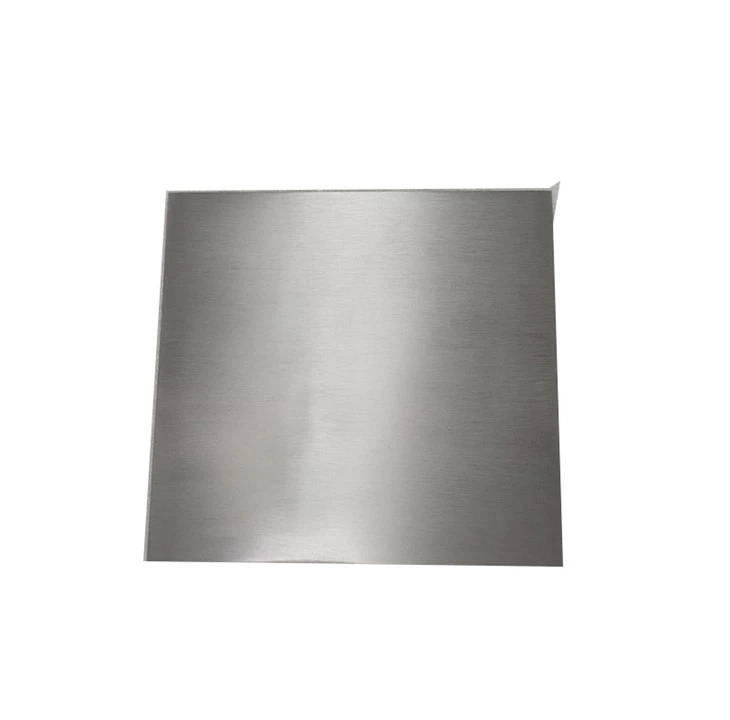
Related Products: Tantalum Plate
In addition to tantalum rods, we also offer Tantalum Plate, which is another important tantalum product with a wide range of applications. Tantalum plates are used in various industries, including aerospace, electronics, and chemical processing, due to their high strength, corrosion resistance, and excellent formability.
Conclusion
The hardness of tantalum rods is a crucial property that affects their performance in various applications. By understanding the factors that influence tantalum rod hardness and its implications in different industries, you can make informed decisions when selecting tantalum rods for your specific needs. As a trusted supplier of tantalum rods, we're committed to providing high-quality products and excellent customer service. If you have any questions or would like to discuss your tantalum rod requirements, please don't hesitate to contact us. We're here to help you find the best solutions for your business.
References
- ASM Handbook, Volume 1: Properties and Selection: Irons, Steels, and High-Performance Alloys.
- Callister, W. D., & Rethwisch, D. G. (2017). Materials Science and Engineering: An Introduction. Wiley.
- Schaffer, G. B., Wegst, U. G. K., & Ashby, M. F. (2019). Engineering Materials 1: An Introduction to Properties, Applications, and Design. Butterworth-Heinemann.
Send Inquiry