





Do tantalum rods have good electrical conductivity?
Dec 16, 2025
Leave a message
Do tantalum rods have good electrical conductivity?
As a supplier of tantalum rods, I often encounter customers who are curious about the electrical conductivity of tantalum rods. In this blog post, I'll delve into the topic, exploring the electrical conductivity of tantalum rods, the factors that influence it, and how it compares to other materials.
Understanding Tantalum's Electrical Conductivity
Tantalum is a transition metal known for its high melting point, corrosion resistance, and excellent electrical properties. When it comes to electrical conductivity, tantalum exhibits relatively good performance. The electrical conductivity of a material is typically measured in siemens per meter (S/m). At room temperature, tantalum has an electrical conductivity of approximately 7.66 × 10⁶ S/m.
This value places tantalum among the metals with moderate to good electrical conductivity. While it is not as conductive as some of the most highly conductive metals like silver (6.30 × 10⁷ S/m) or copper (5.96 × 10⁷ S/m), tantalum's conductivity is still sufficient for a wide range of electrical and electronic applications.
Factors Affecting Tantalum Rods' Electrical Conductivity
Several factors can influence the electrical conductivity of tantalum rods. Understanding these factors is crucial for ensuring that the tantalum rods meet the specific requirements of different applications.
Purity
The purity of tantalum plays a significant role in its electrical conductivity. Impurities in tantalum can disrupt the flow of electrons, reducing its conductivity. High - purity tantalum rods generally have better electrical conductivity compared to those with lower purity levels. As a supplier, we take great care to ensure that our tantalum rods are of high purity, which helps to optimize their electrical performance.
Temperature
Temperature also has an impact on the electrical conductivity of tantalum rods. Like most metals, the electrical conductivity of tantalum decreases as the temperature increases. This is because at higher temperatures, the atoms in the tantalum lattice vibrate more vigorously, which scatters the electrons and makes it more difficult for them to flow freely. In applications where stable electrical conductivity is required over a wide temperature range, this temperature - dependent behavior needs to be taken into account.
Crystal Structure
The crystal structure of tantalum can affect its electrical conductivity. Tantalum typically has a body - centered cubic (BCC) crystal structure. Any changes in the crystal structure, such as due to processing or heat treatment, can influence the movement of electrons and thus the electrical conductivity. For example, if the tantalum rod has a more ordered crystal structure, it may have better electrical conductivity.
Applications of Tantalum Rods Based on Electrical Conductivity
The electrical conductivity of tantalum rods makes them suitable for various applications in the electrical and electronic industries.

Capacitors
Tantalum is widely used in the manufacturing of capacitors. Tantalum capacitors are known for their high capacitance per unit volume, stability, and reliability. The good electrical conductivity of tantalum allows for efficient charge and discharge processes within the capacitor. Tantalum rods are used as the anode material in these capacitors, where their electrical properties contribute to the overall performance of the device.
Electronic Circuits
In electronic circuits, tantalum rods can be used as conductors or interconnects. Their moderate electrical conductivity, combined with their corrosion resistance and high melting point, makes them a good choice for applications where durability and stable electrical performance are required. For example, in high - temperature or corrosive environments, tantalum rods can maintain their electrical properties better than some other materials.
Vacuum Electronics
Tantalum rods are also used in vacuum electronics applications. In vacuum tubes and other vacuum - based devices, tantalum's electrical conductivity, along with its ability to withstand high temperatures and resist corrosion, makes it a suitable material for electrodes and other components.
Comparison with Other Materials
When considering the use of tantalum rods in electrical applications, it's important to compare their electrical conductivity with other materials.
Copper
Copper is one of the most widely used metals for electrical applications due to its high electrical conductivity. However, copper is more prone to corrosion compared to tantalum. In applications where corrosion resistance is a major concern, such as in marine or chemical environments, tantalum rods may be a better choice despite their lower conductivity.
Aluminum
Aluminum is another commonly used metal in electrical applications. It has a relatively high electrical conductivity and is lightweight and inexpensive. But similar to copper, aluminum is more susceptible to corrosion. Tantalum rods offer better corrosion resistance, which can be a decisive factor in certain applications.
Conclusion
In conclusion, tantalum rods do have good electrical conductivity, which, combined with their other excellent properties such as high melting point and corrosion resistance, makes them suitable for a wide range of electrical and electronic applications. The electrical conductivity of tantalum rods can be influenced by factors such as purity, temperature, and crystal structure.
If you are looking for high - quality tantalum rods for your electrical or electronic projects, we are here to help. Our company is committed to providing the best - quality tantalum rods with optimal electrical properties. Whether you need tantalum rods for capacitors, electronic circuits, or other applications, we can offer you the right products to meet your needs.
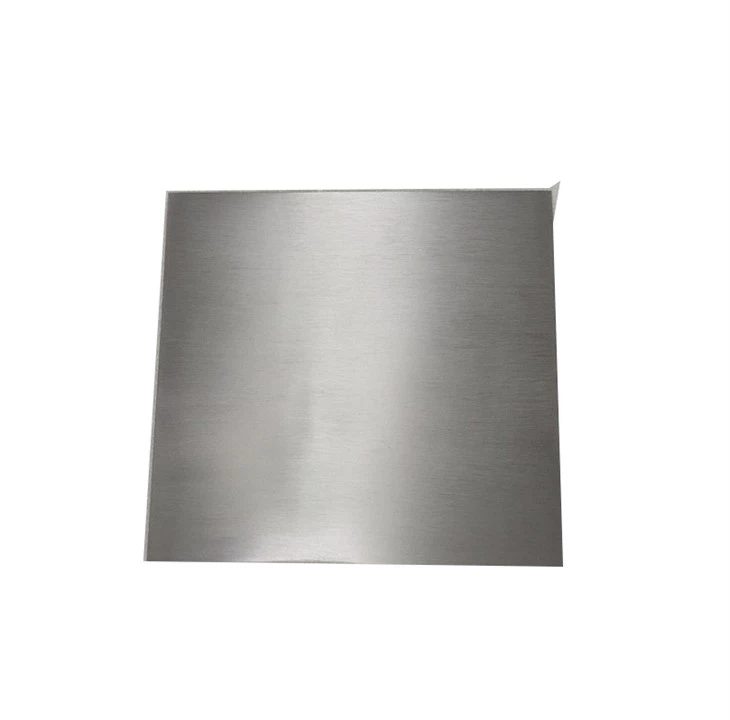
If you are interested in learning more about our Tantalum Plate or other tantalum products, or if you would like to discuss your specific requirements for tantalum rods, please feel free to contact us. We are looking forward to starting a business relationship with you and helping you find the ideal tantalum solutions for your projects.
References
- "The Properties and Applications of Tantalum" by Materials Science Handbook
- "Electrical Conductivity of Metals" in Journal of Electrical Engineering
Send Inquiry