





Do titanium tees have a unique sound when hitting the ball?
Jun 17, 2025
Leave a message
In the world of golf, every piece of equipment can significantly impact the game, from the clubs to the balls and even the tees. One type of tee that has been gaining attention is the titanium tee. As a supplier of titanium tees, I've often been asked whether these tees have a unique sound when hitting the ball. In this blog, we'll explore this question from a scientific and practical perspective.
The Science Behind the Sound of Hitting a Ball
Before delving into the sound of titanium tees, it's essential to understand the basic principles of how sound is produced when a golf club strikes a ball. When the clubface makes contact with the ball, it creates a vibration. This vibration travels through the air as sound waves, which our ears perceive as a distinct noise. The characteristics of this sound, such as its pitch, volume, and duration, are influenced by several factors, including the materials of the club, the ball, and the tee.
The material of the tee plays a role in the sound production because it affects the way the ball behaves at the moment of impact. Different materials have different levels of flexibility, density, and hardness, which can all alter the vibration patterns and, consequently, the sound. For example, a wooden tee is relatively soft and may absorb some of the impact energy, resulting in a duller sound compared to a harder material.


Titanium: A Unique Material
Titanium is a remarkable metal known for its high strength - to - weight ratio, corrosion resistance, and durability. In the context of golf tees, these properties can have a significant impact on the sound produced when hitting the ball.
Titanium is much harder than traditional wooden or plastic tees. When the clubface hits the ball on a titanium tee, the tee is less likely to deform under the impact. This means that more of the energy from the club is transferred directly to the ball, rather than being absorbed by the tee. As a result, the vibration patterns are different from those created with softer tees.
The high density of titanium also contributes to the unique sound. Denser materials tend to produce higher - pitched sounds because they vibrate at a faster rate. When a golf club strikes a ball on a titanium tee, the resulting sound is often described as sharper and more metallic compared to the more muted sounds of wooden or plastic tees.
Practical Experience and User Feedback
In addition to the scientific explanations, the practical experience of golfers using titanium tees provides valuable insights into the sound. Many golfers who have switched to titanium tees have reported noticing a distinct difference in the sound of impact.
Some golfers appreciate the sharp, metallic sound as it gives them a sense of a powerful and clean hit. It can be an auditory indicator that the ball has been struck well. On the other hand, some more traditional golfers may find the sound too harsh or unfamiliar, as they are accustomed to the more subdued sounds of wooden tees.
However, it's important to note that the sound can also be influenced by other factors such as the type of golf club used, the swing speed of the golfer, and the specific design of the titanium tee. For example, a titanium tee with a unique shape or surface texture may produce a slightly different sound compared to a standard - shaped tee.
The Role of Tee Design
The design of the titanium tee can further enhance or modify the sound. Some titanium tees are designed with features such as perforations or special grooves. These design elements can affect the way the tee vibrates and, in turn, the sound produced.
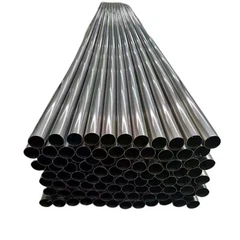
For instance, a Titanium Perforated Tube - based tee may have a different sound due to the holes in the tube. The perforations can change the airflow around the tee during impact, which can influence the vibration patterns and the resulting sound. Similarly, a tee with a Titanium Elbow or a tee that is part of a Factory Sells High Quality Titanium Elbow design may have unique acoustic properties because of the shape and structure of the elbow.
Impact on the Golfing Experience
The sound of the tee can have a psychological impact on the golfer. A unique and satisfying sound can boost a golfer's confidence. When a golfer hears that sharp, metallic sound, they are more likely to feel that they have executed a good shot. This psychological boost can, in turn, positively affect their subsequent swings and overall performance on the course.
Moreover, the sound can also be a factor in the overall enjoyment of the game. Golf is not just about the physical act of hitting the ball; it's also about the sensory experience. The distinct sound of a titanium tee can add an extra layer of excitement and novelty to the game, especially for golfers who are looking for something different from the traditional tees.
Conclusion and Call to Action
In conclusion, titanium tees do have a unique sound when hitting the ball. The hardness, density, and design of titanium all contribute to a sound that is often described as sharp and metallic, setting it apart from the sounds produced by wooden or plastic tees. Whether you're a golfer looking for a new experience or a golf course manager seeking to offer something unique to your customers, titanium tees are worth considering.
If you're interested in exploring our range of high - quality titanium tees, we invite you to contact us for procurement and further discussions. Our team of experts is ready to assist you in finding the perfect titanium tees for your needs. We can provide detailed information on the different designs, materials, and prices to ensure that you make an informed decision.
References
- "The Physics of Golf" by Theodore J. Kinsella.
- "Golf Equipment Technology" research papers from leading sports science journals.
Send Inquiry