





How are titanium rod ends manufactured?
Oct 16, 2025
Leave a message
Hey there! I'm a supplier of titanium rod ends, and I'm super stoked to take you through the manufacturing process of these awesome components. Titanium rod ends are used in a wide range of industries, from aerospace to automotive, because of their high strength, corrosion resistance, and lightweight properties.
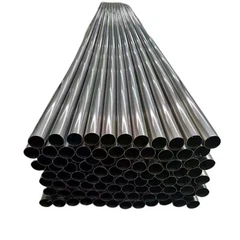
First off, let's talk about the raw materials. We source high - quality titanium rods for our rod ends. You can check out some of the great options we have like High Quality Titanium Rod. These rods are made from different titanium alloys, each with its own unique set of characteristics. For instance, the Ti 6246 alloy is pretty popular, and you can find more info about it here Ti 6246 Bar.
The manufacturing process starts with material selection. We carefully pick the right titanium alloy based on the specific requirements of the rod ends. Factors like the load - bearing capacity, operating environment, and budget all play a role in this decision. Once we've got the right alloy, it's time to start shaping the material.
The first step in shaping is usually cutting the titanium rod to the appropriate length. We use precision cutting tools to ensure that the length is accurate. After that, we start the machining process. Machining involves using various tools like lathes, mills, and drills to create the basic shape of the rod end. This includes creating the hole in the center for the ball or bushing and machining the outer surface to the right dimensions.
One of the key aspects of machining titanium is dealing with its high strength and low thermal conductivity. Titanium tends to generate a lot of heat during machining, which can cause problems like tool wear and poor surface finish. To combat this, we use coolants and lubricants and choose the right cutting speeds and feeds.
Next up is heat treatment. Heat treatment is crucial for enhancing the mechanical properties of the titanium rod ends. We heat the machined parts to a specific temperature and then cool them at a controlled rate. This process can improve the hardness, strength, and ductility of the material. Different heat - treatment processes can be used depending on the alloy and the desired properties.


After heat treatment, the rod ends go through a finishing process. This includes processes like grinding, polishing, and deburring. Grinding helps to achieve a more precise surface finish and dimensional accuracy. Polishing gives the rod ends a smooth and shiny appearance, which not only looks good but also helps with corrosion resistance. Deburring is important to remove any sharp edges or burrs that could cause problems during assembly or use.
Once the basic rod end is finished, it's time to add the ball or bushing. The ball or bushing is inserted into the hole in the rod end. We use precision - fitting techniques to ensure a proper fit. This is crucial for the smooth operation of the rod end and to ensure that it can withstand the loads and movements it will be subjected to.
Welding is another important process in some cases. For example, if we need to attach additional components to the rod end or if we're making a custom - designed rod end, welding might be required. We use high - quality Titanium Welding Rods for this purpose. Welding titanium is a bit tricky because it's very reactive with oxygen, nitrogen, and hydrogen at high temperatures. So, we perform the welding in an inert gas environment to prevent contamination.
After all the manufacturing processes are completed, the rod ends go through a rigorous quality - control process. We check the dimensions, surface finish, hardness, and other properties to make sure they meet the required standards. We use a variety of inspection tools like calipers, micrometers, hardness testers, and surface - roughness gauges.
If any rod ends don't meet the standards, they are either re - worked or discarded. This strict quality - control process ensures that only the best - quality rod ends make it to our customers.
So, there you have it - the process of manufacturing titanium rod ends. It's a complex but fascinating process that requires a lot of expertise and precision. Whether you're in the aerospace industry looking for high - performance rod ends or in the automotive sector needing reliable components, we've got you covered.
If you're interested in purchasing titanium rod ends or have any questions about our products, feel free to reach out. We're always happy to have a chat and discuss your specific needs. We can provide you with detailed product information, pricing, and delivery options. So, don't hesitate to get in touch and start a conversation about your titanium rod - end requirements.
References:
- ASM Handbook, Volume 2: Properties and Selection: Nonferrous Alloys and Special - Purpose Materials
- Titanium: A Technical Guide by John C. Williams
Send Inquiry