





How to maintain a titanium anode?
Jun 10, 2025
Leave a message
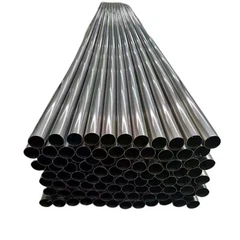
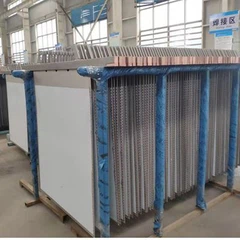
As a supplier of titanium anodes, I understand the importance of proper maintenance to ensure the longevity and efficiency of these essential components. Titanium anodes, especially DSA Titanium Anode and High Quality Titanium Anode, are widely used in various industries such as electroplating, water treatment, and cathodic protection. In this blog, I will share some valuable tips on how to maintain a titanium anode effectively.
Understanding the Basics of Titanium Anodes
Before delving into maintenance, it's crucial to understand the structure and working principle of titanium anodes. Titanium anodes are typically made of a titanium substrate coated with a precious metal oxide, such as iridium oxide or ruthenium oxide. This coating provides excellent electrocatalytic properties, allowing the anode to facilitate the oxidation reaction in an electrolytic cell.


The performance of a titanium anode is influenced by several factors, including the composition of the coating, the operating conditions, and the quality of the electrolyte. By understanding these factors, you can take proactive measures to maintain the anode's performance and extend its service life.
Pre - Installation Maintenance
Storage Conditions
Proper storage is the first step in maintaining a titanium anode. When not in use, titanium anodes should be stored in a dry and clean environment. Exposure to moisture can cause corrosion on the titanium substrate, which may eventually lead to delamination of the coating. It is recommended to store the anodes in a sealed container with a desiccant to absorb any moisture.
Inspection Before Installation
Before installing a titanium anode, a thorough inspection is necessary. Check for any physical damage, such as cracks or scratches on the coating. Even minor damage can compromise the anode's performance and lead to premature failure. If any damage is detected, it's advisable to consult with the supplier to determine the best course of action.
Operating Conditions
Current Density
Maintaining the appropriate current density is crucial for the proper functioning of a titanium anode. Excessive current density can cause overheating and accelerate the degradation of the coating. On the other hand, a too - low current density may result in inefficient operation. Refer to the manufacturer's specifications for the recommended current density range and ensure that the anode operates within this range.
Temperature
The operating temperature also affects the performance of a titanium anode. High temperatures can increase the rate of chemical reactions on the anode surface, leading to faster coating degradation. It is essential to monitor the temperature of the electrolytic cell and take measures to keep it within the acceptable range. Cooling systems may be required in some applications to maintain a stable temperature.
Electrolyte Composition
The composition of the electrolyte plays a significant role in anode maintenance. Some electrolytes may contain impurities or aggressive chemicals that can corrode the anode coating. Regularly analyze the electrolyte to ensure that its composition is within the specified limits. If necessary, add appropriate additives to the electrolyte to prevent corrosion and improve the anode's performance.
Regular Cleaning
Physical Cleaning
Over time, debris and scale may accumulate on the surface of the titanium anode, which can reduce its efficiency. Physical cleaning methods, such as brushing or rinsing with water, can be used to remove loose debris. However, be careful not to use abrasive materials that may damage the coating.
Chemical Cleaning
In some cases, chemical cleaning may be required to remove stubborn deposits. Select a cleaning solution that is compatible with the anode coating. For example, mild acid solutions can be used to clean anodes contaminated with inorganic salts. However, avoid using strong acids or alkalis that may dissolve the coating. Always follow the manufacturer's instructions when performing chemical cleaning.
Monitoring and Testing
Visual Inspection
Regular visual inspections are essential to detect any signs of damage or degradation on the anode surface. Look for changes in color, coating delamination, or the presence of pits. Early detection of these issues can allow for timely maintenance or replacement, preventing more significant problems.
Performance Testing
Periodically test the performance of the titanium anode to ensure that it is operating efficiently. Measure the voltage, current, and other relevant parameters in the electrolytic cell. Compare the test results with the baseline data to identify any deviations. If there is a significant change in performance, investigate the cause and take appropriate corrective actions.
Replacement
Despite proper maintenance, titanium anodes will eventually reach the end of their service life. The service life of an anode depends on various factors, such as the operating conditions and the quality of the coating. When the anode's performance deteriorates to an unacceptable level, it should be replaced promptly. Consult with the supplier to select a suitable replacement anode based on your specific application requirements.
Conclusion
Maintaining a titanium anode is a multi - faceted process that requires attention to detail and adherence to best practices. By following the tips outlined in this blog, you can ensure the long - term performance and reliability of your titanium anodes. Whether you are using DSA Titanium Anode or High Quality Titanium Anode, proper maintenance will not only save you time and money but also improve the overall efficiency of your operations.
If you have any questions about titanium anode maintenance or are interested in purchasing high - quality titanium anodes, please feel free to contact us for a consultation. Our team of experts is ready to provide you with professional advice and solutions tailored to your specific needs.
References
- "Handbook of Electrochemical Engineering" by Paola Atanassov, et al.
- "Corrosion and Protection of Metals" by Heinz H. Uhlig and Revie R. Winston.
- Manufacturer's technical documentation for titanium anodes.
Send Inquiry