





How to transport titanium tubes safely?
Jul 23, 2025
Leave a message
Transporting titanium tubes safely is of utmost importance for suppliers like me. Titanium tubes are widely used in various industries such as aerospace, medical, and chemical engineering due to their excellent properties like high strength, corrosion resistance, and low density. As a titanium tube supplier, I understand the significance of ensuring that these valuable products reach our customers in pristine condition. In this blog, I will share some key strategies and considerations for the safe transportation of titanium tubes.
Pre - transportation Preparation
Inspection and Quality Control
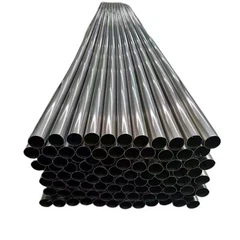
Before any transportation process begins, a thorough inspection of the titanium tubes is essential. We check for any surface defects, cracks, or dimensional inaccuracies. For example, a small crack in a Titanium Round Tube can compromise its structural integrity during transit. By conducting strict quality control, we can identify and address any issues early on, preventing potential problems during transportation.
Packaging
Proper packaging is the first line of defense in protecting titanium tubes. We use high - quality materials such as wooden crates, plastic wraps, and foam inserts. Wooden crates provide a sturdy outer structure that can withstand external impacts. Plastic wraps are used to protect the tubes from moisture and dust. Foam inserts are placed between the tubes to prevent them from rubbing against each other, which could cause scratches or dents. For instance, when shipping Gr2 Titanium Exhaust Pipe, we make sure to use a customized packaging solution that fits the specific shape and size of the pipes.
Documentation
Accurate documentation is crucial for the smooth transportation of titanium tubes. We prepare detailed shipping documents that include information such as the quantity, size, grade, and destination of the tubes. This documentation helps in customs clearance and ensures that the tubes are handled correctly throughout the transportation process. Additionally, we also provide safety data sheets (SDS) for the titanium tubes, which contain information about their chemical properties and potential hazards.
Choosing the Right Transportation Mode
Road Transportation
Road transportation is a common choice for short - distance deliveries. It offers flexibility in terms of pick - up and delivery locations. However, when transporting titanium tubes by road, we need to consider factors such as the condition of the roads and the type of vehicle. We use trucks with proper suspension systems to minimize vibrations, which can be harmful to the tubes. Also, the trucks are equipped with secure tie - down mechanisms to prevent the tubes from shifting during transit.
Rail Transportation
Rail transportation is suitable for long - distance shipments within a country or region. It is relatively cost - effective and can handle large volumes of titanium tubes. When using rail transport, we ensure that the tubes are loaded and secured properly in the railcars. Specialized railcars with adjustable fixtures can be used to prevent the tubes from moving during the journey.
Sea Transportation
For international shipments, sea transportation is often the preferred option. We use shipping containers to transport titanium tubes by sea. The containers are designed to protect the tubes from seawater, humidity, and rough sea conditions. Before loading the tubes into the containers, we make sure that the containers are clean and dry. We also use container liners to provide an additional layer of protection.
Air Transportation
Air transportation is the fastest mode of transport but is also the most expensive. It is usually reserved for urgent or high - value shipments. When shipping titanium tubes by air, we follow strict airline regulations regarding packaging and handling. The tubes are packed in lightweight yet sturdy containers that meet the airline's size and weight restrictions.
Handling During Transportation
Loading and Unloading
Proper loading and unloading procedures are essential to prevent damage to the titanium tubes. We use specialized equipment such as cranes and forklifts with soft - padded forks or hooks to handle the tubes. During loading, the tubes are placed carefully in the transportation vehicle or container. The same care is taken during unloading to ensure that the tubes are not dropped or banged.


Intermediate Storage
In some cases, the titanium tubes may need to be stored temporarily during transportation. We choose storage facilities that are clean, dry, and well - ventilated. The tubes are stored in a way that they are not exposed to direct sunlight or extreme temperatures. If the storage period is long, we may also perform periodic inspections to check for any signs of damage.
Monitoring and Tracking
We use tracking systems to monitor the location and condition of the titanium tubes during transportation. GPS tracking devices can be attached to the transportation vehicles or containers, allowing us to know the exact location of the tubes at any time. Additionally, we can also use sensors to monitor factors such as temperature, humidity, and vibration. If any abnormal conditions are detected, we can take immediate action to prevent damage to the tubes.
Insurance
To protect against potential losses during transportation, we always purchase insurance for the titanium tubes. The insurance policy should cover all possible risks such as damage, theft, and loss. We work with reputable insurance companies to ensure that we have adequate coverage.
In conclusion, transporting titanium tubes safely requires a comprehensive approach that includes pre - transportation preparation, choosing the right transportation mode, proper handling, monitoring, and insurance. By following these strategies, we can ensure that our customers receive high - quality titanium tubes in perfect condition.
If you are interested in purchasing titanium tubes, including Titanium Elbow, Titanium Round Tube, or Gr2 Titanium Exhaust Pipe, please feel free to contact us for a detailed discussion. We are committed to providing you with the best products and services.
References
- "Transportation of High - Value Metals: Best Practices", Metal Logistics Journal, 2022
- "Safety Guidelines for Shipping Titanium Products", International Titanium Association, 2023
- "Packaging and Handling of Titanium Tubes", Titanium Industry Handbook, 2021
Send Inquiry