





What are the storage requirements for titanium material?
Jun 02, 2025
Leave a message
Hey there! As a titanium material supplier, I often get asked about the storage requirements for titanium. So, I thought I'd share some insights on this topic.
First off, let's talk about why proper storage of titanium is so important. Titanium is a super useful metal, known for its high strength, low density, and excellent corrosion resistance. It's used in a wide range of industries, from aerospace to medical devices. But if it's not stored correctly, its properties can be affected, which can lead to all sorts of problems.
General Storage Conditions
One of the key things to keep in mind is that titanium should be stored in a clean, dry, and well - ventilated area. Moisture is titanium's enemy. If it's exposed to high humidity or water for long periods, it can start to oxidize. Oxidation might not sound like a big deal, but it can actually change the surface properties of the titanium, reducing its corrosion resistance and potentially weakening the material.
Temperature also plays a role. While titanium can withstand a wide range of temperatures, extreme heat or cold during storage can cause thermal stress. If the temperature fluctuates too much, it might lead to micro - cracks in the material over time. So, try to keep the storage area at a relatively stable temperature. A room - temperature environment is usually ideal.
Storage Based on Product Form
Now, let's break it down based on different forms of titanium products.
Titanium Sheets and Plates
Titanium sheets and plates are often flat and can stack easily. When storing them, it's important to keep them flat to prevent warping. You can stack them on pallets, but make sure to use some kind of protective material between each layer, like cardboard or plastic sheets. This helps prevent scratches and surface damage.
If you're storing large sheets, you might want to consider using a rack system. Racks can keep the sheets upright and make it easier to access them. Just make sure the racks are sturdy and designed to hold the weight of the titanium sheets.
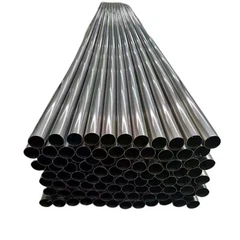
ASTM B338 Gr2 Titanium Tubes
Tubes are a bit different. They can be stored horizontally or vertically, depending on your space and the length of the tubes. If you store them horizontally, use a support system to prevent them from sagging. You can use wooden blocks or metal supports at regular intervals along the length of the tube.
When storing tubes vertically, make sure they are properly secured to prevent them from falling over. You can use racks or holders specifically designed for tube storage. And just like with sheets, protect the surface of the tubes from scratches and dents.
GR12 Titanium Bar 10mm
Titanium bars are usually stored in bundles. You can stack these bundles on pallets, but again, protect the bars from contact with each other to avoid scratching. If the bars are long, consider using a rack system similar to what you'd use for tubes. This helps keep them organized and reduces the risk of damage.
Protection from Contamination
Another important aspect of storage is protection from contamination. Titanium can react with certain chemicals and elements. For example, it can react with iron particles. If iron comes into contact with titanium, it can cause galvanic corrosion. So, it's crucial to keep titanium away from steel or iron storage areas.
Also, avoid storing titanium near sources of dust, dirt, or chemicals. If the material gets contaminated, it might need additional cleaning or processing before it can be used, which can add to the cost and time.
Special Considerations for Alloyed Titanium
Some titanium materials are alloyed with other elements to enhance certain properties. For example, High Quality Niobium Bars might be used in some titanium alloys. These alloyed titanium products might have slightly different storage requirements.
Alloyed titanium can be more sensitive to environmental factors. For instance, some alloys might be more prone to corrosion in certain atmospheres. So, it's important to know the specific composition of the alloy and follow any special storage guidelines provided by the manufacturer.


Inventory Management
Proper inventory management is also an important part of titanium storage. Keep track of the age of your inventory. Older titanium products might have been exposed to more environmental factors over time, so it's a good idea to use the older stock first.
Label your storage areas clearly. This makes it easier to find the specific titanium products you need quickly. You can label based on product type, grade, size, and batch number.
Conclusion
In conclusion, proper storage of titanium materials is crucial to maintain their quality and properties. Keep it in a clean, dry, and well - ventilated area, protect it from contamination and physical damage, and manage your inventory effectively.
If you're in the market for high - quality titanium materials, whether it's ASTM B338 Gr2 Titanium Tubes, GR12 Titanium Bar 10mm, or High Quality Niobium Bars, we've got you covered. We're always here to help you with your titanium needs. If you have any questions or want to discuss a potential purchase, don't hesitate to reach out. We're happy to have a chat and work out the best solution for you.
References
- "Titanium: A Technical Guide" by John C. Williams
- ASTM International standards related to titanium materials
Send Inquiry