

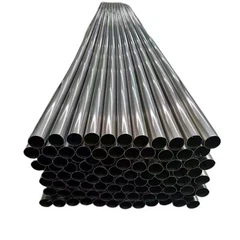




What is the density of titanium tubes?
Nov 14, 2025
Leave a message
Hey there! As a titanium tube supplier, I get asked about the density of titanium tubes a lot. So, I thought I'd write a blog post to shed some light on this topic.
First off, let's talk about what density actually means. Density is basically how much mass is packed into a certain volume. In simpler terms, it tells us how heavy an object is for its size. For titanium tubes, density plays a crucial role in a bunch of applications, from aerospace to medical devices.
The density of pure titanium is around 4.506 grams per cubic centimeter (g/cm³). That's pretty cool because it's less dense than steel, which usually has a density of about 7.85 g/cm³. This lower density makes titanium tubes super attractive for industries where weight is a big deal, like in the aerospace industry. You can have a strong tube that doesn't add too much extra weight to an aircraft, which helps with fuel efficiency and overall performance.
But here's the thing, most of the titanium tubes we supply aren't made of pure titanium. They're often alloys, which means they have other elements mixed in to give them specific properties. These alloys can have slightly different densities depending on what elements are added and in what amounts.
For example, the ASME SB338 GR2 SEAMLESS TITANIUM TUBE is a popular choice. It's made of a titanium alloy with a density that's close to that of pure titanium. This alloy is known for its good corrosion resistance and weldability, which makes it great for a wide range of applications, like heat exchangers in chemical plants.
Another product we offer is the Titanium Elbow. These elbows are also made from titanium alloys, and their density affects how they're used in piping systems. The lower density means they're easier to handle and install compared to elbows made from heavier materials.
And then there's the Titanium Capillary Tube. These tubes are really thin and are used in things like medical devices and analytical instruments. The density of these tubes is important because it can impact the flow of fluids or gases through them. A lower density can sometimes mean better flow characteristics.
Now, why does the density matter so much in these applications? Well, in the aerospace industry, as I mentioned earlier, every gram counts. Using titanium tubes with a lower density helps reduce the overall weight of the aircraft, which in turn saves fuel and can increase the range of the plane. In the medical field, the density of titanium tubes can affect how they're implanted in the body. A lighter tube might be more comfortable for the patient and could potentially have fewer complications.
In the chemical industry, the density of titanium tubes can influence how they react with different chemicals. A lower density tube might be more resistant to certain types of corrosion, which is a huge plus when dealing with harsh chemicals.
When we're manufacturing these titanium tubes, we have to be really careful about the density. We use advanced techniques to ensure that the tubes have the right density and other properties. We test the tubes regularly to make sure they meet the strict standards set by different industries.
If you're in the market for titanium tubes, it's important to consider the density along with other factors like strength, corrosion resistance, and cost. Different applications will require different densities, so it's crucial to choose the right type of tube for your specific needs.


If you have any questions about the density of our titanium tubes or want to learn more about our products, don't hesitate to reach out. We're here to help you find the perfect titanium tube solution for your project. Whether you're working on a small-scale medical device or a large aerospace project, we've got the expertise and the products to meet your requirements.
So, if you're interested in starting a conversation about purchasing titanium tubes, just drop us a line. We'll be more than happy to discuss your needs and provide you with a quote. Let's work together to make your project a success!
References
- "Titanium: Properties, Production, and Applications" by James F. Shackelford
- ASME Standards for Titanium Tubes
- Industry reports on the use of titanium in different sectors
Send Inquiry