





What is the design of a typical titanium tee?
Dec 01, 2025
Leave a message
Hey there! As a supplier of titanium tees, I'm stoked to share with you all about the design of a typical titanium tee. Titanium tees are super important in a bunch of industries, like aerospace, chemical processing, and marine engineering. They're used to connect pipes at a 90 - degree angle, allowing the flow of fluids or gases to split or combine.
First off, let's talk about the material. Titanium is an amazing choice for tees. It's got a high strength - to - weight ratio, which means it can handle a lot of stress without being too heavy. This is crucial, especially in aerospace applications where every extra pound matters. Titanium is also incredibly corrosion - resistant. It can stand up to harsh chemicals, saltwater, and extreme temperatures. This makes it perfect for chemical plants and marine environments where regular metals would rust or corrode quickly.
Now, onto the design features. A typical titanium tee has three openings: one main run and two branch connections. The main run is usually the straight part of the tee, and the branches come off at a right angle. The size of these openings can vary depending on the specific application. For example, in a large - scale industrial pipeline, you might need a tee with a big main run and relatively large branches to handle a high volume of fluid. On the other hand, in a small - scale laboratory setup, a much smaller tee would do the job.
The wall thickness of a titanium tee is another important design aspect. It needs to be thick enough to withstand the pressure of the fluid or gas flowing through it. If the wall is too thin, there's a risk of rupture, which can be extremely dangerous, especially in industries dealing with hazardous materials. But if it's too thick, it can add unnecessary weight and cost. So, engineers have to find that sweet spot based on the pressure requirements of the system.
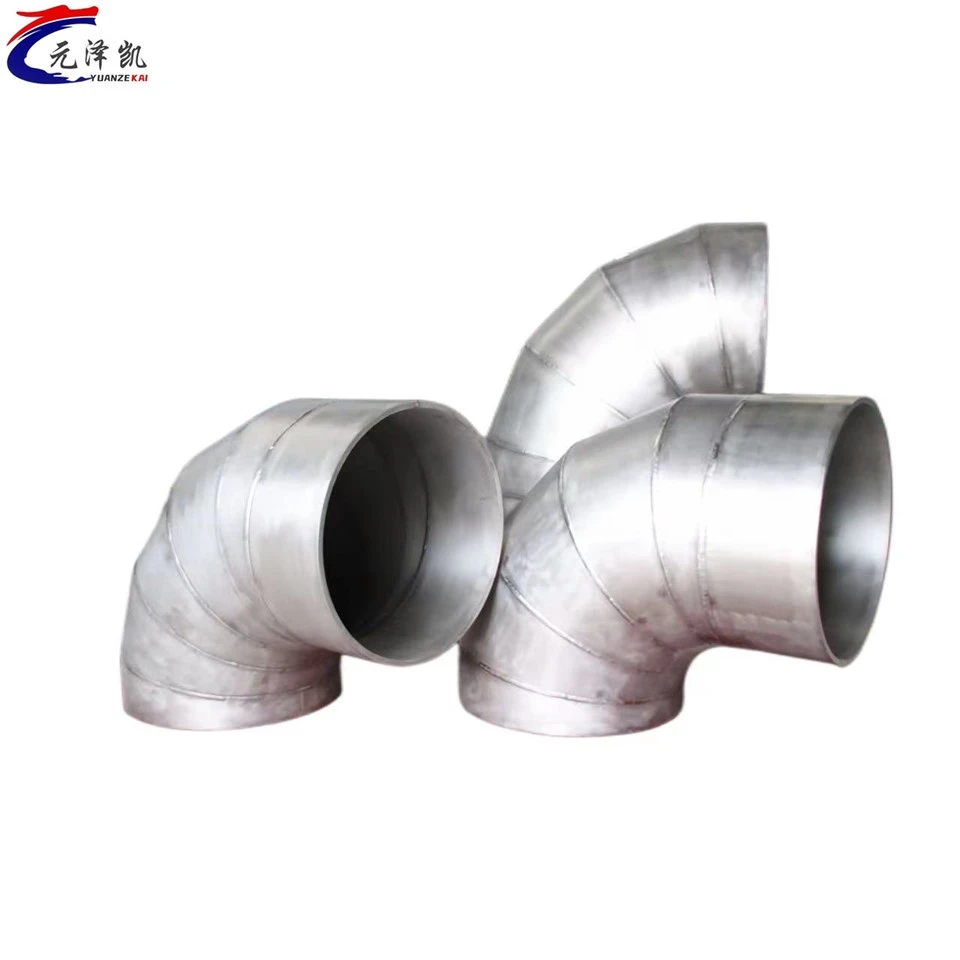

The ends of the titanium tee are also designed carefully. There are different types of end connections, such as butt - weld ends, socket - weld ends, and threaded ends. Butt - weld ends are the most common in high - pressure applications. They provide a strong, leak - proof connection by welding the tee directly to the pipes. Socket - weld ends are used when a more compact connection is needed. They involve inserting the pipe into the socket of the tee and then welding it. Threaded ends are handy for quick and easy installation, but they might not be as reliable in high - pressure situations.
In terms of manufacturing, titanium tees are usually made through a process called hot forming or cold forming. Hot forming involves heating the titanium to a high temperature and then shaping it into the tee using dies. This method is great for creating complex shapes and ensuring good material properties. Cold forming, on the other hand, is done at room temperature. It's often used for smaller tees or when a more precise shape is required. After forming, the tee goes through a series of finishing processes, like machining, grinding, and polishing, to ensure a smooth surface and accurate dimensions.
When it comes to quality control, we take it very seriously. Every titanium tee we produce undergoes a rigorous inspection process. We check for things like dimensional accuracy, wall thickness consistency, and the presence of any internal defects. Non - destructive testing methods, such as ultrasonic testing and X - ray testing, are often used to detect any hidden flaws. Only after passing all these tests do our tees get the green light for shipment.
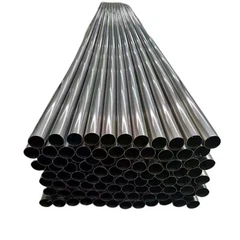
Now, I want to mention some related products that might be of interest to you. If you're working on a project that involves titanium tubes, you might want to check out our SB 338 Gr2 Titanium Tubes. These tubes are made from high - quality Grade 2 titanium and are suitable for a wide range of applications. Also, if you need to change the direction of your pipeline, our 90 Degree Titanium Elbow is a great option. It provides a smooth and efficient way to redirect the flow. And for those situations where you need to reduce the size of the pipeline, our Titanium Reducer can do the trick.
If you're in the market for titanium tees or any of our related products, we'd love to hear from you. Whether you're a large - scale industrial company or a small - scale business, we can provide you with high - quality titanium products at competitive prices. We have a team of experts who can help you choose the right tee for your specific needs and answer any questions you might have. Just reach out to us, and let's start a conversation about your project.
In conclusion, the design of a typical titanium tee is a complex process that takes into account many factors, from the material properties to the specific application requirements. By understanding these design elements, you can make a more informed decision when it comes to purchasing titanium tees for your projects. So, don't hesitate to get in touch if you think we can be of service to you.
References:
- "Titanium Alloys: Properties, Processing, and Applications" - A comprehensive book on titanium materials and their uses.
- Industry standards and guidelines for pipeline components, such as ASME B16.9 for factory - made wrought buttwelding fittings.
Send Inquiry