

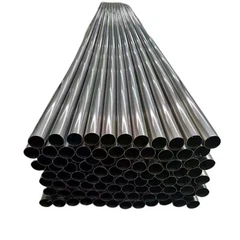




What is the elasticity modulus of titanium rod ends?
Dec 18, 2025
Leave a message
When dealing with the engineering and manufacturing industries, the mechanical properties of materials play a crucial role in determining their suitability for various applications. One such property is the elasticity modulus, also known as Young's modulus. In this blog post, we'll explore the elasticity modulus of titanium rod ends, which are a specialty product we supply.
Understanding the Elasticity Modulus
The elasticity modulus is a fundamental concept in materials science and engineering. It represents the ratio of stress (force per unit area) to strain (deformation) within the elastic range of a material. In simpler terms, it measures a material's stiffness or its ability to resist deformation when a force is applied. A high elasticity modulus indicates that a material is stiffer and will deform less under a given load, while a low modulus means the material is more flexible.
Mathematically, the elasticity modulus (E) is defined as:
[ E = \frac{\sigma}{\epsilon} ]
where (\sigma) is the stress and (\epsilon) is the strain.
Titanium: A Material of Choice
Titanium is a popular material in many industries due to its excellent combination of properties. It has a high strength - to - weight ratio, good corrosion resistance, and biocompatibility, making it suitable for aerospace, automotive, medical, and marine applications. Titanium rod ends, in particular, are used in various mechanical systems to provide a flexible connection between components while maintaining strength.
The elasticity modulus of pure titanium is approximately 110 GPa (gigapascals). However, most titanium rod ends are made from titanium alloys, which can have different elasticity moduli depending on their composition.
Elasticity Modulus of Common Titanium Alloys Used in Rod Ends
Ti - 6Al - 4V (Grade 5)
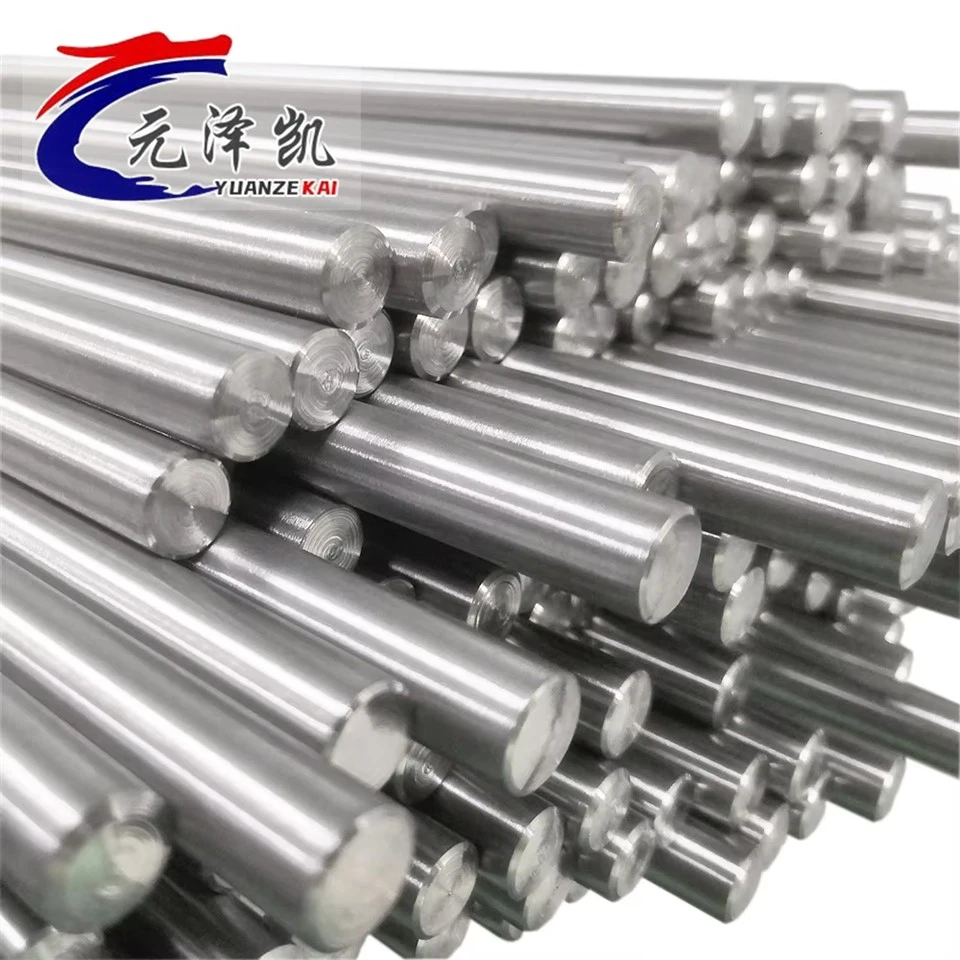
Ti - 6Al - 4V, also known as Grade 5 titanium, is one of the most widely used titanium alloys. It contains 6% aluminum and 4% vanadium, which enhance its strength and heat - resistance properties. The elasticity modulus of Ti - 6Al - 4V is around 114 GPa. This relatively high modulus makes it a great choice for applications where stiffness is required, such as in aerospace structures and high - performance automotive components. If you're interested in Gr5 Medical Titanium Rods, you'll find that their properties, including the elasticity modulus, make them suitable for medical implants as well.
Titanium Square Bar Alloys
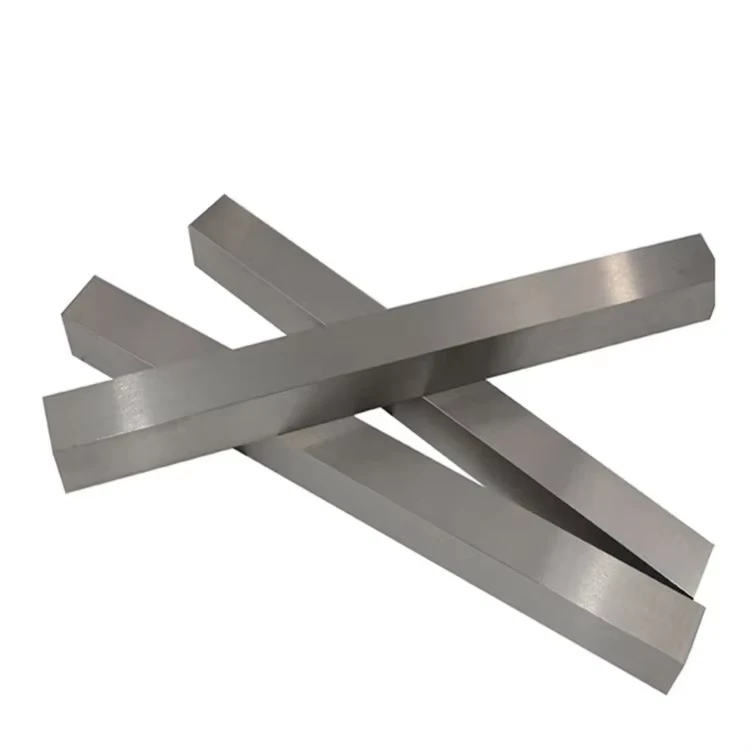
Titanium square bars can be made from different alloys, and their elasticity modulus can vary accordingly. For example, some common titanium square bar alloys may have an elasticity modulus similar to that of Grade 5 titanium if they have a comparable composition. The Titanium Square Bar we offer is carefully manufactured to ensure consistent mechanical properties, including the elasticity modulus, across the product range.
Ti6242 Titanium Alloy Bar
The Ti6242 titanium alloy, as the name suggests, contains titanium along with specific amounts of aluminum, tin, and other elements. The elasticity modulus of Ti6242 is approximately 113 GPa. This alloy is known for its good creep resistance and high - temperature strength, making it suitable for applications in gas turbine engines and other high - stress environments. You can learn more about Ti6242 Titanium alloy Bar on our website.
Importance of Elasticity Modulus in Titanium Rod Ends
The elasticity modulus of titanium rod ends is a critical factor in their performance. In mechanical systems, rod ends are often subjected to various forces, including tension, compression, and shear. A rod end with an appropriate elasticity modulus will deform within acceptable limits under these forces, ensuring the stability and reliability of the entire system.
For example, in an aerospace application, the rod ends used in control surfaces need to be stiff enough to transmit the control forces accurately without excessive deformation. On the other hand, in a suspension system of a vehicle, the rod ends need to have some flexibility to absorb shocks and vibrations while still maintaining their structural integrity.
Testing the Elasticity Modulus of Titanium Rod Ends
To ensure the quality and performance of our titanium rod ends, we conduct rigorous testing of the elasticity modulus. We use advanced testing equipment, such as universal testing machines, to apply controlled forces to the rod ends and measure the resulting deformation. By comparing the stress - strain data obtained from these tests with the expected values for the specific titanium alloy, we can verify the material properties of our products.
Applications of Titanium Rod Ends Based on Elasticity Modulus
- Aerospace Industry: In aircraft, titanium rod ends with a high elasticity modulus are used in flight control systems, landing gear, and engine mounts. The stiffness provided by the appropriate modulus ensures precise control and structural stability during flight.
- Automotive Industry: High - performance cars use titanium rod ends in their suspension systems. The right elasticity modulus allows for better handling and shock absorption, improving the overall driving experience.
- Medical Industry: Titanium rod ends with suitable elasticity moduli are used in medical devices such as prosthetics and orthopedic implants. The biocompatibility of titanium, combined with the appropriate mechanical properties, makes it an ideal choice for these applications.
Conclusion
The elasticity modulus of titanium rod ends is a key property that determines their performance in various applications. Whether you're in the aerospace, automotive, or medical industry, understanding this property is essential for selecting the right product. As a leading supplier of titanium rod ends, we ensure that our products meet the highest quality standards in terms of their mechanical properties, including the elasticity modulus.
If you're interested in purchasing titanium rod ends or have any questions about their properties, we invite you to contact us for a detailed discussion. Our team of experts is ready to assist you in finding the best solution for your specific needs.
References
- Callister, W. D., & Rethwisch, D. G. (2017). Materials Science and Engineering: An Introduction. Wiley.
-ASM Handbook Committee. (2000). ASM Handbook Volume 2: Properties and Selection: Nonferrous Alloys and Special - Purpose Materials. ASM International.
Send Inquiry