





What is the surface finish of a typical titanium rod?
Jan 08, 2026
Leave a message
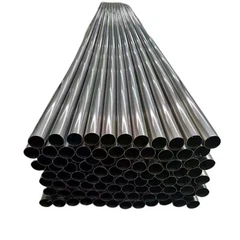
As a seasoned supplier of titanium rods, I often get asked about the surface finish of a typical titanium rod. The surface finish of a titanium rod is not just about aesthetics; it plays a crucial role in the rod's performance, durability, and suitability for various applications. In this blog, I'll delve into the details of what constitutes the surface finish of a typical titanium rod, the different types of finishes available, and how they impact the rod's functionality.
Understanding Titanium Rod Surface Finish
The surface finish of a titanium rod refers to the texture, smoothness, and overall quality of the rod's outer layer. It is determined by the manufacturing processes used to produce the rod, as well as any post - processing treatments. A good surface finish can enhance the rod's corrosion resistance, reduce friction, and improve its appearance.
Titanium is a unique metal known for its high strength - to - weight ratio, excellent corrosion resistance, and biocompatibility. However, these properties can be further optimized or compromised depending on the surface finish. For example, a rough surface finish may provide more sites for corrosion initiation, while a smooth finish can help maintain the rod's integrity in harsh environments.
Common Manufacturing Processes and Their Impact on Surface Finish
Hot Rolling
Hot rolling is one of the most common methods for producing titanium rods. In this process, the titanium billet is heated to a high temperature and then passed through a series of rollers to reduce its cross - section and form the desired shape. Hot - rolled titanium rods typically have a relatively rough surface finish due to the scale formed during the high - temperature process. This scale is a layer of oxidized titanium that can be removed through subsequent processes.
The rough surface of hot - rolled rods may be suitable for applications where appearance is not a primary concern, such as in some structural applications. However, for applications that require a smooth surface, additional finishing steps are necessary.
Cold Drawing
Cold drawing is another important manufacturing process for titanium rods. In cold drawing, the hot - rolled rod is pulled through a die at room temperature to reduce its diameter and improve its dimensional accuracy. Cold - drawn rods generally have a smoother surface finish compared to hot - rolled rods.
The cold - drawing process can also improve the mechanical properties of the titanium rod, such as its strength and hardness. The smooth surface of cold - drawn rods makes them suitable for applications where low friction and good surface quality are required, such as in the aerospace and medical industries.
Types of Surface Finishes for Titanium Rods
Mill Finish
Mill finish is the most basic surface finish for titanium rods. It is the surface condition of the rod as it comes from the manufacturing process, without any additional finishing treatments. Mill - finished rods can have a range of surface qualities depending on the manufacturing method used. Hot - rolled mill - finished rods may have a rough, scaly surface, while cold - drawn mill - finished rods are smoother.
Mill finish is often used in applications where cost is a major factor and the surface appearance does not significantly affect the performance of the rod. For example, in some industrial machinery components, mill - finished titanium rods can provide the necessary strength and functionality at a relatively low cost.
Pickled Finish
Pickling is a chemical process used to remove the scale and impurities from the surface of titanium rods. In pickling, the rod is immersed in a solution of acids, such as hydrofluoric acid and nitric acid, which react with the scale and dissolve it.
Pickled titanium rods have a cleaner and smoother surface compared to mill - finished rods. The pickling process also helps to expose the fresh titanium surface, which can improve the rod's corrosion resistance. Pickled finish is commonly used in applications where a clean and corrosion - resistant surface is required, such as in the chemical processing industry.
Polished Finish
Polishing is a mechanical process used to achieve a smooth and shiny surface on titanium rods. There are different levels of polishing, ranging from a simple buffing to a high - gloss mirror finish.
Polished titanium rods are often used in applications where appearance is important, such as in architectural and decorative applications. The smooth surface of polished rods also reduces friction, making them suitable for applications where low - friction movement is required, such as in bearings and sliding components. For more information on high - quality titanium rods like ASTM B348 gr5 Titanium Bar, you can visit our website.
Applications and Their Surface Finish Requirements
Aerospace Industry
In the aerospace industry, titanium rods are used in a variety of critical components, such as landing gear, engine parts, and structural elements. These applications require a high - quality surface finish to ensure the reliability and safety of the aircraft.
Smooth surface finishes are preferred in aerospace applications to reduce aerodynamic drag and prevent corrosion. Cold - drawn and polished titanium rods are commonly used in this industry. For example, gr5 titanium Bar is a popular choice for aerospace components due to its excellent combination of strength, corrosion resistance, and workability.
Medical Industry
The medical industry also has strict requirements for the surface finish of titanium rods. Titanium is widely used in medical implants, such as bone screws, dental implants, and joint replacements, due to its biocompatibility.
A smooth and clean surface finish is essential to prevent the accumulation of bacteria and to ensure the proper integration of the implant with the surrounding tissue. Polished and pickled titanium rods are often used in medical applications. Additionally, the surface finish can be further modified through processes like anodizing to improve the biocompatibility and wear resistance of the implant.
Welding Applications
In welding applications, the surface finish of titanium rods can significantly affect the quality of the weld. Titanium Welding Rods need to have a clean and smooth surface to ensure proper fusion and minimize the risk of defects in the weld.
Any contaminants or rough surfaces on the welding rod can lead to porosity, cracking, or other welding defects. Therefore, pickled or polished finishes are commonly used for titanium welding rods to ensure high - quality welds.


Post - Processing Treatments for Surface Finish Enhancement
Grinding
Grinding is a precision machining process that can be used to further improve the surface finish of titanium rods. In grinding, an abrasive wheel is used to remove small amounts of material from the surface of the rod, resulting in a very smooth and accurate surface.
Grinding can be used to achieve specific surface roughness requirements for applications that demand high precision, such as in the manufacturing of precision instruments.
Coating
Coating is another option for enhancing the surface finish of titanium rods. Various types of coatings can be applied to titanium rods, such as ceramic coatings, polymer coatings, or metallic coatings.
Coatings can provide additional protection against corrosion, wear, and oxidation. For example, a ceramic coating can improve the rod's hardness and wear resistance, while a polymer coating can provide a smooth and low - friction surface.
Contact for Procurement and Consultation
If you are in the market for high - quality titanium rods with the right surface finish for your specific application, we are here to help. Our company has extensive experience in supplying titanium rods with a wide range of surface finishes to meet the diverse needs of our customers.
Whether you need a rough - surfaced rod for a structural application or a highly polished rod for a medical implant, we can provide you with the best solutions. Contact us today to discuss your requirements and start a procurement negotiation. We look forward to working with you to provide the ideal titanium rod products.
References
- "Titanium: A Technical Guide" by Don Eylon
- "Metallurgy of Titanium Alloys" by R. Boyer, G. Welsch, and E. W. Collings
- Industry standards and specifications related to titanium rods, such as ASTM B348.
Send Inquiry