





Are titanium tubes more expensive than copper tubes?
Nov 07, 2025
Leave a message
Hey there! As a titanium tube supplier, I often get asked whether titanium tubes are more expensive than copper tubes. It's a valid question, especially when you're trying to figure out the best material for your project. So, let's dive right in and break it down.
First off, let's talk about the raw materials. Titanium is a relatively rare metal. It doesn't occur in its pure form in nature and has to be extracted from ores through a complex and energy - intensive process. On the other hand, copper is more abundant. It has been mined and used by humans for thousands of years, and there are well - established mining and refining methods. This basic difference in the availability and extraction process already gives us a hint that titanium might be pricier.
When it comes to production costs, titanium tubes are more expensive to manufacture. The melting point of titanium is extremely high, around 1668°C (3034°F), compared to copper's melting point of about 1085°C (1985°F). This means that more energy is required to melt and shape titanium into tubes. Specialized equipment is also needed because titanium is highly reactive at high temperatures and can easily pick up impurities from the surrounding environment. Copper, being less reactive, is easier to work with and can be processed using more common manufacturing techniques.
Another factor to consider is the properties of these two materials. Titanium is known for its outstanding corrosion resistance, especially in harsh environments like seawater or chemical - laden settings. It's also incredibly strong for its weight, which makes it a popular choice in aerospace, marine, and medical industries. Copper, while it does have some corrosion resistance, is not as durable as titanium in extreme conditions. The high - end performance of titanium tubes justifies their higher price in applications where reliability and longevity are crucial.
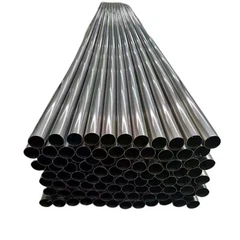
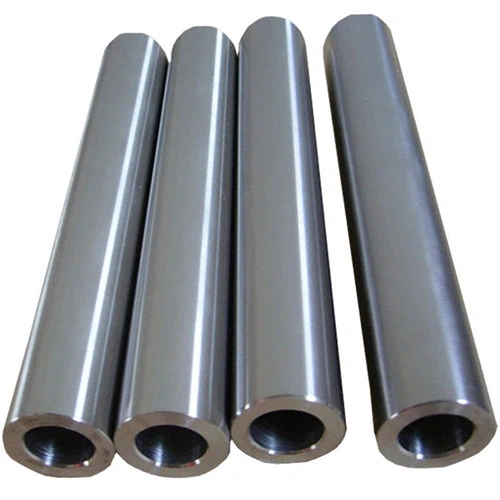
Let's take a look at some of the specific titanium tube products I offer. For instance, the 90 Degree Titanium Elbow is precision - engineered to meet the strict requirements of various industries. It's made from high - quality titanium, which ensures excellent performance even under high pressure and in corrosive environments. The Gr2 Titanium Stub End is another great product. It's widely used in piping systems for its durability and resistance to wear and tear. And of course, the Gr2 Titanium Tube is a staple in many industrial applications. It offers a perfect balance of strength, corrosion resistance, and formability.
Now, let's compare the prices in the market. Generally speaking, titanium tubes can cost anywhere from 3 to 10 times more than copper tubes, depending on the specific grade, size, and application. For small - scale projects or applications where cost is the primary concern and the environment is not too harsh, copper tubes might be the better choice. But for large - scale industrial projects, especially those in the aerospace, chemical processing, or medical fields, the long - term benefits of using titanium tubes often outweigh the initial cost.
In the aerospace industry, for example, every ounce of weight matters. Titanium's high strength - to - weight ratio means that using titanium tubes can reduce the overall weight of an aircraft, leading to better fuel efficiency and lower operating costs in the long run. In the medical field, titanium's biocompatibility makes it an ideal material for implants and surgical instruments. The cost of using titanium in these applications is justified by the improved performance and patient safety.

When it comes to maintenance costs, titanium tubes have an edge over copper tubes. Copper can corrode over time, especially in acidic or salty environments. This corrosion can lead to leaks, reduced efficiency, and the need for frequent replacements. Titanium, with its superior corrosion resistance, requires less maintenance and has a longer service life. So, while the upfront cost of titanium tubes is higher, the total cost of ownership over the life of the product can be comparable or even lower than that of copper tubes.
If you're still on the fence about whether to choose titanium tubes or copper tubes, it's important to consider your specific needs. Think about the environment in which the tubes will be used, the required lifespan of the product, and your budget. If you need a material that can withstand extreme conditions and last for a long time, titanium tubes are definitely worth the investment.
As a titanium tube supplier, I'm here to help you make the right decision. Whether you have questions about the properties of titanium, the cost - effectiveness of using titanium tubes, or need advice on which product is best for your project, I'm just a message away. I can provide you with detailed information about our products, including specifications, pricing, and delivery options.
If you're interested in purchasing titanium tubes, I encourage you to reach out to me. We can have a detailed discussion about your requirements, and I'll do my best to offer you the most suitable solutions at competitive prices. Let's work together to find the perfect titanium tube products for your project.
References
- "Titanium: A Technical Guide" by J. R. Davis
- "Copper and Copper Alloys" by ASM International
Send Inquiry