





Do titanium stubs have good wear resistance?
Nov 05, 2026
Leave a message
In the realm of industrial materials, the question of wear resistance is of paramount importance. As a dedicated supplier of titanium stubs, I am often asked, "Do titanium stubs have good wear resistance?" This blog post aims to explore this question in depth, drawing on scientific knowledge and real - world applications to provide a comprehensive answer.
Understanding Titanium and Its Properties
Titanium is a remarkable metal known for its unique combination of properties. It has a high strength - to - weight ratio, excellent corrosion resistance, and good biocompatibility. These properties make it a popular choice in various industries such as aerospace, medical, and automotive.
The atomic structure of titanium contributes to its overall performance. Titanium atoms are arranged in a hexagonal close - packed (HCP) crystal structure at room temperature. This structure gives titanium its strength and also influences its wear - related behavior. When it comes to wear resistance, several factors need to be considered, including hardness, surface finish, and the nature of the contact environment.

Factors Affecting the Wear Resistance of Titanium Stubs
Hardness
Hardness is a key factor in determining wear resistance. Titanium, in its pure form, has a relatively low hardness compared to some other metals like steel. However, the hardness of titanium can be enhanced through various methods such as heat treatment and alloying. For example, titanium alloys can have significantly higher hardness values than pure titanium. When we talk about titanium stubs, the choice of alloy can greatly affect their wear resistance. Alloys with higher amounts of strengthening elements like aluminum and vanadium can offer better protection against wear.
Surface Finish
The surface finish of titanium stubs also plays a crucial role. A smooth surface finish can reduce the frictional forces during contact, which in turn can decrease wear. Processes like polishing and grinding can be used to improve the surface finish of titanium stubs. Additionally, surface treatments such as nitriding or coating can further enhance the wear resistance. Nitriding forms a hard titanium nitride layer on the surface, which can withstand abrasive forces better.
Contact Environment
The environment in which the titanium stubs operate has a significant impact on their wear resistance. In a dry, clean environment, titanium stubs can exhibit relatively good wear behavior. However, in a abrasive environment where there are particles such as dust or sand, the wear rate may increase. Also, in a corrosive environment, the combination of corrosion and wear can exacerbate the material loss. For instance, in a marine environment where there is saltwater present, the titanium stubs may experience both corrosion and mechanical wear.
Applications of Titanium Stubs and Their Wear Resistance
Aerospace Industry
In the aerospace industry, titanium stubs are used in various components such as engine parts and structural connections. These applications require high wear resistance due to the high - stress and high - speed operating conditions. The excellent strength - to - weight ratio of titanium makes it an ideal choice. For example, titanium stubs can be found in turbine engines, where they need to withstand the impact of high - velocity gas flow and the presence of small particles. The good corrosion resistance also helps in preventing the degradation of the stubs over time.
Medical Industry
Medical implants are another area where titanium stubs are widely used. In orthopedic surgeries, titanium stubs are used to support bones and joints. The wear resistance of titanium is essential here to ensure the long - term stability of the implants. The biocompatibility of titanium also means that it can integrate well with the human body without causing adverse reactions. The smooth surface finish of medical - grade titanium stubs helps in reducing the friction between the implant and the surrounding tissues, minimizing wear and tear.
Automotive Industry
In the automotive industry, titanium stubs can be used in high - performance engines and suspension systems. The wear resistance of titanium stubs is beneficial in reducing the maintenance requirements and improving the overall performance of the vehicles. For example, in racing cars, the use of titanium stubs can help in withstanding the high - speed and high - stress conditions during races.
Comparing Titanium Stubs with Other Materials
Titanium vs. Steel
Steel is a commonly used material in many industries due to its high hardness and strength. However, when it comes to corrosion resistance, titanium outperforms steel. In applications where the environment is corrosive, titanium stubs are a better choice. Although steel may have higher initial hardness, titanium's ability to maintain its integrity in harsh environments can result in better long - term wear resistance.
Titanium vs. Aluminum
Aluminum is a lightweight metal, but it has relatively low wear resistance compared to titanium. Titanium stubs can offer better protection against wear and abrasion, especially in high - stress applications. Aluminum is more prone to scratching and deformation, while titanium can withstand more severe mechanical forces.
Our Product Range and Their Wear - Resistant Features
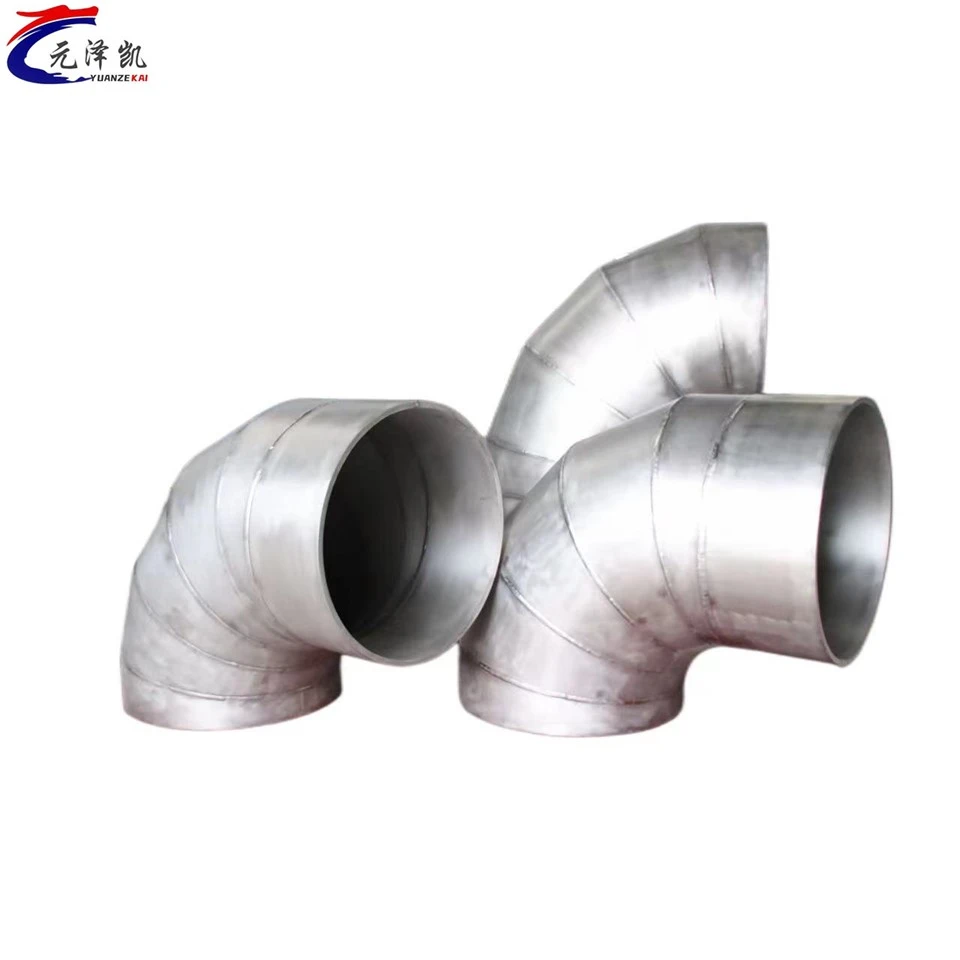
As a titanium stub supplier, we offer a wide range of products with excellent wear resistance characteristics. We have 90 Degree Titanium Elbow, which are precision - crafted to ensure a smooth surface and high strength. These elbows are made from high - quality titanium alloys, which enhance their wear resistance.
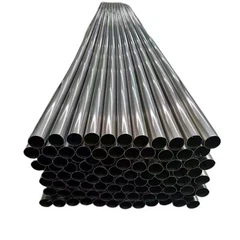
Our GR9 Titanium Seamless Tube is another product that showcases the wear - resistant properties of titanium. The seamless design reduces the risk of stress concentration points, which can lead to premature wear. The GR9 alloy used in these tubes provides a good balance of strength and wear resistance, making them suitable for various applications.
We also supply ASTM B338 Gr2 Titanium Tube. The Gr2 titanium has good corrosion resistance and can be further enhanced in terms of wear resistance through proper surface treatments. These tubes are widely used in industries where wear and corrosion are major concerns.
Conclusion
In conclusion, titanium stubs can have excellent wear resistance, especially when the right alloy is chosen, and proper surface treatments are applied. Their unique combination of properties makes them suitable for a wide range of applications, from aerospace to medical and automotive industries. The factors such as hardness, surface finish, and contact environment all play a role in determining the wear resistance of titanium stubs.
If you are in need of high - quality titanium stubs with good wear resistance, we are here to help. We have a team of experts who can provide you with detailed information about our products and assist you in selecting the right titanium stubs for your specific application. Contact us to start a procurement discussion and find the best solution for your business.
References
- Callister, W. D., & Rethwisch, D. G. (2010). Materials Science and Engineering: An Introduction. Wiley.
- Boyer, R., Welsch, G., & Collings, E. W. (1994). Materials Properties Handbook: Titanium Alloys. ASM International.
- Schütze, M. (2001). Corrosion and Corrosion Protection of Metals. Springer.
Send Inquiry