





What materials are titanium equipment usually made of?
Jun 27, 2025
Leave a message
Hey there! I'm a supplier of titanium equipment, and today I wanna chat about what materials titanium equipment is usually made of. Titanium is an amazing metal, and it's got some pretty cool properties that make it a top choice for all sorts of equipment.
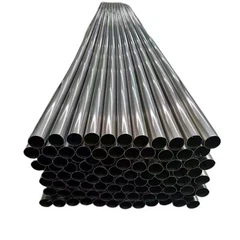
First off, let's talk about pure titanium. Pure titanium is a grade 1 material, and it's the most ductile and softest of all the titanium grades. It's highly corrosion - resistant, especially in environments with chloride ions, like seawater. This makes it great for applications where you need to resist corrosion, such as in the marine industry. For example, some parts of boats or offshore platforms that are constantly exposed to saltwater can be made from pure titanium.
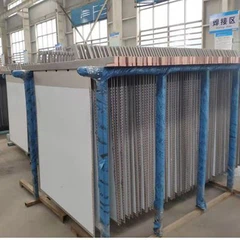
Grade 2 titanium is also quite common. It's a step up from grade 1 in terms of strength. It still has excellent corrosion resistance, but it's a bit stronger and can handle more stress. A lot of our Shell And Tube Heat Exchangers are made from grade 2 titanium. Heat exchangers are used in many industries, like chemical processing and power generation. They transfer heat between two fluids, and the corrosion - resistant property of grade 2 titanium ensures a long service life.
Now, when it comes to applications that need even more strength, we turn to alloyed titanium. One of the most popular titanium alloys is Ti - 6Al - 4V, which is grade 5 titanium. This alloy contains 6% aluminum and 4% vanadium. The addition of these elements gives it much higher strength compared to pure titanium. It's widely used in aerospace applications because of its high strength - to - weight ratio. But we also use it in some of our high - performance equipment. For instance, our Titanium Reaction Kettle can be made from grade 5 titanium. Reaction kettles are used in chemical reactions, and they need to withstand high pressures and temperatures. The strength of grade 5 titanium makes it a perfect fit for this kind of demanding application.
Another alloy is Ti - 3Al - 2.5V, which is grade 9 titanium. It has good formability along with decent strength. It's often used in tubing applications. Our Titanium Security Filter might use grade 9 titanium for its tubes. Security filters are used to remove impurities from fluids, and the formability of grade 9 allows us to shape the tubes precisely for efficient filtration.
Let's dig a bit deeper into the production process of these materials. Titanium is usually extracted from its ore, which is mainly ilmenite and rutile. The extraction process is quite complex. First, the ore is converted into titanium tetrachloride through a series of chemical reactions. Then, the titanium tetrachloride is reduced to sponge titanium using magnesium or sodium. This sponge titanium is then melted and formed into ingots. These ingots are the starting point for making all sorts of titanium products.
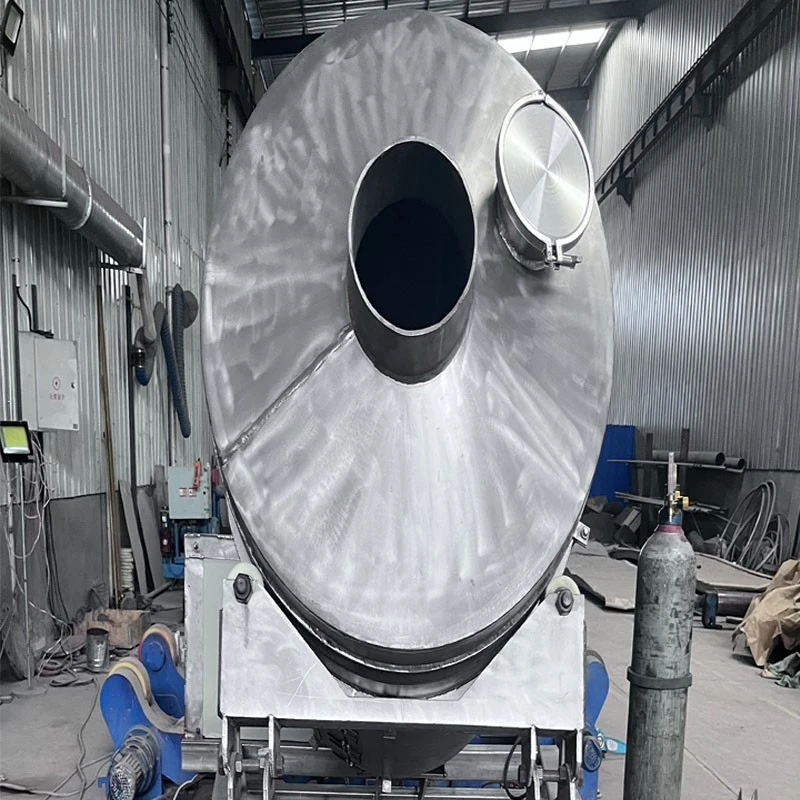

When we're making our titanium equipment, we use different manufacturing techniques depending on the material and the final product. For simple shapes, we might use forging. Forging involves heating the titanium and then shaping it using a hammer or a press. It helps to improve the mechanical properties of the material. For more complex shapes, we use machining. Machining is like carving, where we use cutting tools to remove material from the titanium block to create the desired shape.
The choice of material for our titanium equipment also depends on the cost. Pure titanium is generally less expensive than some of the alloys, especially those with rare elements like vanadium. But we always try to balance the cost with the performance requirements. If a customer needs a piece of equipment that only needs basic corrosion resistance and doesn't have to withstand high stress, we might recommend a pure titanium or a lower - grade alloy. On the other hand, if the application is in a high - stress environment, like in the aerospace or high - end chemical industries, we'll suggest a stronger alloy.
In addition to the main titanium materials, we also use some other components in our equipment. For example, gaskets are an important part of many of our products. They're used to seal joints and prevent leakage. We often use materials like rubber or PTFE (polytetrafluoroethylene) for gaskets. These materials are flexible and can withstand different temperatures and chemical environments.
Fasteners are another crucial part. We use titanium fasteners in most of our equipment. They're made from the same high - quality titanium materials as the main body of the equipment. This ensures that they have the same corrosion - resistant properties and can hold the equipment together securely.
Now, if you're in the market for titanium equipment, whether it's a heat exchanger, a security filter, or a reaction kettle, we've got you covered. We have a wide range of products made from different grades of titanium to meet your specific needs. Our team of experts can help you choose the right material and the right product for your application. We understand that every project is unique, and we're committed to providing you with the best - quality titanium equipment at a reasonable price.
So, if you're interested in our titanium equipment, don't hesitate to reach out. We're here to have a chat about your requirements and work out the best solution for you. Whether you're a small - scale business or a large - scale industrial company, we can offer you the products and services you need.
References
- "Titanium: A Technical Guide" by John C. Williams
- "The Titanium Alloy Market: An Overview" by Market Research Reports
- "Manufacturing Processes for Titanium Components" by Industrial Manufacturing Journal
Send Inquiry