





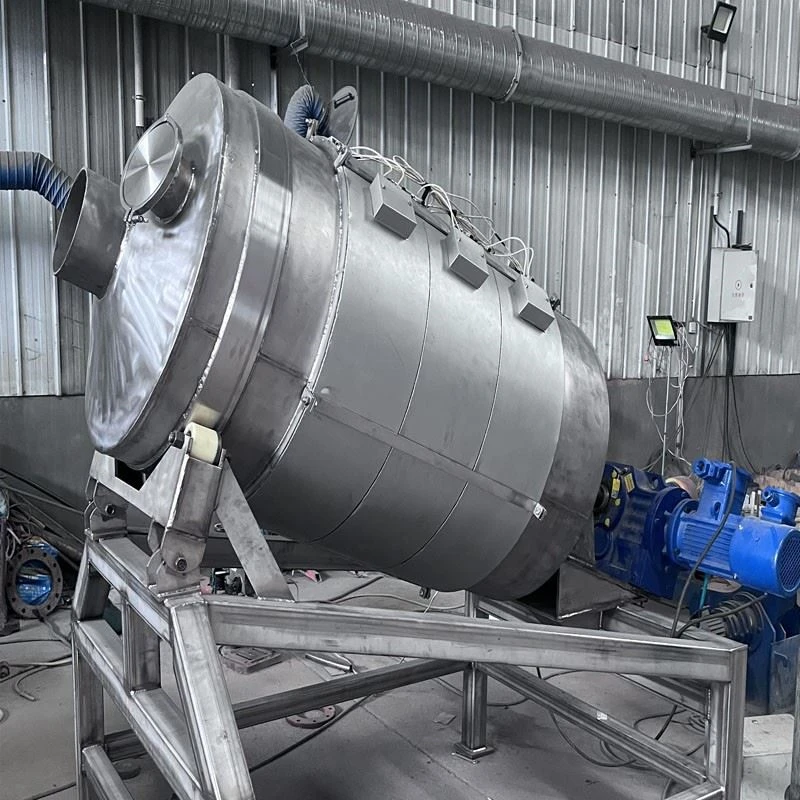
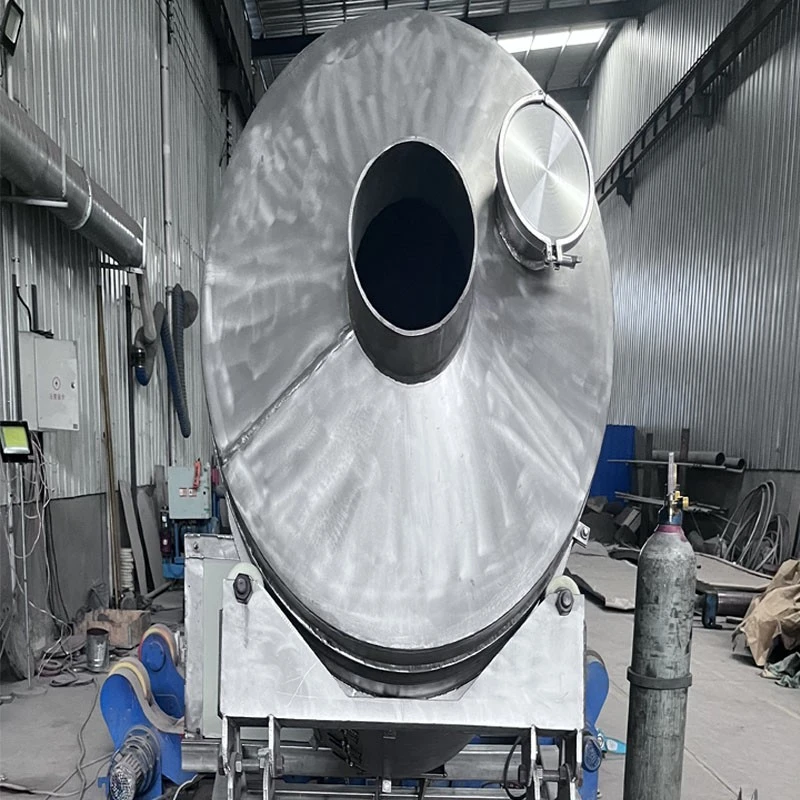
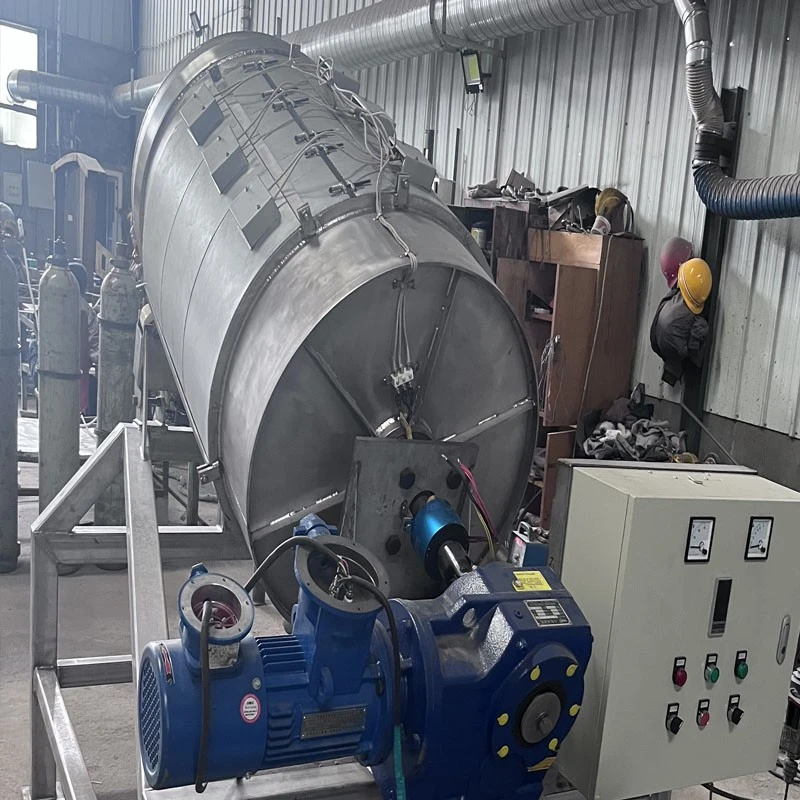

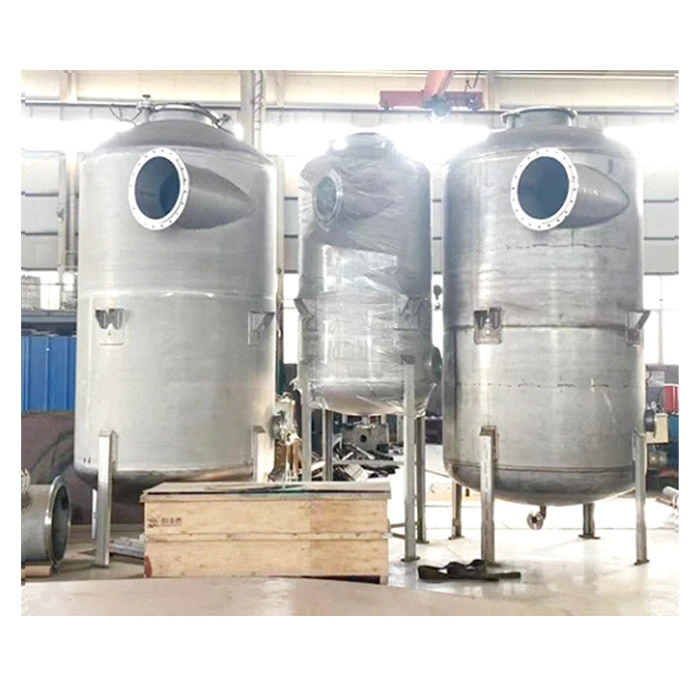

Titanium Reaction Kettle
Inner body material: pure titanium
Mixing shaft: titanium tube+blade material pure titanium
Motor power: 1 (Kw)
Electric heating power: 1 (Kw)
Mixing speed: 1 (revolutions per minute)
Structure type: Closed
Connection form: Flat cover type
Sealing form: packing seal
Capacity: 1L, 1.5L, 2L, 2.5L, 3L, 4L, customized
Products Description
A titanium reaction kettle is a chemical processing vessel which has high resistance to corrosion. It typically consists of an outer cylinder and inner body made from pure titanium Gr1 or Gr2. Titanium's chemical stability ensures the reaction kettle can handle processes without the risk of contamination or degradation, making it ideal for use in industries where aggressive chemicals, such as acids and alkalis, are involved. The mixing shaft is also composed of titanium, with a titanium blade attached for thorough mixing of the reactor contents.
| Product Name | Titanium Reactor |
| Outer cylinder material | pure titanium Gr1,Gr2 |
| Inner body material | pure titanium Gr1,Gr2 |
| Mixing shaft | titanium tube+blade material pure titanium |
| Motor power | 1 (Kw) |
| Electric heating power | 1 (Kw) |
| Mixing speed | 1 (revolutions per minute) |
| Structure type | Closed |
| Connection form | Flat cover type |
| Sealing form | packing seal |
| Capacity | 1L, 1.5L, 2L, 2.5L, 3L, 4L, customized |
| Shape | Customized according to the design drawing |
Products Features
High Strength-to-Weight Ratio
Titanium reaction kettles are known for their high strength-to-weight ratio, making them much lighter than steel while maintaining comparable strength. For example, a titanium kettle weighing 50 kg can handle the same pressure as a 100 kg steel kettle, making it easier to transport and install.
Excellent Corrosion Resistance
Titanium has excellent corrosion resistance, especially in harsh chemical environments like acids and alkalis. This feature significantly extends the lifespan of reaction kettles. For instance, in a chlor-alkali plant, titanium kettles can last over 20 years without significant degradation, compared to stainless steel, which may need replacement after just 5 years.
High Heat Resistance
With a melting point of 1,668°C, titanium can withstand high temperatures, making it suitable for reactions that require extreme heat. A typical example is in the production of specialty chemicals like titanium dioxide or high-performance polymers, where the reaction kettle operates at 600°C. This temperature is far beyond the safe limit for aluminum or steel containers.
Low Reactivity
Titanium's low reactivity ensures that it doesn't easily form unwanted byproducts with the chemicals in the reaction, making it ideal for high-purity processes. For example, in pharmaceutical production, titanium reaction kettles prevent contamination, ensuring that the final product is pure.
Low Thermal Expansion
Titanium has a low thermal expansion coefficient, meaning it expands and contracts less than most metals when subjected to temperature changes. In industries like petrochemicals, where temperature fluctuations are common, titanium kettles maintain their shape and integrity, reducing the risk of leakage or failure. For example, in a temperature range from -100°C to 300°C, titanium exhibits minimal expansion compared to stainless steel.
High Cost Efficiency Over Time
Although titanium reaction kettles have a higher upfront cost, their low maintenance requirements and long lifespan make them more cost-efficient in the long run. For instance, over a 20-year period, a titanium kettle may incur 30% lower total costs compared to a steel kettle due to fewer replacements and repairs.
Products Applications
Chemical Industry
Titanium reaction kettles are widely used in the chemical industry for producing high-corrosive substances like chlorine, sulfuric acid, and nitric acid. Due to titanium's excellent resistance to corrosion, these kettles can operate in highly acidic environments for extended periods without deterioration. For example, in sulfuric acid production, titanium kettles can last over 15 years compared to 5-7 years for stainless steel, reducing maintenance costs and downtime.
Petrochemical Industry
In the petrochemical industry, titanium reaction kettles are used for processing crude oil and other hydrocarbons. Titanium's high resistance to extreme temperatures and pressures makes it ideal for cracking processes, where temperatures often exceed 400°C and pressures reach up to 200 bar. This ensures safe, efficient processing, significantly reducing the risk of equipment failure under these harsh conditions.
Pulp and Paper Industry
In the pulp and paper industry, titanium reaction kettles are used in processes involving chlorine dioxide, which is highly corrosive. Titanium's resistance to chemical attack allows the reaction kettle to maintain undamaged over many years.
Products show


Hot Tags: titanium reaction kettle, China titanium reaction kettle manufacturers, suppliers, factory, titanium machined parts, titanium equipment, surgical implant titanium rod, , titanium plate gr5, tungsten material
You Might Also Like


Send Inquiry